Indoor Tomato End-of-Season Care for Home Growers
Indoor Tomato End-of-Season Care for Home Growers
As the days shorten and your indoor tomato plants show signs of slowing down, it's time to think about their end-of-season care. Indoor tomato end-of-season care involves a series of practical steps designed to help you get the most from your final harvest, keep your growing area clean, and prepare for your next planting cycle. This guide will walk you through the essential tasks to gracefully conclude your tomato season and set yourself up for future success.
How Do You Know Your Indoor Tomato Season is Ending?
You know your indoor tomato season is drawing to a close when you observe a significant decrease in new flower production, slower fruit development, and a general decline in the plant's vigor. While indoor growing allows for a longer season than outdoor gardens, even these plants have a natural life cycle that eventually winds down.
Look for signs such as yellowing or browning leaves, especially lower down on the plant, and a reduction in overall growth rate. The fruits you do have may be smaller or take longer to ripen. Your plant may also start to look leggy or sparse, indicating it's put most of its energy into previous harvests and is now tired. Paying attention to these cues helps you decide when to shift from active growth to end-of-season management.
What's the Best Way to Harvest Your Final Indoor Tomatoes?
The best way to harvest your final indoor tomatoes is to pick all remaining ripe fruits and encourage any nearly ripe ones to finish maturing, either on or off the vine. This ensures you do not waste any of your hard-earned produce as the plant declines.
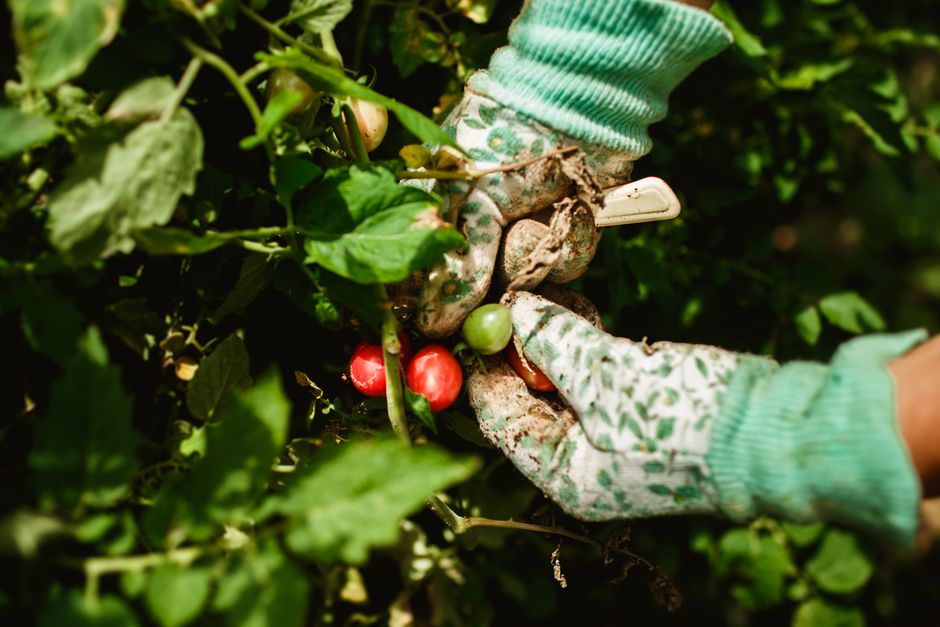
Check your plants daily for any tomatoes that have reached their full color and firmness. Gently twist or cut them from the vine. For fruits that are still green but have reached their full size, you have a few options. Leaving them on the plant for as long as possible is ideal, as they will continue to draw nutrients and ripen naturally, even if slowly. However, if your plant is clearly struggling or you need to clear the space, you can pick them while still green.
Ripening Unripe Tomatoes Indoors
If you have a collection of green tomatoes from your final harvest, you can ripen them indoors off the vine. Place the green tomatoes in a paper bag or a cardboard box with a ripe banana or apple, which releases ethylene gas. This natural gas helps to speed up the ripening process.
Check the bag daily for any mold or rot and remove any affected fruits. Store the bag in a cool, dark place, and in about one to two weeks, your green tomatoes should begin to turn red. This method allows you to enjoy a few more weeks of fresh tomatoes, even after your plants are no longer producing.
Should You Prune Indoor Tomato Plants at Season's End?
Yes, you should perform selective pruning on your indoor tomato plants at the end of the season to help redirect the plant's energy into ripening existing fruits and to remove any diseased or unproductive growth. This is not about encouraging new growth, but about maximizing what is already there.
Begin by removing any yellowing, browning, or dead leaves, especially those at the bottom of the plant. These leaves are no longer photosynthesizing efficiently and can become a haven for pests or diseases. Snip off any new suckers or flower clusters that appear, as these will not have enough time to develop into mature fruit and will only drain the plant's resources. If you notice any signs of disease, such as spots or unusual discoloration on leaves or stems, prune those sections off immediately to prevent further spread. Always wash your hands and sterilize your pruning shears with rubbing alcohol between cuts, especially if you suspect disease, to avoid contamination.
How Do You Clean Your Indoor Grow System After Tomato Harvest?
Thoroughly cleaning and sanitizing your indoor grow system after your tomato harvest is a critical step to prevent pests and diseases from affecting your next crop. A clean slate ensures a healthy start for new plants and extends the life of your equipment.
First, carefully remove the old tomato plants, including their roots. Dispose of them appropriately, rather than composting them if they showed any signs of disease. Next, drain any remaining nutrient solution from your reservoir. Clean the reservoir itself with warm, soapy water, scrubbing away any algae or mineral buildup. For hydroponic systems, dismantle and clean all components like pumps, tubing, net pots, and growing media.
Sanitize all surfaces that came into contact with water or plants. A diluted solution of hydrogen peroxide or a weak bleach solution (1 part bleach to 10 parts water) works well for this. Rinse everything thoroughly with clean water afterward to remove any chemical residue. Ensure all electrical components, like timers and pumps, are disconnected from power and kept completely dry during the cleaning process to prevent electrical hazards. For detailed system setup and maintenance, you might find our guide on Build Your Own DIY DWC Hydroponics System helpful.
Can You Overwinter or Extend an Indoor Tomato Plant's Life?
While most home growers treat indoor tomato plants as annuals, it is possible to attempt to extend an indoor tomato plant's productive life or overwinter it with very specific care, though success varies greatly. Tomatoes are naturally perennial in tropical climates, but indoors, their energy production eventually wanes.
To extend its life, you would need to cut back the plant significantly, leaving only a few main stems. Continue providing consistent light, nutrients, and warmth, but understand that the plant may not produce as vigorously as it did in its prime. You might also consider starting new plants from cuttings taken before the original plant declines, though these will also need proper care to establish. For most indoor growers, the most practical approach is to clean out the old plants and prepare for a fresh start with new seedlings for optimal yield in the next growing cycle.
Final Thoughts
Performing these indoor tomato end-of-season care tasks is a valuable part of successful indoor gardening. By properly harvesting, pruning, and cleaning, you maximize your final yield and ensure a healthy environment for your future plants. Take pride in a season well grown, and explore more MicroVeg guides for your next indoor gardening adventure!
Frequently Asked Questions
Can I keep my indoor tomato plant growing indefinitely?
While indoor tomatoes can live longer than outdoor plants, they generally decline after a productive season, and it's often best to start fresh for optimal yields.
What should I do with green tomatoes at the end of the season?
You can pick green tomatoes and ripen them indoors by placing them in a paper bag with a ripe banana or apple, which releases ethylene gas to encourage ripening.
Is it important to sanitize my grow system after harvesting tomatoes?
Yes, sanitizing your grow system is crucial to eliminate any lingering pests, diseases, or algae, ensuring a clean and healthy environment for your next crop.
Should I fertilize my indoor tomato plant heavily at season's end?
No, reduce or stop heavy fertilization at season's end as the plant is winding down, focusing instead on allowing existing fruits to mature without encouraging new growth.
Explore More Plant Care Guides
 Plant Care
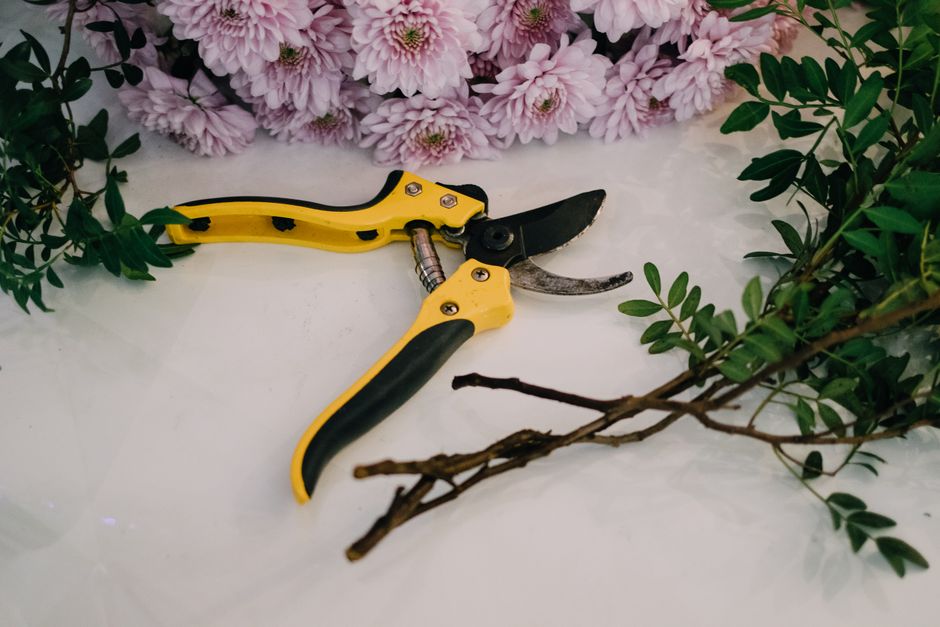
Pruning Chrysanthemums for Longer Indoor Blooms
Discover effective pruning techniques for chrysanthemums to ensure more vibrant and continuous blooms in your indoor garden.
 Plant Care
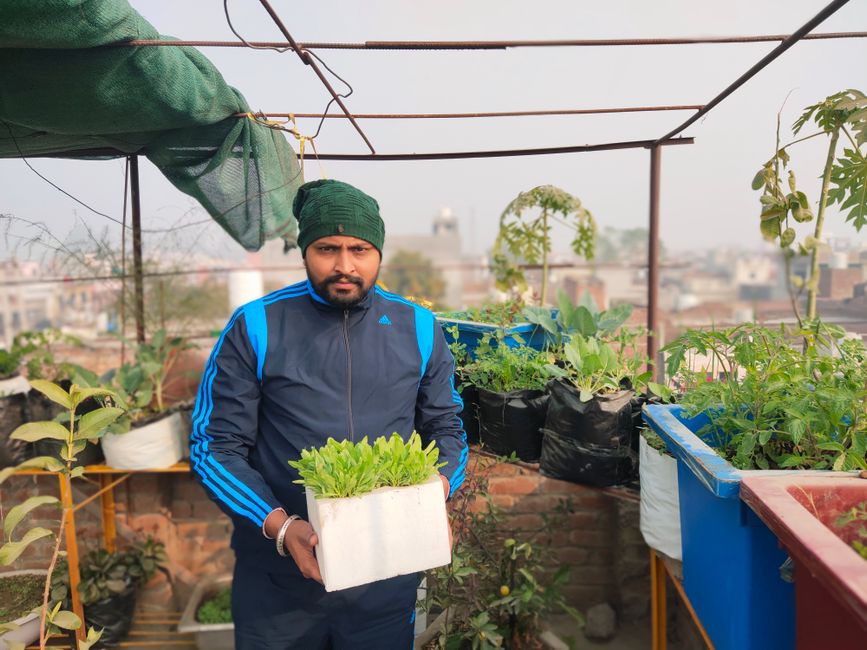
How to Grow Spinach Indoors: Fresh Leaves Year-Round
Learn how to grow fresh spinach indoors all year long, perfect for small spaces and a continuous harvest.
 Plant Care
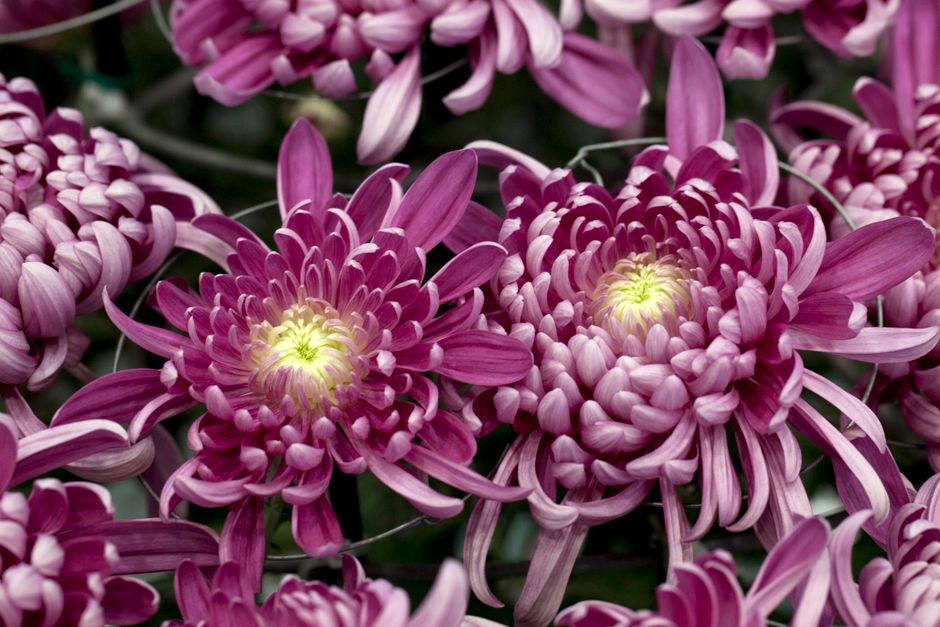
Indoor Chrysanthemum Care: Avoid This Common Mistake
Bringing chrysanthemums indoors for fall decor is popular, but many home growers make a key mistake that causes these vibrant plants to quickly decline.