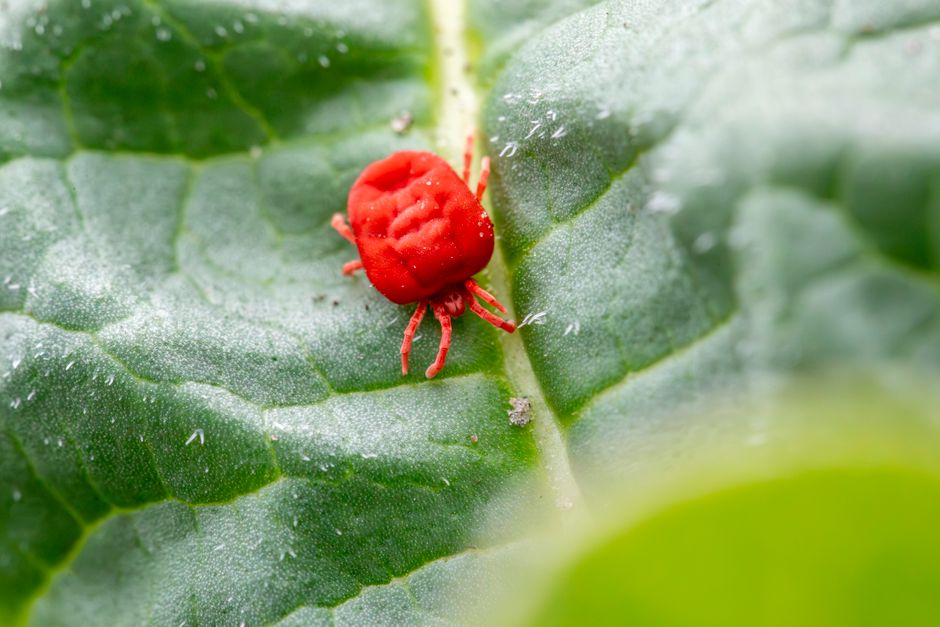
Natural Pest Control for Indoor Plants: Your Easy Guide
Bringing greenery indoors creates a peaceful, fresh environment, but sometimes tiny, unwanted guests crash the party. Dealing with pests on your houseplants can be frustrating, especially in small spaces where an infestation can feel overwhelming. Fortunately, you don't need harsh chemicals to keep your green friends safe. This guide shows you how to use effective natural pest control for indoor plants, helping you maintain a healthy, vibrant indoor garden.
Natural pest control for indoor plants involves using non-toxic methods and organic solutions to prevent, identify, and eliminate common houseplant pests. These methods focus on maintaining plant health, creating an unfavorable environment for pests, and using gentle treatments that are safe for your home, pets, and the environment. It's all about working with nature, not against it, to keep your plants thriving.
What are the Most Common Indoor Plant Pests?
Many common indoor plant pests are tiny insects that feed on plant sap or tissue, weakening your plants and causing visible damage. Knowing who you are up against is the first step in effective natural pest control.
Aphids are small, pear-shaped insects often found in clusters on new growth and the undersides of leaves. They come in various colors like green, black, or yellow, and they suck sap, leading to distorted leaves and stunted growth. They also excrete a sticky substance called honeydew.
Spider mites are minuscule arachnids, often hard to see without a magnifying glass, that create fine webs on plants. They cause tiny yellow or white spots on leaves, and heavy infestations can make leaves look dusty or bronzed before they drop off. They thrive in dry, warm conditions.
Mealybugs are soft-bodied, white, cottony insects that gather in leaf axils and along stems. They also feed on sap and leave behind honeydew, which can lead to sooty mold. Their waxy coating protects them, making them a bit trickier to remove.
Fungus gnats are small, dark, mosquito-like flies that hover around the soil surface of houseplants. While the adult gnats are mostly annoying, their larvae live in the soil and can feed on delicate roots, especially in seedlings. They are a sign of consistently moist soil.
Thrips are slender, winged insects that cause silvery streaks and distorted growth on leaves and flowers. They rasp plant tissue and suck out the contents, leaving behind tiny black dots of their excrement. They can be hard to spot due to their small size and quick movement.
Why Use Natural Pest Control for Your Indoor Plants?
Using natural pest control methods for your indoor plants offers several significant benefits over synthetic chemical pesticides. These methods prioritize the health of your home, your family, your pets, and the plants themselves.
First, natural methods are safer for your household. You avoid introducing potentially harmful chemicals into your living space, which is especially important for homes with children, pets, or individuals with sensitivities. Sprays made from common kitchen ingredients, for instance, pose less risk than synthetic alternatives.
Second, natural solutions are often gentler on your plants. While effective against pests, they are less likely to cause chemical burn or stress to delicate foliage. This helps your plants recover faster and stay vigorous. Harsh chemicals can sometimes damage beneficial microorganisms in the soil too.
Third, natural pest control promotes a healthier overall ecosystem within your indoor garden. By avoiding broad-spectrum pesticides that kill everything, you allow any beneficial insects that might be present to thrive, contributing to a balanced environment. It also encourages you to be more observant and proactive with your plant care.
Finally, these methods are environmentally friendly. They reduce your ecological footprint by avoiding runoff of synthetic chemicals into water systems and contribute to sustainable gardening practices. Many ingredients are readily available and affordable, making them a budget-friendly choice too.
How Can You Naturally Get Rid of Indoor Plant Pests?
Once you have identified a pest problem, several effective natural methods can help you eliminate the invaders and restore your plants' health. The key is consistency and observation.
Your Natural Pest Control Toolkit
Before tackling pests, gather a few simple, often household items that form the foundation of natural pest control. These items are safe, readily available, and effective when used correctly.
- Rubbing Alcohol: Isopropyl alcohol (70%) can be used on a cotton swab to directly target and kill soft-bodied pests like mealybugs, aphids, and spider mites on contact. It quickly evaporates, minimizing harm to the plant.
- Dish Soap (mild, unscented): A small amount of mild liquid dish soap mixed with water creates an insecticidal soap solution. The soap breaks down the pests' protective outer layer, causing dehydration.
- Neem Oil: This natural oil, extracted from the neem tree, acts as an insect repellent and growth disruptor. It's effective against a wide range of pests, including aphids, spider mites, thrips, and whiteflies.
- Water: A strong spray of water can physically dislodge many pests from plant leaves and stems, especially effective for aphids and spider mites.
- Yellow Sticky Traps: These non-toxic traps attract and capture flying insects like fungus gnats and adult whiteflies, helping to monitor and reduce their populations.
Step-by-Step Pest Removal
Follow these steps to effectively remove pests using your natural toolkit. Always test any spray on a small, inconspicuous part of the plant first to ensure it doesn't cause damage.
- Isolate the Plant: As soon as you spot pests, move the affected plant away from your other indoor plants to prevent the infestation from spreading.
- Physical Removal: For larger pests like mealybugs, use a cotton swab dipped in rubbing alcohol to wipe them off directly. For smaller pests or widespread infestations, take the plant to a sink or shower and spray it thoroughly with a strong stream of water. Pay close attention to the undersides of leaves and stem crevices.
- Apply Insecticidal Soap: Mix 1-2 teaspoons of mild, unscented dish soap with 1 liter of water in a spray bottle. Shake well. Thoroughly spray the entire plant, making sure to coat the tops and bottoms of all leaves, stems, and any visible pests. Repeat every 5-7 days for 2-3 weeks to target newly hatched pests.
- Use Neem Oil Spray: If insecticidal soap isn't enough, or for persistent pests like spider mites and thrips, use a neem oil solution. Follow the instructions on your neem oil product for mixing with water and a tiny bit of soap (as an emulsifier). Spray the plant thoroughly, covering all surfaces. Neem oil works best when applied consistently, usually every 7-10 days. Always wash your hands thoroughly after handling plants, especially after applying any pest treatments or before eating produce.
- Address Soil Pests: For fungus gnats, let the top inch or two of soil dry out between waterings. You can also place yellow sticky traps near the soil surface to catch adult gnats. Consider a better seed starting mix if you're having issues with germination and pests.
- Monitor and Repeat: Pests rarely disappear after a single treatment. Continue to inspect your plants daily and reapply treatments as needed until you haven't seen any pests for at least two weeks.
How Can You Prevent Pests in Your Indoor Garden?
Prevention is the best form of pest control. By adopting a few simple habits, you can significantly reduce the chances of an infestation in your small indoor garden. A proactive approach keeps your plants healthy and minimizes the need for reactive treatments.
Regularly inspect your plants. Make it a habit to check the tops and undersides of leaves, stems, and the soil surface every few days, especially when you water. Catching a small problem early makes it much easier to manage. Look for any unusual spots, stickiness, webbing, or tiny moving insects.
Practice good plant hygiene. Remove any dead or yellowing leaves and spent flowers promptly, as decaying plant matter can attract pests. Wipe down dusty leaves with a damp cloth; clean leaves photosynthesize more efficiently and are easier to inspect. A clean indoor growing setup is vital for healthy plants.
Provide proper care for your plants. Healthy, thriving plants are naturally more resistant to pest attacks. Ensure your plants receive adequate light, water, and nutrients. Avoid overwatering, which can lead to fungus gnat problems and root rot. Good air circulation can also deter pests like spider mites and powdery mildew.
Quarantine new plants. Always keep any new plants separate from your existing collection for at least two to three weeks. This isolation period allows you to observe the new plant for any hidden pests before they can spread to your other plants. Inspect it thoroughly before introducing it to your main growing area.
Be careful with soil. When repotting, use fresh, sterile potting mix. Avoid bringing in garden soil from outdoors, as it can contain pest eggs or larvae. If you reuse pots, clean them thoroughly with a dilute bleach solution or hot soapy water before planting.
Final Thoughts
Dealing with indoor plant pests doesn't have to be a battle filled with harsh chemicals. By understanding common invaders, using readily available natural solutions, and focusing on prevention, you can keep your indoor garden thriving and pest-free. Consistent inspection and timely action are your best allies in maintaining healthy plants with natural pest control for indoor plants. Keep exploring MicroVeg for more tips to grow your best garden yet.
Frequently Asked Questions
What is the fastest way to get rid of pests on indoor plants naturally?
The fastest way to naturally remove many indoor plant pests is by physically washing them off with a strong spray of water or by wiping them directly with a cotton swab dipped in rubbing alcohol.
Can dish soap really kill plant pests?
Yes, a dilute solution of mild, unscented dish soap and water can effectively kill soft-bodied pests like aphids and mealybugs by dissolving their protective outer layer, causing dehydration.
How often should I check my plants for pests?
You should aim to inspect your indoor plants for pests every few days or at least once a week, paying close attention to new growth and the undersides of leaves, to catch any issues early.
Is neem oil safe for all indoor plants?
Neem oil is generally safe for most indoor plants when diluted and applied correctly, but it's always wise to test a small area of the plant first to ensure there's no adverse reaction before full application.
Explore More Plant Care Guides
 Plant Care
Pruning Chrysanthemums for Longer Indoor Blooms
Discover effective pruning techniques for chrysanthemums to ensure more vibrant and continuous blooms in your indoor garden.
 Plant Care
How to Grow Spinach Indoors: Fresh Leaves Year-Round
Learn how to grow fresh spinach indoors all year long, perfect for small spaces and a continuous harvest.
 Plant Care
Indoor Chrysanthemum Care: Avoid This Common Mistake
Bringing chrysanthemums indoors for fall decor is popular, but many home growers make a key mistake that causes these vibrant plants to quickly decline.