Pruning Tomato Trusses: Secret to Bigger Indoor Fruit
Commercial greenhouse growers harvest huge, perfect tomatoes all year round. Their success relies on a simple pruning tomato trusses technique that directs plant energy straight into the best fruit. If you grow container tomatoes under grow lights or in compact indoor hydroponic systems, you can use this exact trick to raise your harvest quality.
What Is a Tomato Truss and Why Does It Matter?
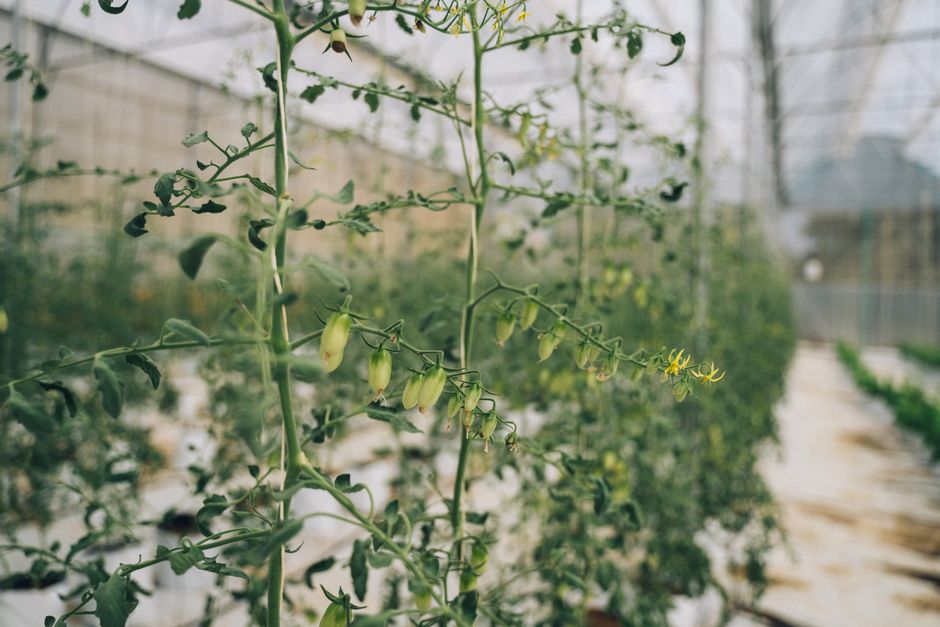
A tomato truss is the small branch where flower clusters form and set fruit. Each truss extends from the main stem, producing a series of blossoms that turn into green tomatoes. On wild plants, every single blossom tries to grow into a mature fruit at once.
In an indoor garden, space, light intensity, and container nutrients are naturally limited. When a single truss carries too many developing fruits, the plant divides its energy thin. The result is a cluster of small, pale tomatoes that take weeks longer to ripen and lack rich flavor.
By actively managing these flowering stems, you dictate how resources flow. Thinning out excess blooms makes sure that every tomato left on the vine gets enough sugars and water to develop thick, juicy flesh.
What Is the King Fruit on a Tomato Plant?
The king fruit is the very first tomato that forms at the base of a flowering truss. It grows from the primary blossom, which opens days before the surrounding buds. Because it gets a head start, this initial fruit draws a massive share of the plant's daily nutrient intake.
Commercial greenhouse workers inspect these clusters early. While a king fruit can grow quite large, it often develops a strange, lumpy shape. More importantly, it stunts the growth of every other tomato behind it on the same stem branch.
Removing this early bloom or young green fruit breaks its dominance over the cluster. Once the king fruit is gone, energy distributes evenly across the remaining blossoms, producing uniform tomatoes that ripen together.
How to Identify the King Bloom on Indoor Stem Clusters
Spotting the king bloom requires a close look at your indoor plants when flowers start to open. Look right where the main stem meets the individual flower cluster branch. The first bloom on that joint is almost always the king flower.
This bloom usually looks noticeably larger and wider than the tiny pointed buds next to it. It may even look double-petaled or slightly misshapen. Pinching it off with clean fingers or snips takes only a second and pays off during harvest.
Step-by-Step Guide to Pruning Tomato Trusses Indoors
Pruning tomato trusses is quick work once you establish a routine. Timing is critical, so check your plants every few days when they begin flowering under your LED lights.
Start by observing the overall health of your plant. Healthy, vigorous vines can support slightly larger clusters than struggling plants. Always use clean precision snips to prevent clean cuts from tearing the stem bark.
Follow these standard guidelines when thinning indoor and container clusters:
- Pinch off the king bloom as soon as it opens to allow secondary buds to catch up in size.
- Wait until tiny green tomatoes form before selecting final fruit counts for each cluster.
- Trim away weak or stunted green fruits at the far tip of the stem that sit far from the light source.
- Limit large beefsteak varieties to four or five fruits per cluster for maximum size.
- Limit medium plum or vine varieties to six or seven fruits per stem cluster.
- Clean your pruning tools with rubbing alcohol between plants to prevent spreading viruses.
When working around water reservoirs, grow tents, or indoor benches, safety should always come first. Keep electrical timers, grow light cords, and power strips elevated off the floor so stray drips from liquid fertilizers or tray drainage cannot cause short circuits.
How Truss Thinning Improves Flavor and Harvest Quality
Flavor in tomatoes comes from balanced sugars and organic acids produced through photosynthesis. Leaves convert light into carbohydrates, which travel down the branches into the swelling fruits. When fewer fruits share those carbohydrates, sugar concentration per bite increases dramatically.
Indoor container plants often struggle with consistent water uptake compared to outdoor garden beds. When a vine holds too many ripening fruits at once, calcium delivery to the bottom of the fruit can drop. If you run into dark soft spots on the base of your crop, learn how to stop tomato blossom end rot in container plants to protect your hard work.
Truss management also improves airflow inside tight grow tents and closet setups. Heavy, crowded clusters trap humidity around the inner stems, creating conditions where mold can settle. Spacing out your fruit keeps air moving freely around every tomato.
Balancing Foliage and Fruit Loads Under LED Grow Lights
Remember that fruit needs healthy leaves above it to feed its growth. Never strip off healthy foliage just to expose green tomatoes to bright light. The leaves do the heavy work of converting light energy into plant food, so keep the canopy intact while trimming fruit numbers on the lower branches.
Common Mistakes to Avoid When Thinning Indoor Clusters
While thinning stems helps yields, taking off too much growth can backfire. Avoid these common missteps when working on your indoor garden:
- Pruning determinate bush varieties too aggressively, which can reduce your total seasonal harvest yield.
- Waiting until tomatoes are half-grown before trimming, which wastes plant energy that was already spent.
- Leaving heavy trusses unsupported, causing the main stem or flower branch to bend and snap under weight.
- Removing healthy leaf branches near fruit clusters instead of focusing on the actual blossom stems.
Indeterminate vining tomatoes grown indoors benefit the most from regular cluster trimming. These plants keep growing upward for months, so maintaining five to six well-balanced trusses along the main vine provides a continuous harvest without stressing the root system.
Final Thoughts
By mastering pruning tomato trusses, you give your indoor plants the exact direction they need to grow dense, sweet, high-quality fruit. Taking off the king bloom and removing weak end-buds focuses every drop of fertilizer and hour of light into a perfect harvest. Explore more MicroVeg guides today to refine your indoor setups, grow light schedules, and smart gardening practices.
Frequently Asked Questions
What happens if you do not prune tomato trusses on indoor plants?
Unpruned trusses produce many small, uneven tomatoes that struggle to ripen fully under artificial lights. Thinning the clusters concentrates resources so the remaining fruit grows larger and sweeter.
Can you prune tomato trusses on cherry tomato varieties?
Yes, cherry tomatoes benefit from light cluster thinning when grown indoors. Removing stunted buds at the ends of the truss gives you fuller, more consistent clusters.
Is king fruit removal safe for hydroponic tomato plants?
Removing the king fruit is completely safe and standard practice in commercial hydroponic systems. It prevents a single large tomato from taking all the nutrients away from the rest of the branch.
What is the best tool for thinning indoor tomato clusters?
Clean, sharp micro-tip pruning snips or precision scissors work best for trimming delicate flower stems. Wipe the blades with rubbing alcohol before moving between plants to stop disease spread.
Explore More Plant Care Guides
 Plant Care
Pruning Chrysanthemums for Longer Indoor Blooms
Discover effective pruning techniques for chrysanthemums to ensure more vibrant and continuous blooms in your indoor garden.
 Plant Care
How to Grow Spinach Indoors: Fresh Leaves Year-Round
Learn how to grow fresh spinach indoors all year long, perfect for small spaces and a continuous harvest.
 Plant Care
Indoor Chrysanthemum Care: Avoid This Common Mistake
Bringing chrysanthemums indoors for fall decor is popular, but many home growers make a key mistake that causes these vibrant plants to quickly decline.