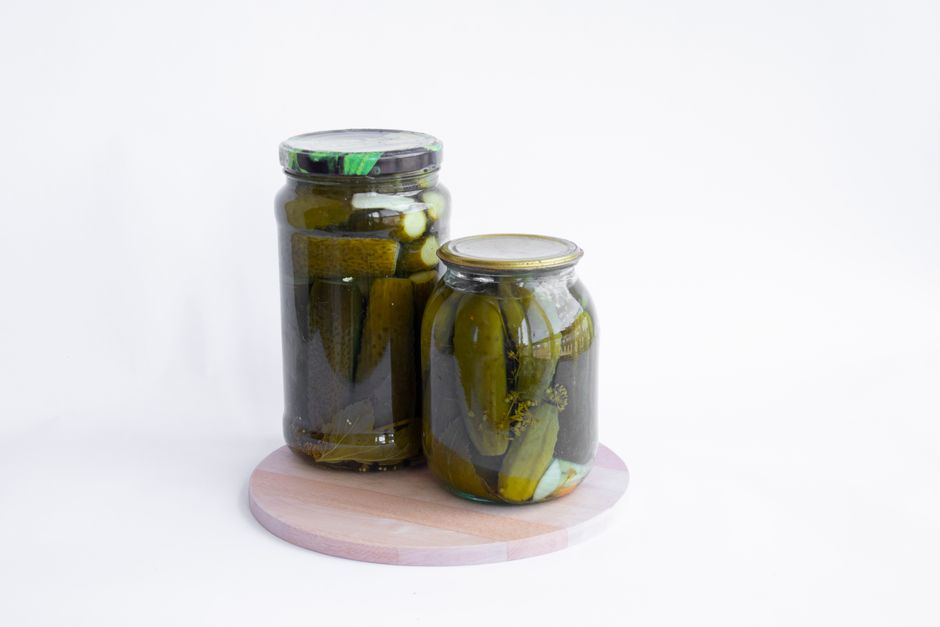
Quick Fridge Pickles: 5-Minute Container Recipe
Growing cucumbers under indoor grow lights or on a sunny balcony is incredibly rewarding, but you rarely harvest a massive bushel all at once. Small-space gardeners often pick two or three fresh cucumbers every few days. Making quick fridge pickles is the perfect way to turn those frequent mini-harvests into a crisp, tangy snack without pulling out heavy canning pots.
You do not need heat, pressure cookers, or hours of free time to preserve your produce. With just five minutes of simple prep, you can transform your homegrown veggies into crunchy dill fridge pickles that last for weeks in your refrigerator.
Why Quick Fridge Pickles Work Great for Small-Space Growers
Traditional canning requires large batches of produce, specialized jars, and boiling water baths to create a vacuum seal. When you grow plants in fabric pots, window boxes, or compact indoor setups, your harvest comes in steady trickle feeds rather than giant waves. Making quick fridge pickles fits this micro-gardening lifestyle perfectly because you can process a single jar at a time.
Because you skip the boiling process, the cucumbers retain their natural crunch and vibrant green color. Heat breaks down pectin in vegetable cell walls, which often leads to soggy pickles when done incorrectly at home. Refrigerator pickling bypasses heat entirely, keeping your cucumber slices crisp and snappy.
If you already enjoy compact vegetable gardening like growing beans indoors or managing indoor salad greens, adding compact bush cucumber varieties to your grow tent or balcony is a natural next step. Compact varieties such as Spacemaster or Bush Champion grow extremely well in small containers and yield perfect pickling fruits.
What You Need for Homemade Fridge Pickles
Making a batch of homemade pickles takes basic kitchen staples that you likely already have in your pantry. You do not need expensive gear or hard-to-find preservatives.
Here is what you will need for one standard quart-sized glass jar:
- Fresh cucumbers: Two or three medium pickling cucumbers, sliced into coins or spears.
- Vinegar base: One cup of distilled white vinegar or apple cider vinegar with five percent acidity.
- Water: One cup of filtered water.
- Salt: One tablespoon of kosher salt or pickling salt. Avoid table salt with added iodine, which darkens brine and makes it cloudy.
- Aromatics and herbs: Three cloves of peeled garlic, two sprigs of fresh dill, half a teaspoon of mustard seeds, and half a teaspoon of whole black peppercorns.
Preparing Produce and Kitchen Equipment
Start by washing your fresh harvest thoroughly under cold running water. Indoor grow setups can accumulate dust, organic debris, or liquid nutrient splash, so clean fruit skin is essential before pickling. Dry the cucumbers completely with a clean kitchen towel.
Clean your glass jar and lid with warm, soapy water and rinse thoroughly. While fridge pickles do not require sterile high-heat processing, clean containers ensure your brine stays clear and fresh. For precise prep work, high-quality blades like those featured in our guide to Japanese gardening tools for small spaces help make clean, uniform cucumber slices that absorb brine evenly.
Step-by-Step Guide to Making Quick Fridge Pickles
This entire process takes only five minutes from start to finish. Once you learn the basic ratio, you can adjust the herbs and spices to match your exact taste preferences.
Follow these quick steps to assemble your jar:
- Prepare the brine: Combine the water, vinegar, salt, and optional sweetener in a measuring cup. Stir vigorously until the salt completely dissolves. Using room-temperature or cold brine helps keep the cucumbers extra firm.
- Layer the aromatics: Place the crushed garlic cloves, fresh dill sprigs, mustard seeds, and black peppercorns at the bottom of your clean glass jar.
- Pack the jar: Pack the cucumber slices tightly into the jar, leaving about half an inch of space at the top. Packing them snugly prevents slices from floating above the liquid.
- Pour the brine: Pour your liquid brine over the cucumbers until they are fully submerged. Ensure all spices remain covered by the brine.
- Seal and refrigerate: Screw the lid on tightly and place the jar directly into your refrigerator.
For food safety, always store your quick fridge pickles in the refrigerator at temperatures below 40 degrees Fahrenheit. Because these pickles are unpasteurized, they are not shelf-stable at room temperature. Keep them chilled at all times to prevent spoilage and maintain food safety.
How to Keep Your Pickles Extra Crunchy Every Time
The biggest challenge when making homemade pickles is avoiding soft or mushy slices. Fortunately, a few simple horticultural and culinary tricks will guarantee maximum crunch every single time you open a jar.
First, always trim the blossom end of the cucumber. The blossom end contains natural enzymes that break down pectin and soften the vegetable while it sits in liquid. Slicing off a thin sixteenth of an inch from the blossom end removes these enzymes instantly.
Second, choose small, firm cucumbers harvested at peak freshness. If you let cucumbers overripe on the vine inside your grow tent, their seeds grow large and the flesh becomes hollow or soft. Harvest pickling cucumbers when they are firm, bright green, and around four to six inches long.
Third, keep your brine cold. Heating vinegar and water dissolves salt faster, but pouring warm brine over raw cucumber slices starts to cook them slightly. Using cold or room-temperature brine ensures the raw cellular structure of the cucumber stays solid and crisp.
Avoiding Common Fridge Pickling Mistakes
Even simple recipes can hit minor snags. Keep these practical tips in mind to get consistent results every batch:
- Using iodized table salt: Table salt contains anti-caking additives that turn your brine cloudy and leave sediment at the bottom of the jar. Stick to pure kosher salt or pickling salt.
- Leaving cucumbers exposed: Any vegetable piece sticking up above the liquid level can discolor or dry out. Make sure your brine covers all plant matter completely.
- Eating them too soon: While you can eat them right away, quick fridge pickles taste best after resting in the fridge for at least twenty-four hours to let the brine fully penetrate the cucumber flesh.
Experimenting with Flavors and Small-Space Herbs
One of the best parts of growing herbs indoors under LED grow lights is having fresh flavor boosters ready at your fingertips. You are not limited to standard dill pickles.
Try adding fresh basil leaves, hot chili peppers, or sliced radish microgreens into your jar for a spicy, herbal twist. Small-space growers can easily raise fresh dill, coriander, and chives in small pot setups next to their main crops. Adjusting garlic levels or adding a pinch of red pepper flakes lets you customize every batch to your personal palate.
Fridge pickles will stay fresh, crunchy, and flavorful in your refrigerator for up to four weeks. Once you finish the cucumber slices, save the left-over brine to pickling small radishes, red onions, or hard-boiled eggs for zero kitchen waste.
Final Thoughts
Making quick fridge pickles is the ultimate way to enjoy your small-space indoor cucumber harvest without spending hours over a hot stove. With simple pantry ingredients and five minutes of prep, you get ultra-crispy, flavorful pickles ready right from your refrigerator. Check out our other indoor growing guides to discover more high-yield crops you can cultivate in small spaces all year long.
Frequently Asked Questions
How long do quick fridge pickles last in the refrigerator?
Quick fridge pickles remain crisp and safe to eat for up to four weeks when kept sealed in the refrigerator. Always keep them submerged in brine and chilled below 40 degrees Fahrenheit.
Can you make fridge pickles without sugar?
Yes, sugar is completely optional in fridge pickle recipes. Omitting sugar yields a sharper, classic sour dill flavor without affecting preservation.
Why are my fridge pickles not crunchy?
Fridge pickles lose crunch if warm brine is poured over cucumbers or if the blossom end of the fruit is not trimmed off. Slicing off the blossom end removes natural enzymes that soften vegetables.
Do you have to boil vinegar for quick fridge pickles?
No, boiling is not necessary for refrigerator pickling because the jars are stored cold rather than shelf-canned. Whisking salt into cold or room-temperature vinegar and water preserves maximum cucumber crunch.
Explore More DIY Setups Guides
 DIY Setups
Build Your Vertical Indoor Garden: Small Space, Big Harvests
Learn how to create a vertical indoor garden and grow more fresh food in even the smallest spaces.
 DIY Setups
Kratky Hydroponics for Beginners: Easy No-Pump Setup
Discover Kratky hydroponics, a simple, passive method for growing fresh plants indoors without pumps or electricity, perfect for beginners.
 DIY Setups
Budget Grow Tent Alternatives: DIY Small Space Solutions
Explore smart, budget-friendly grow tent alternatives for your indoor plants, perfect for small spaces and home growers.