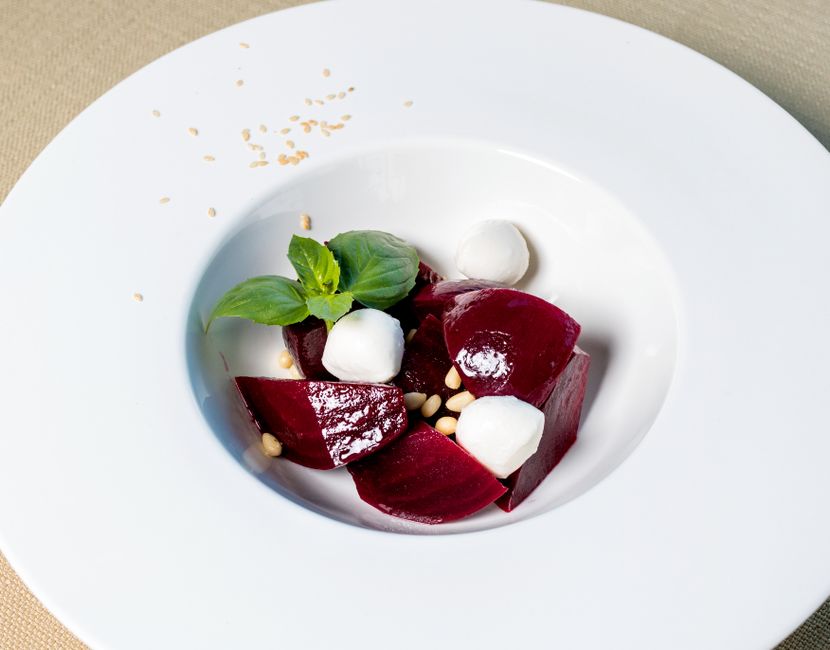
Quick Pickled Beets: Fast, Fresh, and Flavorful
There's something incredibly satisfying about harvesting fresh produce from your indoor garden, even in a small space. And when you're looking for a simple, no-fuss way to preserve that garden goodness, making quick pickled beets is a fantastic option. Quick pickled beets are root vegetables preserved in a vinegar-based brine, ready to eat in a short amount of time without the need for traditional canning methods. This method is perfect for small batches from your thriving indoor plants, bringing a burst of tangy, sweet, and spiced flavor to your table.
Can You Grow Beets Indoors or Hydroponically?
Yes, beets are surprisingly adaptable for indoor and hydroponic growing. They thrive in controlled environments and can yield delicious roots and greens even in limited spaces. While you might not get massive, bushel-sized harvests indoors, even a few successful beet plants can provide enough for a delightful batch of quick pickled beets.
For indoor growing, select smaller, faster-maturing beet varieties like 'Detroit Dark Red' or 'Cylindra'. These varieties perform well in containers or hydroponic systems. Ensure your indoor beets receive at least 12-16 hours of light daily from a good quality LED grow light. Consistent light helps develop both the root and the greens.
If you're growing in containers, choose pots at least 6-8 inches deep to allow for root development. For hydroponic setups, beets can flourish in systems like Deep Water Culture (DWC) or Nutrient Film Technique (NFT). If growing hydroponically, follow the dosage on your nutrient bottle for leafy greens and root vegetables. Regular monitoring of pH and EC levels ensures your plants get what they need. Consider starting with some best plants for beginner hydroponics if you are new to the system.
Remember to keep electrical timers and pumps away from water spills to prevent hazards in your indoor garden. Proper air circulation also helps prevent common indoor plant issues, keeping your beets healthy.
What's the Best Way to Harvest Beets for Pickling?
Harvest your beets when they reach a manageable size for pickling, typically 1-2 inches in diameter for smaller varieties, or when their greens are robust. Smaller beets are often more tender and absorb the pickling brine flavors more readily. You can harvest the entire plant, or practice 'cut and come again' for the greens while allowing the root to continue growing a bit longer.
When harvesting, gently loosen the soil or growing medium around the beet and pull it up by the greens. Be careful not to damage the root. Immediately after harvesting, twist off the greens about an inch above the beet root. This helps prevent the roots from losing moisture and becoming soft. You can also save the tender beet greens for sautéing or adding to salads, just be sure to wash them well before eating.
Wash your harvested beets thoroughly to remove any soil or debris. A vegetable brush can be helpful for this. Once clean, your homegrown beets are ready for the pickling process.
How Do You Make Quick Pickled Beets Without Canning?
Making quick pickled beets is a straightforward process that involves cooking the beets, preparing a spiced brine, and combining them in jars for refrigeration. This method is often called 'refrigerator pickling' because it doesn't require the heat processing of traditional canning, making it ideal for small batches and immediate enjoyment.
Essential Ingredients for Your Brine
The flavor of your quick pickled beets largely comes from the brine. Here's what you will need for a delightful spiced brine:
- Freshly harvested beets (enough to fill a 1-quart jar, usually 3-5 medium-sized beets)
- 1 cup white vinegar or apple cider vinegar (apple cider offers a slightly softer, fruitier note)
- 1 cup water
- 1/2 cup granulated sugar (adjust to your sweetness preference)
- 1 teaspoon pickling salt or sea salt (do not use iodized table salt)
- 1/2 teaspoon whole black peppercorns
- 1/4 teaspoon whole cloves
- 1 bay leaf
- 1/2 teaspoon mustard seeds (optional, but adds a nice tang)
- A few thin slices of onion or garlic cloves (optional, for extra flavor)
Step-by-Step Pickling Process
Follow these steps to transform your indoor beets into a delicious pickled treat:
- **Cook the Beets:** Wash your beets thoroughly. Trim off the root end and the stem end, leaving about an inch of stem attached to prevent 'bleeding' of color. Boil or steam the beets until they are fork-tender. This usually takes 20-40 minutes depending on their size.
- **Cool, Peel, and Slice:** Once cooked, drain the beets and allow them to cool slightly. The skins should slip off easily under cool running water or with a gentle rub. Discard the skins. Slice the peeled beets into 1/4-inch thick rounds, wedges, or cubes, depending on your preference.
- **Prepare the Brine:** In a non-reactive saucepan, combine the vinegar, water, sugar, salt, peppercorns, cloves, bay leaf, and mustard seeds (if using). Bring the mixture to a boil over medium-high heat, stirring until the sugar and salt have fully dissolved. Reduce the heat and simmer for 2-3 minutes to allow the spices to infuse.
- **Pack the Jars:** While the brine simmers, tightly pack your sliced beets into clean glass jars. Add optional onion slices or garlic cloves between the beet layers if desired.
- **Pour and Seal:** Carefully pour the hot brine over the beets in the jars, ensuring they are completely submerged. Tap the jars gently to release any air bubbles. Seal the jars with lids.
- **Cool and Refrigerate:** Allow the jars to cool to room temperature on your counter. Once cool, transfer them to the refrigerator. The quick pickled beets are ready to enjoy in a few hours, but their flavor will deepen and develop after 24-48 hours.
How Long Do Quick Pickled Beets Last?
Quick pickled beets, also known as refrigerator pickles, typically last for several weeks, often up to 2-3 months, when stored properly in the refrigerator. Because they are not processed with traditional canning methods, they rely on the acidity of the vinegar and cold temperatures to prevent spoilage.
Always keep your quick pickled beets in airtight containers in the coldest part of your refrigerator. If you notice any unusual smells, mold, or changes in texture, it's best to discard them. The vibrant color and firm texture of properly stored pickled beets are good indicators of their freshness.
What Are the Best Ways to Enjoy Your Pickled Beets?
Quick pickled beets are incredibly versatile and can elevate a variety of dishes with their tangy, sweet, and spicy flavor. Their beautiful crimson color also adds a visual pop to any plate.
Serve them as a vibrant side dish with roasted meats or grilled vegetables. They are a fantastic addition to a charcuterie or cheese board, pairing wonderfully with creamy cheeses and crusty bread. Layer them onto your favorite sandwiches or burgers for a burst of flavor and a satisfying crunch.
Chop them up and add them to green salads for an extra zing, or mix them into grain bowls for a nutritious and flavorful meal. Some people even enjoy them straight out of the jar as a healthy, tangy snack. Their unique flavor profile, often described as warm and almost Christmassy with the added spices, makes them a distinctive and delightful condiment.
Final Thoughts
Making quick pickled beets from your indoor harvest is a rewarding way to extend the enjoyment of your homegrown produce. It's simple, delicious, and brings a unique flavor to your table. Explore more MicroVeg guides for creative ways to grow and enjoy your indoor garden!
Frequently Asked Questions
Do quick pickled beets need to be canned?
No, quick pickled beets are refrigerator pickles and do not require traditional canning methods or equipment to preserve them.
Can I use small, homegrown beets for pickling?
Absolutely, smaller beets from your indoor or hydroponic garden are perfect for quick pickling, offering tender texture and rich flavor.
How long does it take for quick pickled beets to be ready?
They can be enjoyed within a few hours, but their flavor deepens significantly after 24-48 hours in the refrigerator.
What kind of vinegar is best for pickled beets?
White vinegar or apple cider vinegar are common choices, with apple cider vinegar offering a slightly fruitier, milder taste.
Explore More Plant Care Guides
 Plant Care
Pruning Chrysanthemums for Longer Indoor Blooms
Discover effective pruning techniques for chrysanthemums to ensure more vibrant and continuous blooms in your indoor garden.
 Plant Care
How to Grow Spinach Indoors: Fresh Leaves Year-Round
Learn how to grow fresh spinach indoors all year long, perfect for small spaces and a continuous harvest.
 Plant Care
Indoor Chrysanthemum Care: Avoid This Common Mistake
Bringing chrysanthemums indoors for fall decor is popular, but many home growers make a key mistake that causes these vibrant plants to quickly decline.