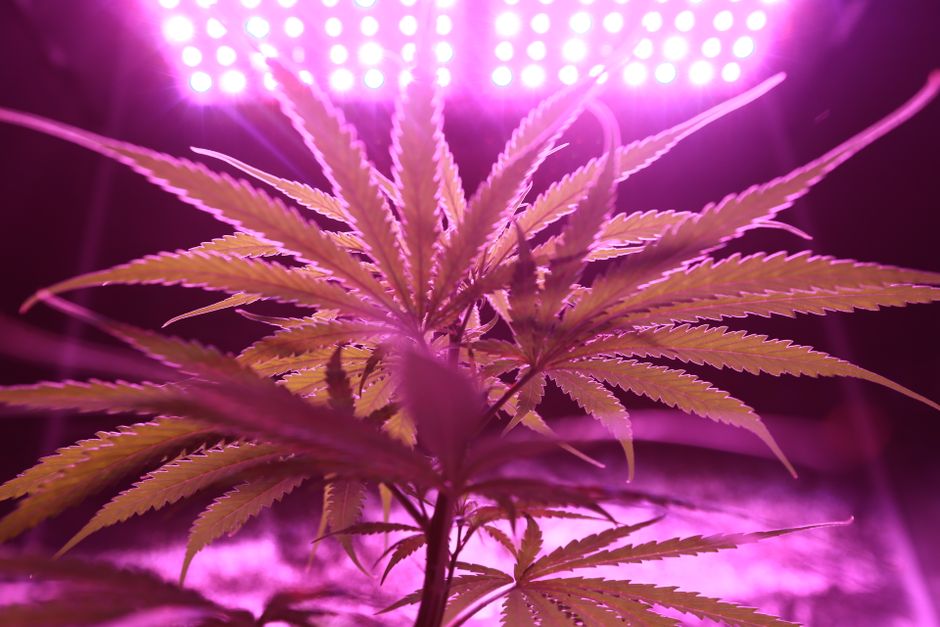
Can You Use Regular LED Lights as Grow Lights?
Setting up an indoor garden often feels expensive, especially when you start shopping for specialized lighting fixtures. You can use regular LED lights as grow lights for leafy greens, microgreens, and starting garden seedlings. Standard household LEDs produce sufficient visible light spectrum for basic vegetative growth, though dedicated grow lights provide higher light intensity for flowering and fruiting crops.
Many beginner indoor gardeners start their journey by repurposing regular household bulbs. It is an affordable way to test the waters without spending big money on high-end equipment. Before you grab spare bulbs from your closet, you need to understand what standard household lights can and cannot do for your crops.
Can You Use Regular LED Lights as Grow Lights for Indoor Plants?
Yes, you can use regular LED lights as grow lights for most vegetative indoor plants, microgreens, and young seedlings. Standard white LED bulbs emit light across the visible spectrum, including the blue and red wavelengths that plants use for photosynthesis. While they lack the targeted intensity of commercial grow fixtures, standard LEDs work remarkably well for basic indoor growing.
Plants do not care whether a light fixture was sold in a garden center or a home improvement store. What matters is the quality and brightness of the light hitting their leaves. White household LEDs contain a blue diode coated with phosphor, which emits broad spectrum light that closely mimics natural daylight. This broad spectrum provides the essential energy plants need to build cells and produce chlorophyll.
If you are growing compact greens in a small space, standard LEDs can deliver great results. They are especially useful if you want to grow leafy crops alongside a simple system like the Kratky Method for Beginners: Simple Step Guide. As long as you position the bulbs close enough, your plants will grow green and steady.
What Is the Difference Between Regular LED Lights and LED Grow Lights?
The main difference between regular LED lights and LED grow lights is light intensity, coverage area, and spectral efficiency. Regular household LEDs are engineered to light a room comfortably for human eyes, while dedicated grow lights are built to maximize photosynthetically active radiation for plant growth.
Human eyes are most sensitive to yellow and green light, so household bulbs focus heavily on those tones. Plants, by contrast, rely heavily on blue light for compact foliage and red light for root development and flowering. Dedicated grow fixtures concentrate their output into the exact wavelengths that fuel plant metabolism without wasting energy on decorative lighting.
Light Intensity and Penetration
Standard household bulbs scatter light in a wide cone to brighten an entire room. This means the actual light intensity drops off quickly just a few inches away from the bulb. Dedicated grow lights use focused lenses or wide diode boards to drive strong, uniform light directly downward onto plant canopies.
Efficiency and Heat Management
Dedicated grow lights feature large aluminum heat sinks that pull heat away from the diodes, allowing them to run at higher power levels without burning out. Standard household bulbs use small, enclosed plastic housings. If you run multiple household bulbs in a tight space for sixteen hours a day, they can get warm, so always make sure your fixtures have adequate air circulation.
Which Plants Grow Well Under Regular LED Bulbs?
Leafy greens, culinary herbs, microgreens, and young vegetable seedlings grow exceptionally well under regular LED bulbs. These plants have low to moderate light requirements and focus their energy on leaf production rather than heavy flowering or fruit set.
Here are the best crops to try with household LEDs:
- Microgreens such as radish, broccoli, and mustard greens
- Loose-leaf lettuce, butterhead varieties, and spinach
- Culinary herbs including basil, mint, parsley, and cilantro
- Seedlings for garden transplants before spring planting
- Small houseplant cuttings and propagating roots
If you are trying to learn how to Grow Herbs on a Windowsill: Easy Beginner Guide and your windows lack direct sun, adding a standard LED desk lamp can supply all the extra light your herbs need.
Crops that produce fruit, such as indoor tomatoes, peppers, and cucumbers, will struggle under ordinary household LEDs. Fruiting plants require very high light intensity to trigger blossoms and ripen fruit. You might get healthy green vines from a standard bulb, but you will see very few flowers and minimal harvest.
How to Choose the Best Regular LED Bulbs for Plants
To choose the best regular LED bulbs for plants, look for daylight or cool white bulbs with a color temperature rating between 5000K and 6500K, paired with high lumen output. These cooler bulbs contain a higher proportion of blue light, which encourages tight, bushy growth and prevents seedlings from stretching.
Avoid soft white or warm white bulbs rated around 2700K as your primary light source. Warm bulbs produce mostly red and yellow tones, which can cause young plants to grow tall, weak, and leggy as they search for blue light. If you must use warm bulbs, mix them evenly with cool daylight bulbs to create a more balanced spectrum.
Standard LED shop light fixtures are another great option. A four-foot LED utility shop light provides wide, even coverage over a seed tray or a row of lettuce heads. Look for shop lights with clear lenses rather than heavily frosted covers, as frosted plastic diffuses and weakens the light before it reaches your plants.
How to Set Up Regular LED Lights for Indoor Growing
To set up regular LED lights for indoor growing, position the bulbs within a few inches of your plant canopy and run them on an automated timer for fourteen to sixteen hours each day. Because regular bulbs have lower output than specialized grow lights, keeping them close to your plants is critical for success.
Follow these practical setup steps for the best results:
- Hang lights from adjustable chains or cords so you can raise them as plants grow
- Place bulbs close to foliage without touching leaves to prevent heat damage
- Plug your light fixtures into a basic mechanical or digital timer for a steady daily schedule
- Group several bulbs close together to increase overall brightness over your growing tray
- Clean dust off bulb surfaces regularly so light output remains strong
Always practice basic electrical safety when building indoor lighting setups. Keep all electrical cords, plug strips, and timers elevated away from water trays and reservoir tanks to prevent shock hazards from accidental spills or leaks.
Watch your plants closely during their first two weeks under standard LEDs. If the stems look long, pale, and spindly, the light is either too far away or not bright enough. Move the fixture closer or add a second bulb. If leaf edges curl downward or look pale and crispy, back the light off an inch or two.
Final Thoughts
Using regular LED lights as grow lights is an easy, budget-friendly way to enjoy fresh indoor greens all year. With proper bulb selection and close positioning, your home garden will flourish without specialized gear. Take a look at our other practical guides on MicroVeg to keep building your indoor growing skills.
Frequently Asked Questions
How many hours should regular LED lights stay on for plants?
Run regular LED lights for 14 to 16 hours daily for indoor greens and seedlings. Plants need a dark rest period of 8 to 10 hours every night to process nutrients and grow normally.
How close should regular LED bulbs be to seedlings?
Position standard LED bulbs about 2 to 4 inches above the top leaves of your seedlings. Because regular household LEDs produce less intense light than grow lights, keeping them close prevents leggy stems.
Can regular LED strip lights grow indoor plants?
Decorative LED strip lights are usually too weak to support healthy plant growth. Standard LED shop light fixtures or screw-in household spotlight bulbs deliver much better light intensity for indoor gardening.
Will warm white LED bulbs work for growing plants?
Warm white bulbs can keep plants alive, but cool daylight bulbs rated around 5000K to 6500K produce better, bushier growth. For best results, use cool white bulbs or mix warm and cool bulbs together.
Explore More Grow Lights Guides
 Grow Lights
LED Grow Light Specs: What Home Growers Need to Know
Understanding LED grow light specs helps you pick the right light for healthy plants and a thriving indoor garden.
 Grow Lights
Set Your LED Grow Light Schedule for Happy Plants
Discover how to set the perfect LED grow light schedule for your indoor plants, ensuring they get just the right amount of light to thrive.
 Grow Lights
Plants Struggling Under Grow Lights? Fix It Fast!
If your indoor plants are struggling under grow lights, learn how to identify common problems and get them thriving again with our expert guide.