Soil vs Hydroponics: Which is Best for Your Indoor Garden?
Thinking about growing plants indoors? You might be wondering about the best way to do it. The big choice often comes down to soil vs hydroponics. Simply put, soil gardening uses a traditional potting mix to support plants and deliver nutrients, while hydroponics grows plants directly in nutrient-rich water without any soil at all. Both methods can help you grow fresh herbs, vegetables, and even flowers right in your home. This guide will walk you through the differences and help you decide which setup is right for your indoor garden.
What is the main difference between soil and hydroponics?
The fundamental difference between soil and hydroponics is the growing medium and how nutrients are delivered to the plant roots. Soil gardening uses a traditional substrate like potting mix, which provides physical support, holds moisture, and naturally contains some nutrients that plants access over time.
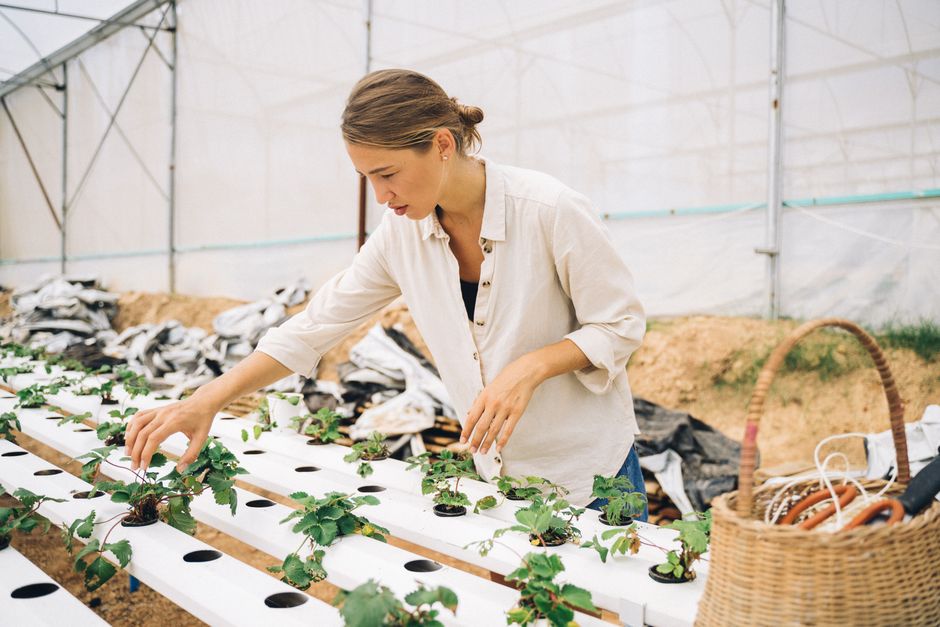
Hydroponics, on the other hand, suspends plant roots directly in a water solution filled with dissolved mineral nutrients, often using inert materials like rockwool or coco coir for initial support. This means hydroponic plants get a direct, controlled nutrient supply, optimizing their access to essential elements for growth.
What are the benefits of growing plants in soil?
Growing plants in soil offers simplicity, familiarity, and a forgiving environment that many home growers appreciate. It's the traditional method for a reason, providing a comfortable starting point for many.
- Familiarity and ease of access: Potting mix and pots are readily available and widely understood.
- Forgiving nature: Soil acts as a buffer, holding moisture and nutrients, giving you more leeway if you miss a watering.
- Natural pest and disease resistance: A healthy soil ecosystem contains beneficial microbes that can protect plants.
- Lower initial cost: Starting with soil often requires less upfront investment in equipment.
- Physical support: Soil naturally anchors larger plants, which is useful for heavier harvests.
Soil also naturally buffers pH fluctuations, meaning you generally don't need to monitor these levels as strictly as you would in a hydroponic system. This can reduce the stress for beginners who are just learning the ropes of indoor gardening.
When to choose soil for your indoor garden
Choose soil if you prefer a traditional approach, want to keep costs lower initially, or if you plan to move plants outdoors later. Soil is also great for plants that need strong physical support, like larger fruiting vegetables. It's perfect for a windowsill herb garden where simplicity is key.
What are the advantages of hydroponic gardening?
Hydroponic gardening often leads to faster plant growth, greater water efficiency, and the ability to grow in smaller spaces without the mess of soil. It's a modern approach that offers distinct benefits for the dedicated indoor grower.
- Faster growth rates: Direct access to oxygen and nutrients means plants grow and mature more quickly.
- Water efficiency: Closed systems recirculate water, using significantly less than traditional soil methods.
- Reduced pest and disease issues: Without soil, many common soil-borne pests and pathogens are eliminated.
- Cleaner environment: No messy dirt to deal with indoors, making it ideal for kitchens and living spaces.
- Precise nutrient control: You can tailor nutrient solutions exactly to your plants' needs for optimal health.
Always remember to keep electrical components like pumps and timers away from water spills to prevent electrical hazards. Safety first in any indoor growing setup.
The precision control over nutrients is a major advantage. You can tailor the nutrient solution precisely to your plants' needs at different growth stages. This level of control optimizes plant health and productivity. Learning to adjust pH in hydroponics is a key skill here. You can set up a basic hydroponic system in surprisingly little space.
What are the challenges of growing in soil vs hydroponics?
Both soil and hydroponic gardening present their own set of challenges, from pest management to system monitoring. Understanding these can help you prepare for your chosen method.
For soil gardening, pests like fungus gnats can be a common nuisance indoors. They are attracted to moist soil. Overwatering is also a frequent issue, which can lead to diseases like root rot if drainage is poor. Soil can also be messy, tracking dirt around your home.
Hydroponics, while clean, requires a different kind of attention. It demands more upfront knowledge about nutrient solutions, pH levels, and water temperature. If your system fails, like a pump stopping, your plants can suffer quickly because they rely entirely on the system for water and nutrients. Algae growth can also be an issue in nutrient reservoirs if light reaches them.
Initial setup costs can sometimes be higher for hydroponic systems compared to buying a bag of soil and a pot. You might need a pump, air stone, reservoir, and specific hydroponic nutrients. However, these costs can be offset by increased yields and faster growth over time.
Which method is easier for indoor home growers?
For absolute beginners, soil gardening is generally considered easier to start due to its forgiving nature and lower initial complexity. It provides a more traditional and less intimidating entry point into indoor growing.
Soil gardening has a gentler learning curve. You can start with minimal investment, a simple pot, some potting mix, and seeds. Basic care like watering when the top inch of soil is dry is easy to learn. Plants in soil are also more resilient to minor mistakes.
Hydroponics, while not difficult once you understand the basics, does require more attention to detail. You'll need to learn about nutrient mixing, pH testing, and reservoir maintenance. It's a more active system that rewards consistent monitoring.
However, once you get the hang of hydroponics, many growers find it just as easy, if not easier, than soil in terms of routine. The tasks are different but become second nature. It truly depends on your comfort level with technology and your willingness to learn new concepts.
If you're looking for a hands-off approach, soil might be your first choice. If you enjoy precision and seeing rapid growth, hydroponics could be more rewarding for you in the long run.
Final Thoughts
Choosing between soil vs hydroponics for your indoor garden depends on your priorities, experience level, and how much involvement you want with your plants. Both methods offer unique benefits and challenges. There's no single "best" method, only the best one for you.
Whether you choose the traditional comfort of soil or the innovative efficiency of hydroponics, the joy of growing fresh food indoors is truly rewarding. Explore more MicroVeg guides to help your indoor garden thrive.
Frequently Asked Questions
Can I switch a plant from soil to hydroponics?
Yes, it is possible to transition a plant from soil to hydroponics, but it requires careful cleaning of the roots and can be stressful for the plant. It's often easier to start plants from seed or cuttings directly in a hydroponic system.
Do hydroponic plants grow faster than soil plants?
Generally, hydroponic plants tend to grow faster and produce higher yields due to direct access to nutrients and oxygen. However, optimal conditions are required for this accelerated growth.
Is hydroponics more expensive to start than soil gardening?
Initial setup costs for hydroponics can be higher due to specialized equipment like pumps, reservoirs, and nutrients. Soil gardening typically has a lower entry cost with just pots and potting mix.
What plants are best for hydroponics beginners?
Leafy greens like lettuce, spinach, and kale, as well as many herbs like basil and mint, are excellent choices for hydroponic beginners because they grow quickly and are relatively forgiving.
Explore More Hydroponics Guides
 Hydroponics
What to Grow in Hydroponics for Beginners
Starting your hydroponic journey? Learn which plants are easiest, fastest, and most rewarding for beginners to grow at home.
 Hydroponics
Mixing Hydroponic Nutrients: Your Guide to Happy Plants
Discover how to properly mix hydroponic nutrients to feed your indoor plants for optimal growth and abundant harvests.
 Hydroponics
How to Start Seeds for Hydroponics: A Beginner's Guide
Discover the easy way to start seeds for your indoor hydroponic garden and enjoy fresh produce year-round.