How to Start Your Easy Windowsill Herb Garden
How to Start Your Easy Windowsill Herb Garden
A windowsill herb garden is a simple and rewarding way to bring fresh flavors into your home, even if you have limited space. By utilizing the natural light from your window, you can cultivate a variety of herbs right in your kitchen, making cooking more enjoyable and your small space feel greener. This guide will walk you through everything you need to know to get your own windowsill herb garden thriving.
Growing herbs on a windowsill is perfect for home growers who want to enjoy fresh ingredients without needing a large outdoor plot or complex setup. It’s a budget-friendly and practical approach to gardening that fits beautifully into apartments, small kitchens, or any sunny spot.
Why Choose a Windowsill for Your Herb Garden?
Windowsills offer an ideal spot for a herb garden because they provide consistent natural light and convenient access. Most herbs thrive with plenty of sunlight, which many windowsills naturally provide, especially those facing south, east, or west.
Beyond light, a windowsill garden keeps your herbs right where you need them: in the kitchen. This means fresh basil for your pasta, crisp mint for your tea, or fragrant parsley for your garnishes are always just a snip away. It’s also an excellent way to add a touch of living greenery to your home, brightening up your space without taking up valuable floor area.
What Herbs Grow Best on a Windowsill?
Herbs that grow best on a windowsill are those that enjoy plenty of sunlight and have a compact growth habit, making them suitable for smaller pots. Some of the easiest and most popular choices include basil, mint, parsley, chives, thyme, and oregano.
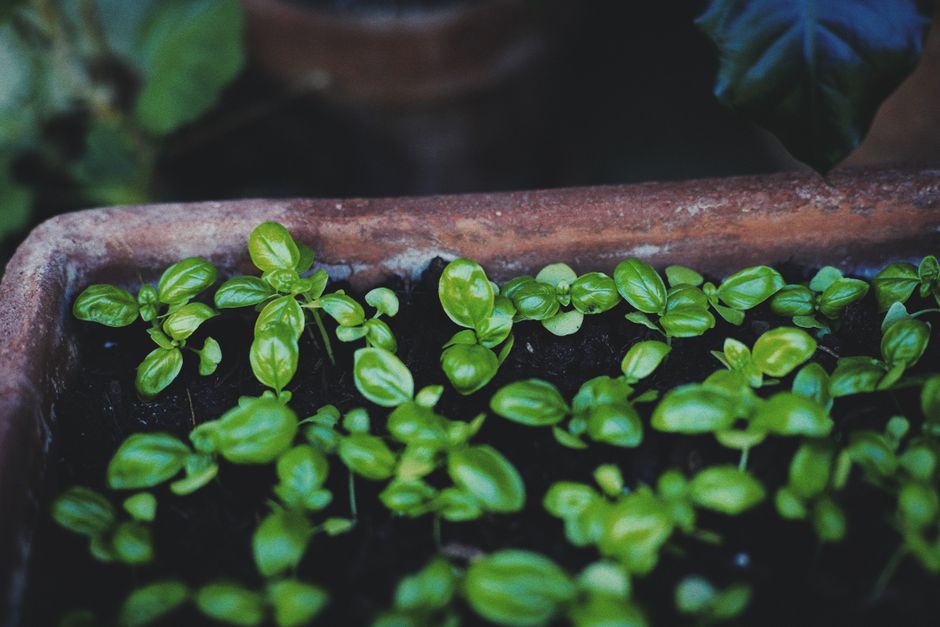
- Basil: A sun-lover that grows quickly and offers a distinctive aroma. Keep it pinched back to encourage bushier growth.
- Mint: Known for its vigorous growth and refreshing scent. Mint loves moisture, but can spread aggressively, so growing it in its own pot is a good idea. For tips on expanding your mint collection, check out our guide on Propagate Mint Indoors: Grow New Plants Easily.
- Parsley: Both flat-leaf and curly varieties do well, preferring consistent moisture and bright light.
- Chives: These oniony greens are very forgiving and regrow quickly after harvesting.
- Thyme & Oregano: Hardy Mediterranean herbs that prefer drier soil and lots of sun, perfect for a warm windowsill.
- Cilantro: While it can bolt (go to seed) quickly in heat, with proper care and regular harvesting, cilantro can provide fresh leaves. Learn more in our guide Grow Cilantro Indoors: Your Easy Guide to Fresh Harvests.
Sunlight Needs for Windowsill Herbs
Most herbs need at least 4-6 hours of direct sunlight daily to truly thrive. A south-facing windowsill is often ideal, providing the most intense and prolonged light exposure throughout the day.
East-facing windows receive morning sun, which is gentler and can be great for herbs that prefer slightly less intense light. West-facing windows get strong afternoon sun, which can sometimes be too hot in summer, but is generally excellent. North-facing windows typically offer indirect light, which might be enough for some low-light plants, but generally isn't enough for most sun-loving herbs without supplemental lighting.
If your windowsill gets less than optimal light, consider rotating your pots every few days to ensure all sides of the plant receive light. This helps prevent lopsided growth.
What Supplies Do You Need to Get Started?
To begin your windowsill herb garden, you’ll need a few basic supplies: pots with drainage, a good quality potting mix, seeds or starter plants, and a watering can or spray bottle. These items are readily available and often inexpensive.
- Pots: Choose containers with drainage holes to prevent root rot. Terra cotta pots are popular because they allow soil to breathe, but plastic or ceramic pots work too. Size matters; small herbs can start in 4-6 inch pots, but may need larger ones as they grow.
- Potting Mix: Use a well-draining indoor potting mix. Avoid garden soil, which can be too heavy and contain pests.
- Seeds or Starter Plants: Seeds are more economical but take longer to produce. Starter plants give you an instant garden.
- Watering Can or Spray Bottle: Essential for controlled watering.
- Drip Trays: Place these under your pots to catch excess water and protect your windowsill from moisture damage. Always use drip trays to prevent water from reaching electrical outlets or appliances nearby.
- Small Hand Tools: A small trowel or cultivator can be helpful for planting and aerating the soil.
How to Plant and Care for Your Windowsill Herbs
Planting your windowsill herbs is a straightforward process, and with consistent care, they will provide you with fresh harvests for weeks or months. Pay attention to watering, light, and regular harvesting to keep them healthy.
Planting Your Herbs
If starting from seeds, fill your pots with potting mix, leaving about an inch of space from the rim. Follow the seed packet instructions for planting depth and spacing. Gently water the soil after planting. If using starter plants, carefully remove them from their nursery pots, loosen any circling roots, and plant them at the same depth they were previously growing.
Watering Your Herbs
The key to healthy herbs is consistent but not excessive watering. Check the soil moisture every day by sticking your finger about an inch deep. If it feels dry, it’s time to water. Water until you see a little bit of water drain from the bottom of the pot into the drip tray, then empty the tray. Overwatering is a common mistake that can lead to root problems.
Feeding Your Herbs
Most potting mixes come with some nutrients, so your herbs might not need feeding right away. If your plants look pale or growth slows after a few months, you can use a diluted liquid fertilizer formulated for herbs. Always follow the dosage instructions on the nutrient bottle to avoid over-fertilizing.
Harvesting Your Herbs
Regular harvesting encourages your herbs to produce more foliage. For leafy herbs like basil and parsley, snip off the top sets of leaves, just above a node (where new leaves emerge). For chives, cut them back a few inches from the soil. Never remove more than one-third of the plant at once to ensure it has enough leaves for photosynthesis and continued growth.
Pest Control
Indoor herbs can sometimes attract common houseplant pests like aphids or spider mites. Inspect your plants regularly, especially the undersides of leaves. If you spot pests, you can often remove them by wiping the leaves with a damp cloth or spraying them gently with a stream of water. For persistent issues, a mild insecticidal soap can be used, following product directions carefully.
Final Thoughts
Starting a windowsill herb garden is a wonderfully rewarding way to bring fresh flavors and greenery into your home, no matter how small your space. With a little care and attention, you’ll enjoy delicious, homegrown herbs year-round. Ready to grow more? Explore our other MicroVeg guides for more small-space gardening inspiration!
Frequently Asked Questions
How much light do windowsill herbs need?
Most windowsill herbs require at least 4-6 hours of direct sunlight per day. South, east, or west-facing windows are typically best for providing adequate light.
Can I grow herbs on a north-facing windowsill?
A north-facing windowsill usually provides indirect light, which is often not enough for most sun-loving herbs to thrive. Some herbs might survive, but growth will likely be slow and leggy.
How often should I water my windowsill herbs?
You should water your windowsill herbs when the top inch of soil feels dry to the touch. This often means watering every few days, but it can vary based on the herb, pot size, and indoor conditions.
What are the easiest herbs to grow on a windowsill?
Some of the easiest herbs to grow on a windowsill include basil, mint, parsley, chives, thyme, and oregano, as they adapt well to indoor conditions and regular harvesting.
Explore More Plant Care Guides
 Plant Care
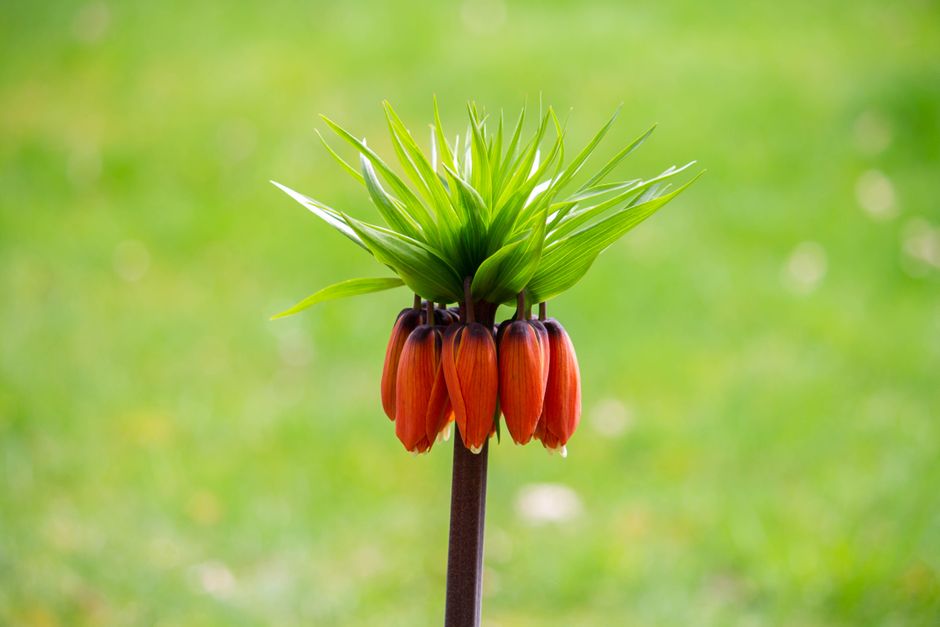
Crown Imperial Indoors: Can This Showstopper Thrive?
Learn if the magnificent Crown Imperial can truly thrive in your indoor container garden or on your balcony, and what challenges you might face.
 Plant Care
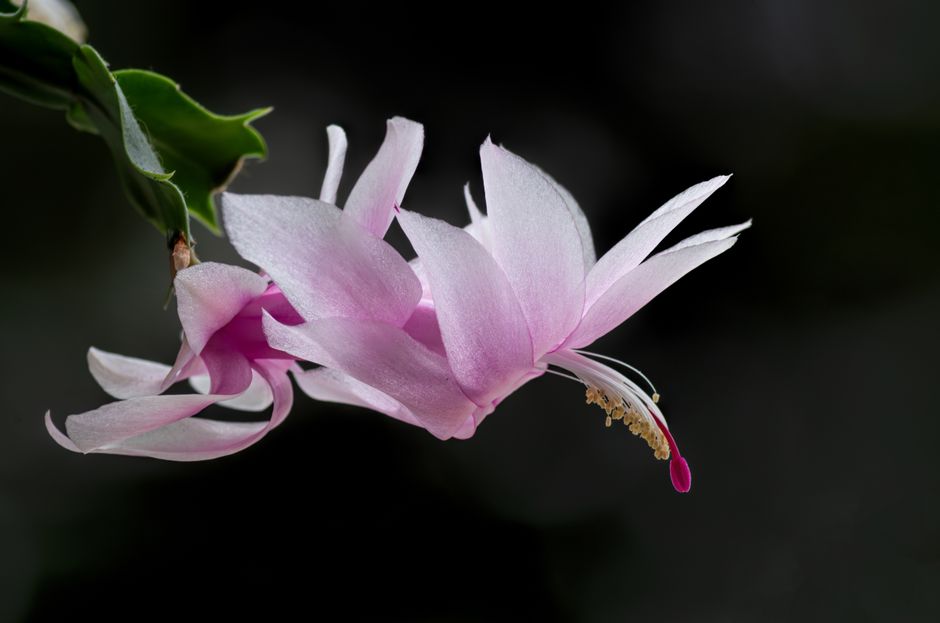
Christmas Cactus Bloom: 3 Secrets for Indoor Growers
Learn the simple, practical secrets to make your Christmas cactus bloom beautifully indoors, turning your home into a festive display.
 Plant Care
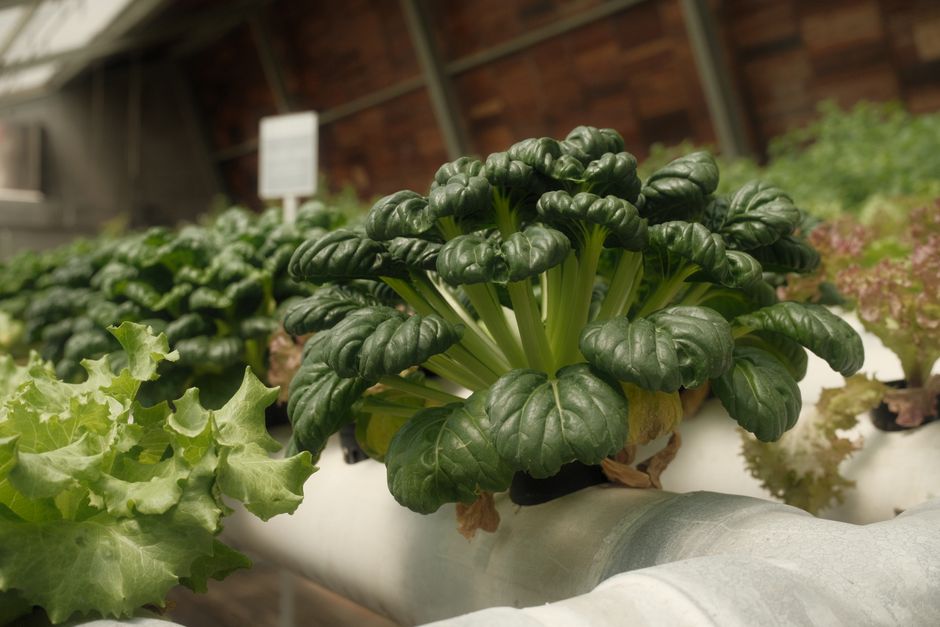
Prevent Algae in Hydroponics: Your Guide to Clean Systems
Discover simple, effective strategies to prevent algae in hydroponics and keep your indoor gardening system clean and your plants thriving.