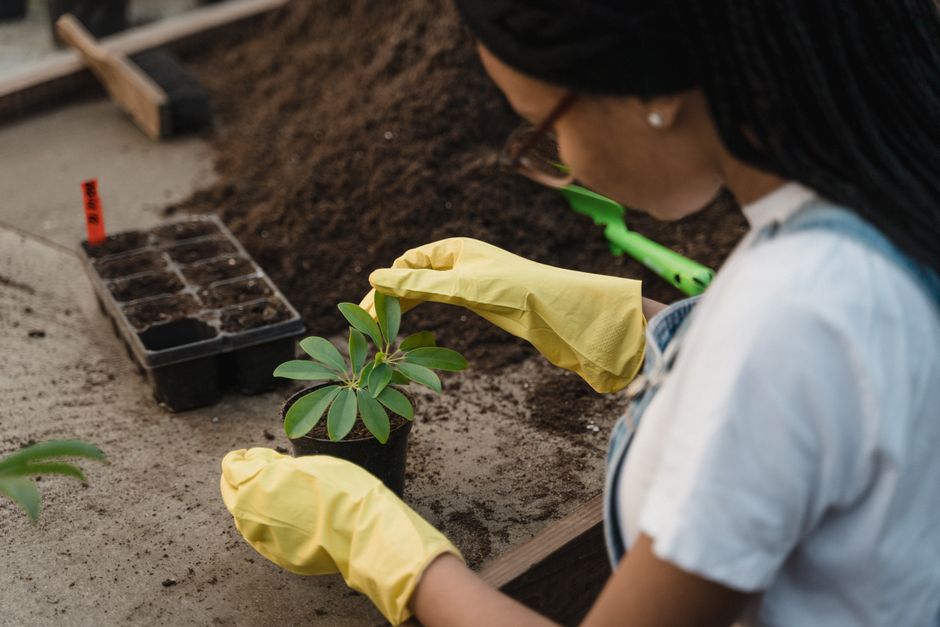
When to Transplant Seedlings for Optimal Growth
Starting seeds indoors is a rewarding step for any home grower, but knowing when to transplant seedlings to their next pot or system is just as crucial for their success. Transplanting, also known as potting up, is the process of moving a young plant from its initial germination container into a larger pot or its final growing environment. Getting the timing right helps prevent stress, encourages strong root development, and ensures your plants continue to thrive. This guide will walk you through the key signs your seedlings are ready for their new home.
What Are the Key Signs Seedlings Are Ready to Transplant?
Seedlings show several clear signs they are ready for transplanting, primarily the development of true leaves and a healthy root system. The goal is to move them before they become root-bound or too crowded, which can stunt their growth.
- True Leaves Appearance: The most reliable indicator is the emergence of their first set of "true leaves." These are the leaves that look like miniature versions of the mature plant's leaves, unlike the initial round or oval "cotyledons" which are embryonic leaves used for initial energy.
- Size and Sturdiness: Your seedlings should also be at least a few inches tall and sturdy enough to handle gently. Overly tall or leggy seedlings might be ready, but address the cause of legginess (usually insufficient light) immediately.
- Root Development: Carefully check the drainage holes of your seed starting tray. If you see roots starting to peek out, it's a strong signal that the plant has filled its current container and needs more space.
Why Is Timing So Important When Potting Up Seedlings?
The timing of when to transplant seedlings is critical because moving them at the right moment minimizes stress and promotes continuous, healthy growth. Waiting too long can lead to several problems, while transplanting too early can also be detrimental.
If seedlings stay in small cells too long, their roots can become a tangled, dense mass, making it harder for them to absorb water and nutrients. This condition, called being "root bound," can stunt growth and even kill the plant. Tiny seed-starting mixes often don't contain many nutrients. Once your seedlings have developed true leaves, they need more food than their cotyledons can provide or their tiny root system can access from a depleted medium. Moving them to a larger pot with fresh, nutrient-rich soil or a suitable hydroponic medium ensures they continue to get what they need.
Seedlings are delicate. Moving them causes a temporary stress called transplant shock. By moving them when they are strong enough (with true leaves) but not yet stressed from being root-bound, you give them the best chance to recover quickly and adjust to their new environment.
What Happens If You Transplant Too Early or Too Late?
Transplanting too early can overwhelm a fragile seedling, as its root system might not be developed enough to handle the move or the larger volume of water in a bigger pot. This can lead to damping off or simply a failure to thrive. Transplanting too late, on the other hand, means the seedling has already experienced stress from crowding or being root-bound. This can result in stunted growth, delayed fruiting, or a generally weaker plant. The sweet spot is when they are robust enough to handle the move, but haven't yet faced significant stress in their current container.
How to Prepare Your Seedlings and New Pots for Transplant?
Preparing both your seedlings and their new homes properly helps ensure a smooth transition and reduces transplant shock. This proactive approach sets your plants up for success.
For most seedlings, moving from a small cell to a 3-4 inch pot is a good next step. Don't go too big too fast, as a very large pot can hold too much moisture for a small root system, leading to rot. Whether you're moving to soil or a hydroponic system, choose a fresh, well-draining medium. For soil, a good quality seed-starting mix or potting soil works well. If you're going hydroponic, ensure your chosen medium is appropriate for your system. You can learn more about options in our Choosing Your Hydroponic Growing Medium: A Beginner's Guide.
Water your seedlings thoroughly a few hours before transplanting. Moist soil helps the root ball stay intact and makes it easier to remove the seedling from its tray without damage. Fill the new pots with your chosen medium. Make a small hole in the center, large enough to accommodate the seedling's root ball. Always handle seedlings by their leaves, not their stems. Stems are easily bruised or broken, which can be fatal. Leaves can recover from minor damage.
What Are Common Mistakes to Avoid When Transplanting Seedlings?
Avoiding common pitfalls during transplanting can save you a lot of heartache and ensure your plants continue their healthy development. Even experienced growers can make these mistakes if not careful.
- Not Watering Beforehand: Dry soil makes it hard to remove the seedling without damaging roots. Always water first.
- Rough Handling: Tugging on stems or tearing roots can cause significant stress. Be gentle and use a tool if needed to loosen the soil around the root ball.
- Planting Too Deep or Too Shallow: Most seedlings should be planted at roughly the same depth they were in their original container. Some plants, like tomatoes, can benefit from being planted slightly deeper to encourage more root growth along the stem. Always check specific plant needs.
- Overwatering After Transplant: While initial watering is good, immediately drenching a newly transplanted seedling can suffocate its roots. Water gently and then allow the top layer of soil to dry slightly before watering again.
- Neglecting Light After Transplant: Seedlings need consistent, adequate light after transplanting to recover and grow. Ensure your LED Grow Light Distance: Perfect Placement for Healthy Plants is correct for their new, slightly larger size and vigorous growth. Also, remember to keep electrical timers and pumps away from water spills to ensure safety in your indoor garden.
- Ignoring Signs of Stress: Wilting or yellowing leaves after transplant can be normal for a day or two (transplant shock), but prolonged stress indicates a problem with watering, light, or nutrients. Observe your plants closely.
How Do You Know If Your Transplanted Seedlings Are Thriving?
After successfully moving your plants, knowing the signs of a thriving transplanted seedling helps you confirm they've settled in and are ready to grow. Look for these positive indicators in the days and weeks following the move.
The most obvious sign of success is new leaf development. If your seedling starts putting out new true leaves, it's a strong indication it has recovered from the transplant shock and is actively growing. Healthy seedlings will stand tall and strong, not limp or wilting. A sturdy stem shows good internal water pressure and cell structure. The leaves should be a healthy, vibrant green color, free from yellowing, browning, or spots. This indicates good nutrient uptake and photosynthesis. After a few weeks, if you gently lift the pot and see new white roots starting to emerge from the drainage holes, it means the seedling is happily filling its new space. This is a sign it's growing vigorously and will eventually need another pot if it's not in its final home.
Final Thoughts
Knowing exactly when to transplant seedlings is a skill that comes with practice, but by paying attention to your plants' true leaves and root development, you'll master this crucial step. Getting the timing right ensures stronger, healthier plants from the start, setting the stage for a bountiful indoor garden. Keep exploring our MicroVeg guides for more tips on growing smart in small spaces!
Frequently Asked Questions
What are cotyledons?
Cotyledons are the first leaves that emerge from a seed, often round or oval, and they provide initial energy for the seedling before true leaves develop.
Can I transplant seedlings directly into a large final pot?
It's generally not recommended for most plants, as a very large pot can hold too much moisture for a small root system, increasing the risk of rot and hindering growth.
How long does transplant shock last?
Transplant shock usually lasts a few days, characterized by temporary wilting or slowed growth. If it persists longer than a week, check your watering, light, and nutrient conditions.
What's the ideal temperature for newly transplanted seedlings?
Most newly transplanted seedlings prefer consistent temperatures between 65-75°F (18-24°C) with good air circulation to recover and grow well.
Explore More Plant Care Guides
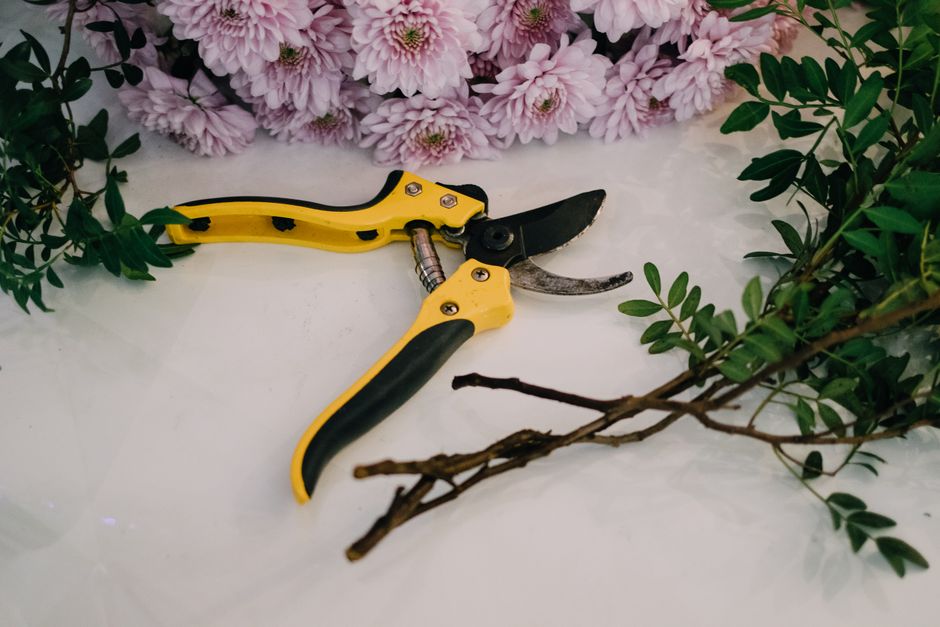 Plant Care
Pruning Chrysanthemums for Longer Indoor Blooms
Discover effective pruning techniques for chrysanthemums to ensure more vibrant and continuous blooms in your indoor garden.
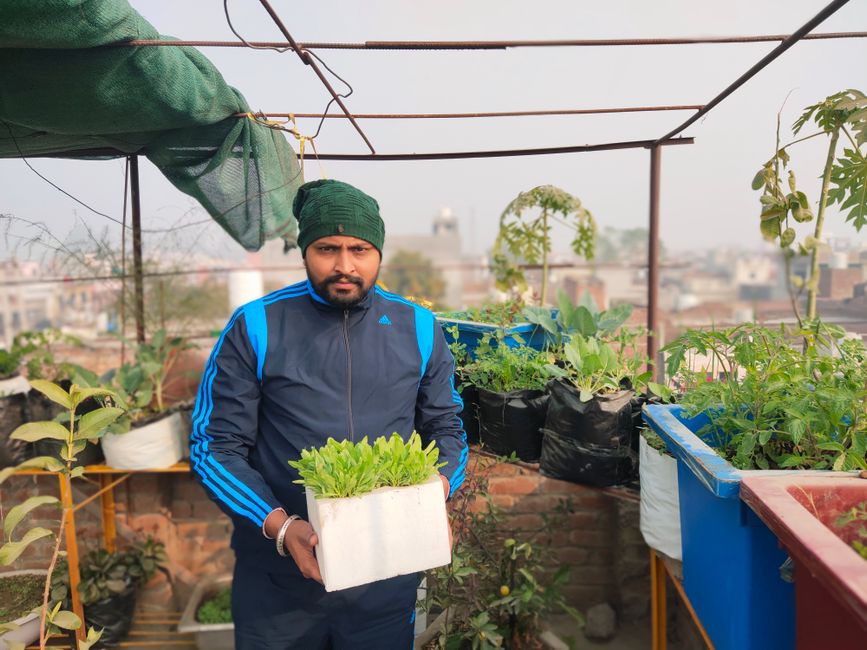 Plant Care
How to Grow Spinach Indoors: Fresh Leaves Year-Round
Learn how to grow fresh spinach indoors all year long, perfect for small spaces and a continuous harvest.
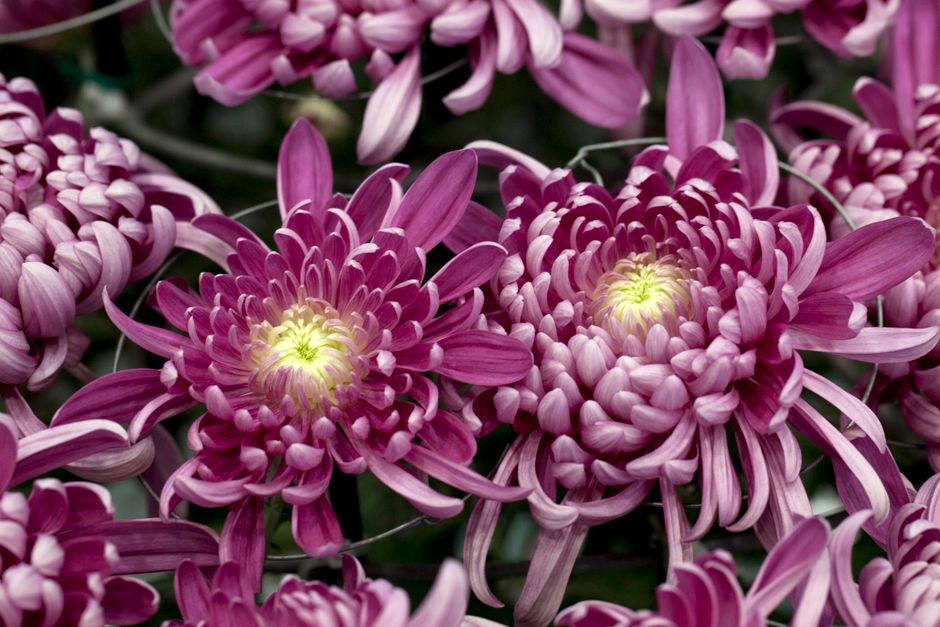 Plant Care
Indoor Chrysanthemum Care: Avoid This Common Mistake
Bringing chrysanthemums indoors for fall decor is popular, but many home growers make a key mistake that causes these vibrant plants to quickly decline.