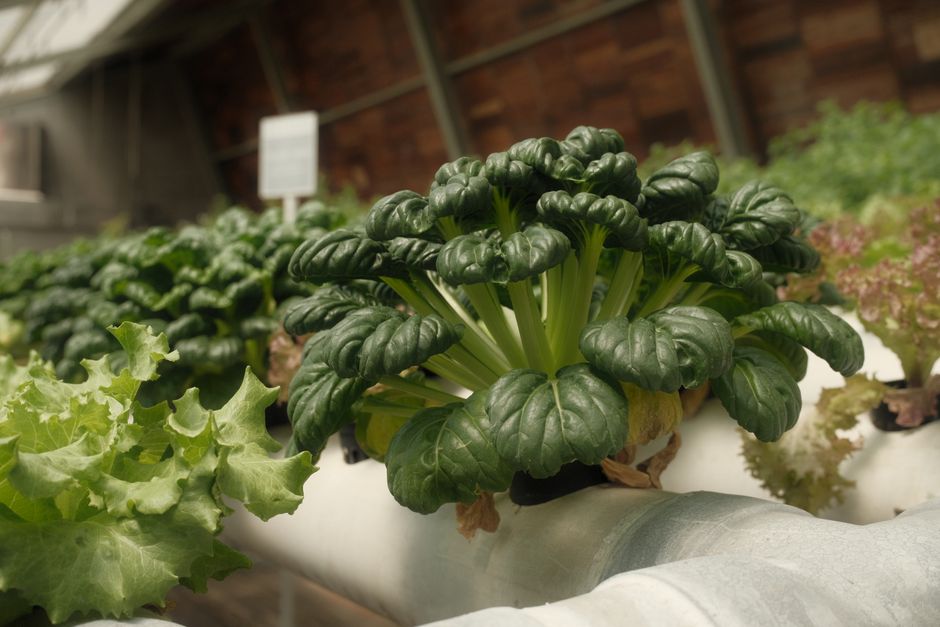
Why Are Your Hydroponic Plants Wilting? Fix It Fast!
Seeing your once-vibrant hydroponic plants start to droop and lose their stiffness can be alarming. When your hydroponic plants are wilting, it means they are losing turgor pressure, often due to a lack of water reaching their cells, even though they are grown in water. This common problem signals underlying stress and requires quick investigation to save your harvest. Thankfully, most causes of wilting are fixable with a little observation and adjustment.
What Causes Hydroponic Plants to Wilt?
Hydroponic plants wilt when they cannot absorb or transport enough water to maintain cellular rigidity, a problem that can stem from various issues within the root zone, nutrient solution, or environment. Unlike soil-grown plants, wilting in hydroponics usually isn't about a lack of water in the system, but rather an inability for the plant to take that water up. This drooping is a general sign of stress, indicating something in their growing conditions is out of balance. Common culprits include problems with roots, imbalanced nutrients, incorrect pH levels, or unsuitable temperatures and humidity.
How Do Root Problems Lead to Wilting in Hydroponics?
Root problems are a primary cause of wilting in hydroponic plants because unhealthy roots cannot effectively absorb water and nutrients. In a hydroponic system, roots need plenty of dissolved oxygen to function properly and take up water and minerals. If they're submerged in stagnant, low-oxygen water, they can suffocate and begin to die off, essentially drowning despite being in water. This lack of oxygen also creates an ideal environment for harmful anaerobic pathogens to thrive, leading to conditions like root rot, where beneficial microbes are replaced by destructive ones that attack the root system.
When roots are damaged or diseased, they become inefficient at their job, unable to draw sufficient moisture to the rest of the plant. They might appear brown, slimy, or have a foul odor, and the plant above will show signs of distress, including wilting. Keeping your nutrient solution aerated is key to preventing this issue. Ensure your air pump and air stone are working correctly and that your water reservoir is clean and dark to prevent algae growth. For more detailed help on root issues, especially if you suspect disease, check out our guide on Fixing Indoor Plant Root Rot.
Is Your Hydroponic System's pH or Nutrients Causing Wilting?
An incorrect pH level or nutrient imbalance can cause your hydroponic plants to wilt by making essential elements unavailable for absorption, even if they are present in the solution. Each plant type has an ideal pH range for nutrient uptake. If your solution's pH is too high or too low, certain nutrients will 'lock out,' meaning the roots cannot take them in. This effectively starves the plant, leading to wilting and other deficiency symptoms.
Similarly, nutrient deficiencies or even excesses can contribute to wilting. Too little of a crucial element, like nitrogen or potassium, can weaken the plant's structure and its ability to transport water. Over-fertilization, on the other hand, can create a 'salt burn' effect, drawing moisture out of the roots rather than allowing it to be absorbed. Regularly test your solution's pH and nutrient concentration. Always handle nutrient solutions and pH adjusters with care. Wear gloves and eye protection, and keep them out of reach of children and pets.
What Environmental Factors Make Hydroponic Plants Wilt?
Environmental factors such as extreme temperatures, low humidity, or excessive light can stress hydroponic plants, leading to wilting as they struggle to regulate moisture. Plants are sensitive to their surroundings and thrive within specific ranges. If the grow room temperature is too high, plants may transpire (lose water through leaves) faster than their roots can absorb it, causing them to wilt as they try to cool themselves. Conversely, very cold temperatures can slow down metabolic processes and water movement, also leading to drooping because the plant's systems become sluggish.
Low humidity can exacerbate transpiration, especially when combined with strong grow lights. A dry environment makes plants lose water quickly from their leaves, similar to how we feel dry in arid conditions. While proper air circulation is important to prevent fungal issues, overly strong fans blowing directly on plants in low humidity can dry them out excessively. Too much intense light can also scorch leaves and cause them to wilt as a defense mechanism, trying to reduce exposure and protect themselves from damage. Make sure your grow lights are at the correct distance and intensity for your plant's stage of growth, and that they are running on an appropriate light cycle, usually 12-18 hours of light per day depending on the plant.
Steps to Revive Your Wilting Hydroponic Plants
To revive your wilting hydroponic plants, start by systematically checking your system's conditions and addressing any identified stressors immediately. Begin with the quickest and most common issues first, then move to more complex troubleshooting. A prompt response can often save your plants from permanent damage.
Here’s a practical troubleshooting checklist to guide you:
- Check the Roots First: Gently lift your plant to inspect the roots. Are they white and healthy, or brown, slimy, or smelly? If they are unhealthy, consider a reservoir change and fresh nutrient solution. Ensure excellent aeration.
- Test pH Levels: Use a reliable pH meter to check your nutrient solution. Adjust it to the ideal range for your specific plants.
- Evaluate Nutrient Concentration: Check your nutrient solution's EC or PPM. Ensure it's not too high or too low according to your plant's needs and growth stage. If unsure, a partial or full water change with fresh solution is a good reset.
- Monitor Temperature: Verify that your water and air temperatures are within the optimal range for your plants.
- Assess Lighting: Make sure your grow lights aren't too close or too intense, causing heat stress or light burn. Also ensure they are running for the correct duration each day.
- Consider Humidity: If your environment is very dry, especially with strong lights, consider increasing humidity around your plants using a humidifier or humidity dome.
Once you’ve identified and corrected the issue, your plants should start to perk up within a few hours to a day. Be patient, as severe wilting may take a bit longer to recover fully.
Preventing Future Wilting
Preventing wilting is easier than curing it. Consistent monitoring of your hydroponic system is crucial. This means regular checks of pH, nutrient levels, water temperature, and root health. Keep your reservoir clean and replenish water and nutrients as needed. Ensure good air circulation without excessive drafts that dry out plants. By maintaining optimal conditions, you can significantly reduce the chances of your hydroponic plants wilting again.
Final Thoughts
Don't despair when you see your hydroponic plants wilting. With careful observation and timely intervention, most plants can bounce back strong. Understanding the common causes and how to address them quickly is key to a thriving indoor garden. Keep these tips in mind, and you'll be well on your way to healthy, productive plants. For more expert advice on indoor gardening, explore other MicroVeg guides.
Frequently Asked Questions
Can overwatering cause wilting in hydroponics?
In hydroponics, plants are technically always "in water." Wilting happens from a lack of oxygen around the roots, often mistaken for overwatering, which prevents water uptake and leads to root problems.
How quickly can a wilting hydroponic plant recover?
Recovery time depends on the severity and cause of wilting. Mild wilting from a correctable issue like pH imbalance can show improvement within a few hours, while severe root damage may take days or even longer to recover.
Do all hydroponic plants wilt for the same reasons?
Most hydroponic plants wilt for similar underlying reasons related to root health, nutrient uptake, or environmental stress. However, some plants may be more sensitive to specific conditions than others.
Is it okay to move a wilting hydroponic plant?
It's best to address the cause of wilting without moving the plant excessively, as further stress can worsen the condition. Only move it if the current location is directly contributing to the problem, such as being in direct, harsh sunlight.
Explore More Plant Care Guides
 Plant Care
Pruning Chrysanthemums for Longer Indoor Blooms
Discover effective pruning techniques for chrysanthemums to ensure more vibrant and continuous blooms in your indoor garden.
 Plant Care
How to Grow Spinach Indoors: Fresh Leaves Year-Round
Learn how to grow fresh spinach indoors all year long, perfect for small spaces and a continuous harvest.
 Plant Care
Indoor Chrysanthemum Care: Avoid This Common Mistake
Bringing chrysanthemums indoors for fall decor is popular, but many home growers make a key mistake that causes these vibrant plants to quickly decline.