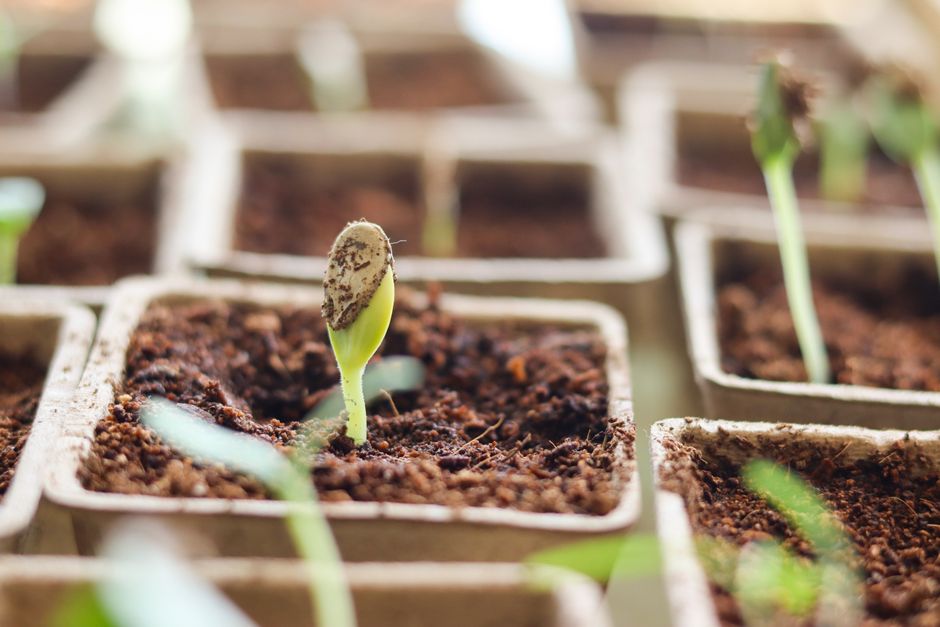
Why Aren't Your Seeds Germinating Indoors? Fix It!
There's nothing quite as exciting as starting seeds indoors, full of hope for a thriving garden. You carefully plant them, water them, and wait. But what happens when those tiny seeds just won't sprout? If you're wondering why seeds not germinating, you're not alone. This is a common hurdle for many home growers.
Seed germination is the process where a dormant seed begins to grow into a seedling. This requires specific conditions like moisture, warmth, and sometimes light. When these conditions aren't met, or if the seeds themselves are compromised, they fail to sprout. This can lead to frustration for anyone trying to grow their own food or plants indoors.
What causes seeds not to germinate?
Seeds fail to germinate for several common reasons, often related to their viability or the environmental conditions you provide. The most frequent issues include old or non-viable seeds, incorrect temperatures, improper moisture levels, and unsuitable planting depth or growing medium.
Understanding these factors is the first step to troubleshooting your indoor seed starting. Sometimes, a tiny adjustment can make all the difference. Don't worry, even experienced gardeners face germination challenges from time to time.
How can you check if your seeds are still good?
You can check the viability of older seeds with a simple paper towel test before planting a whole tray. This quick method helps you see if the seeds are still capable of sprouting.
To perform the test, moisten a paper towel and lay 10 seeds on one half. Fold the other half over and place the towel inside a plastic bag or container to keep it moist. Store it in a warm spot, like on top of your refrigerator. Check after a few days for signs of sprouting. If a good percentage of your seeds germinate, they are likely still viable for planting.
Here are some of the most common reasons your seeds might not be germinating:
- Old or Non-Viable Seeds: Seeds have a shelf life. Over time, their ability to sprout diminishes.
- Incorrect Temperature: Most seeds need specific warmth to break dormancy. Too cold, and they'll stay dormant. Too hot, and they might die.
- Improper Moisture: Seeds need consistent moisture, but not too much or too little.
- Wrong Planting Depth: Planting too deep can prevent tiny seedlings from reaching the surface. Planting too shallow can dry them out.
- Unsuitable Seed Starting Mix: Regular garden soil is too heavy and might contain pathogens.
- Lack of Oxygen: Waterlogged soil or a heavy mix can suffocate the embryo.
- Disease or Pests: Fungi or tiny pests can attack dormant seeds.
Is your seed starting mix right for germination?
Yes, using the correct seed starting mix is crucial for successful germination because it provides the ideal balance of aeration, moisture retention, and a sterile environment. Standard potting soil or garden soil is often too dense, can hold too much water, and may contain weed seeds or pathogens that harm delicate seedlings.
Look for a fine-textured, lightweight, and sterile mix specifically labeled for seed starting. These mixes are typically peat or coco coir-based, sometimes with perlite or vermiculite. They drain well, preventing waterlogging, and allow tiny roots to grow easily. Always pre-moisten your mix before planting to ensure even hydration.
Are your seeds getting enough warmth and light?
Temperature and light are critical environmental factors for successful germination, but their requirements vary greatly among different types of seeds. Many common vegetable and herb seeds prefer warm soil temperatures to sprout, while others might need cooler conditions or even a period of cold before germinating.
For most indoor seed starting, a consistent warm temperature, often between 65-75°F (18-24°C), is ideal. Seedling heat mats placed under your trays can provide bottom heat, significantly speeding up germination for many plant types. Always ensure any electrical heating mats or grow lights are kept away from water spills to prevent hazards.
Do seeds need light to germinate?
Most seeds do not require light to germinate and some even prefer darkness, while a few types actually need light to sprout. The common assumption that all seeds need light from the start is a myth.
Always check your seed packet instructions. For example, lettuce and some herbs like dill might need a little light exposure to sprout, so you'd sow them very shallowly. Most seeds, however, germinate perfectly well in total darkness, buried slightly beneath the soil surface. Once seedlings emerge, nearly all will need adequate light to grow strong and avoid becoming leggy.
Too much or too little water for sprouting seeds?
Both overwatering and underwatering can prevent seeds from germinating by creating unfavorable conditions for the developing embryo. Seeds need consistent moisture to absorb water, swell, and trigger the germination process, but too much water can suffocate them.
If your seed starting mix dries out completely, the germination process can stop, and the seed may die. On the other hand, if the mix is constantly waterlogged, oxygen is depleted. This creates an anaerobic environment where seeds can rot or succumb to fungal diseases like damping-off. Keep the soil consistently damp, like a wrung-out sponge, but never soggy. Misting the surface or watering from the bottom can help maintain this balance.
When should you give up on seeds not sprouting?
You should generally give up on seeds not sprouting if they haven't germinated after roughly double the time recommended on the seed packet. While patience is key in gardening, there comes a point where it's more efficient to restart.
Most common vegetable and herb seeds will sprout within one to two weeks if conditions are right. If your parsley is supposed to take 14 days and it's been 28 with no sign, it's likely time to sow new seeds. Learn from the experience, adjust your conditions, and try again. Sometimes, a batch of seeds simply isn't viable, or conditions were slightly off. Don't let it discourage your indoor gardening journey!
Final Thoughts
Troubleshooting why seeds not germinating is a common part of indoor gardening, and understanding the core needs of seeds can turn frustration into success. By paying close attention to seed viability, temperature, moisture, light, and your chosen seed starting mix, you can greatly improve your chances of a bountiful harvest. Keep experimenting, keep learning, and enjoy the rewarding process of growing your own food. Keep exploring MicroVeg guides for more indoor growing tips!
Frequently Asked Questions
How long does it take for seeds to germinate?
Germination time varies widely by plant type, but many common indoor seeds sprout within 3 to 14 days under ideal conditions.
Can I use old seeds?
Yes, you can use old seeds, but their germination rate often decreases with age. Test their viability first with a paper towel test.
Should I cover my seed trays?
Covering seed trays with a clear dome or plastic wrap helps maintain consistent moisture and humidity, which is beneficial for germination.
What's the best temperature for seed starting?
Most common seeds prefer soil temperatures between 65-75°F (18-24°C) for optimal germination, though specific requirements vary by plant.
Explore More Plant Care Guides
 Plant Care
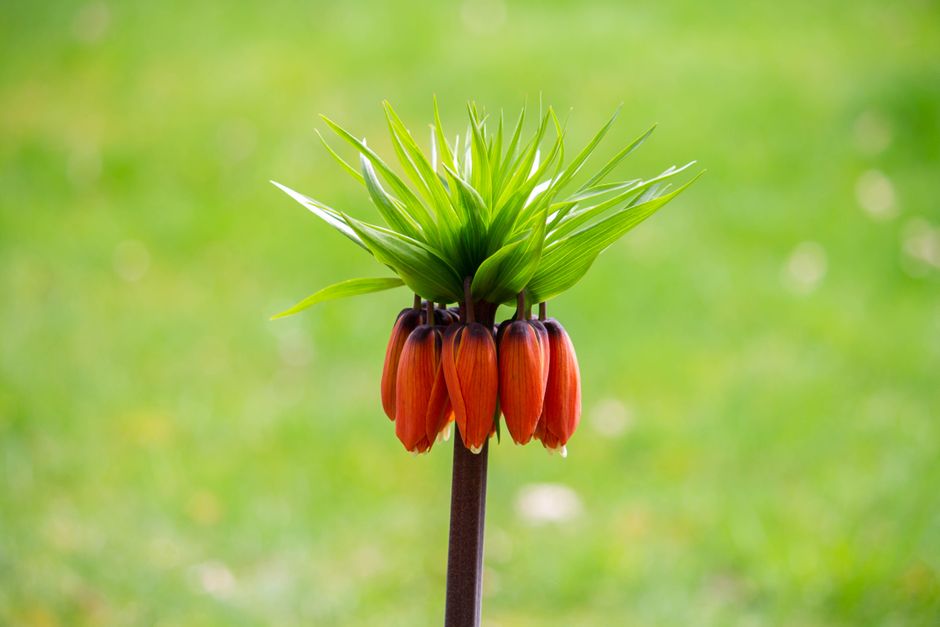
Crown Imperial Indoors: Can This Showstopper Thrive?
Learn if the magnificent Crown Imperial can truly thrive in your indoor container garden or on your balcony, and what challenges you might face.
 Plant Care
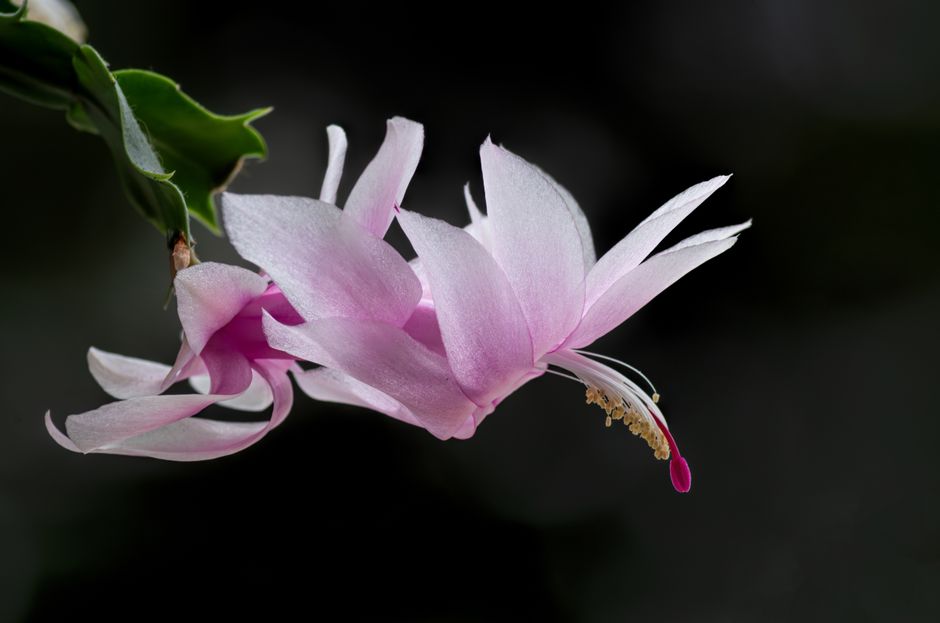
Christmas Cactus Bloom: 3 Secrets for Indoor Growers
Learn the simple, practical secrets to make your Christmas cactus bloom beautifully indoors, turning your home into a festive display.
 Plant Care
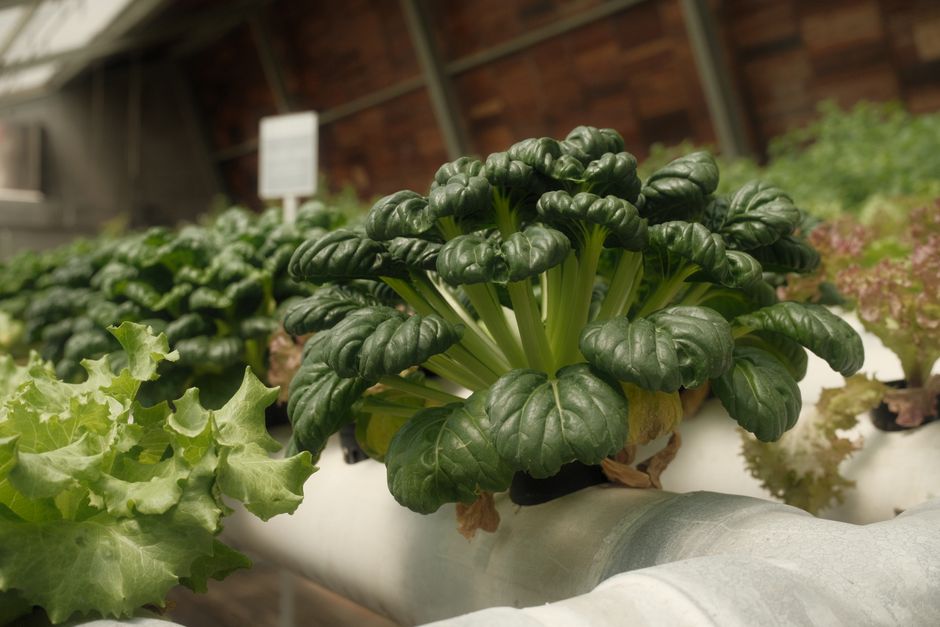
Prevent Algae in Hydroponics: Your Guide to Clean Systems
Discover simple, effective strategies to prevent algae in hydroponics and keep your indoor gardening system clean and your plants thriving.