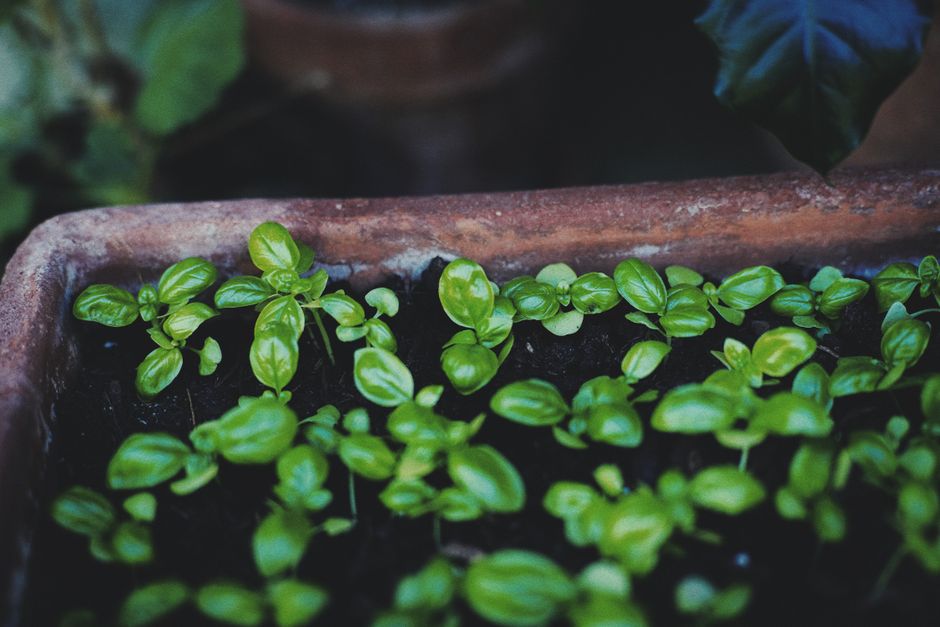
Edible Plants for Your Desk: Grow Fresh Food Indoors
Edible Plants for Your Desk: Grow Fresh Food Indoors
Imagine reaching for a fresh basil leaf or a sprinkle of zesty microgreens without leaving your chair. Growing edible plants for your desk is a fantastic way to bring fresh flavors, a touch of nature, and a surprising amount of satisfaction into your daily routine. Desk gardening is the practice of cultivating small, food-producing plants in containers directly on your desk or in a very compact workspace, perfect for urban dwellers or anyone short on space. It’s an easy, low-cost way to enjoy homegrown goodness.
This MicroVeg guide will walk you through everything you need to know to start your own thriving edible desk garden, from choosing the right plants to keeping them happy and healthy.
What Edible Plants Are Best for Desk Growing?
The best edible plants for desk growing are those that are compact, fast-growing, and can tolerate a range of light conditions, even if supplemental light is needed. Microgreens, small herbs, and loose-leaf lettuces are excellent choices because they don't require large root systems or extensive space to mature.
These plants are ideal for limited areas because they offer quick harvests and won't overwhelm your workspace. Many varieties can be snipped repeatedly, providing a continuous supply of fresh ingredients.
Top Choices for Your Desk Garden
- Microgreens: These tiny, nutrient-packed seedlings are perfect. Try radish, broccoli, kale, arugula, or even a mixed salad blend. They sprout quickly, often within a week, and are ready to harvest in 7-21 days. They need bright light for a short period but don't need huge pots. For more ideas, check out our guide on Easiest Microgreens to Grow: Your Quick Start Guide.
- Herbs: Many herbs thrive in small pots and provide fragrant, flavorful additions to your cooking. Basil, mint, chives, and cilantro are excellent options. They appreciate bright, indirect light and can be harvested regularly by snipping off outer leaves.
- Small Greens: Loose-leaf lettuce varieties like 'Black Seeded Simpson' or 'Buttercrunch' can be grown in small containers. They don't form tight heads, allowing you to harvest individual leaves as needed. Spinach also works well in smaller formats.
How Can You Set Up a Desk Garden for Success?
Setting up a successful desk garden focuses on providing adequate light, choosing appropriate containers, and establishing a consistent watering routine. Even in a small space, careful planning makes a big difference for your plants.
First, assess the light available on your desk. Is there a nearby window? How many hours of direct or indirect sunlight does it receive? This will help you choose the right plants and decide if you need supplemental light.
Optimizing Your Desk Space for Growing
Light: Most edible plants need at least 4-6 hours of good light daily. If your desk is near a bright window, fantastic! If not, a small LED grow light can make all the difference. Modern LED lights are compact, energy-efficient, and come in styles that fit perfectly into a desk setup. Remember to keep electrical components, like timers and lights, safely away from any water spills during watering. For help choosing a light, see our guide on What to Look For in LED Grow Lights: Your Beginner's Guide.
Containers: Choose pots or trays with drainage holes to prevent waterlogging, which can lead to root rot. Small terracotta pots, plastic nursery pots, or even repurposed food containers (with holes poked in the bottom) work well. Saucers or drip trays are essential to protect your desk surface. For microgreens, shallow trays are ideal.
Growing Medium: A good quality seed starting mix or coco coir provides a light, well-draining environment for roots. If you are growing hydroponically, use an inert medium like rockwool or coco coir specifically for hydroponic setups.
Watering: A small watering can with a narrow spout or a spray bottle is perfect for desk gardens. Avoid overwatering, which is a common mistake. Feel the top inch of soil; if it's dry, it's time to water.
What Are the Essential Supplies for Desk Gardening?
To start your desk garden, you'll need a few basic supplies: seeds, appropriate containers, a good growing medium, and a way to water your plants. These foundational items ensure your plants have what they need to thrive from day one.
Having everything ready before you begin makes the planting process smooth and enjoyable. You might also consider optional additions like a small grow light or liquid plant food.
- Seeds: Choose high-quality seeds for the edible plants you want to grow. Look for varieties known for compact growth or quick maturity.
- Small Containers or Trays: As mentioned, these need drainage. Consider self-watering pots if you want to reduce watering frequency.
- Growing Medium: A sterile seed starting mix, coco coir, or a hydroponic-specific medium ensures a clean start for your plants.
- Watering Tool: A small watering can or spray bottle for gentle and precise watering.
- Optional: Small Grow Light: If your desk lacks natural light, a compact LED grow light is a smart investment. It ensures your plants get consistent light exposure. Our guide on How Long to Run Grow Lights for Indoor Plants? can help you with light schedules.
- Optional: Liquid Plant Food: For long-term growth, especially in hydroponic setups or if you plan to keep plants for multiple harvests, a gentle liquid fertilizer specifically designed for edible plants will provide necessary nutrients. Follow the dosage on your nutrient bottle.
How Do You Maintain Your Desk Garden?
Maintaining your desk garden involves regular attention to watering, light exposure, gentle nutrient feeding, and timely harvesting to encourage continued growth. Consistent care helps your plants stay productive and healthy.
Daily quick checks can prevent many problems, like wilting from lack of water or signs of pests.
- Watering: Check the soil moisture daily. Water when the top inch of soil feels dry to the touch. Water slowly until you see a little drain out the bottom, then empty any excess from the saucer.
- Light Adjustment: Rotate your plants every few days so all sides get even light exposure. If using a grow light, adjust its height as your plants grow to maintain the optimal distance.
- Feeding: If you're growing in soil for more than a few weeks, or in a hydroponic system, you'll need to provide nutrients. Use a diluted liquid plant food every 2-4 weeks for soil plants, or as directed by your hydroponic nutrient schedule.
- Harvesting: For microgreens, harvest them all at once when they reach a few inches tall. For herbs and lettuces, use the 'cut and come again' method: snip off the outer leaves or stems, leaving the inner growth to continue producing. This encourages bushier growth and extends your harvest season. Always wash your harvested edibles before eating them.
- Cleanliness: Keep your desk garden area tidy. Remove any fallen leaves or spent plant material to prevent mold or pest issues. Regular cleaning helps keep your plants healthy. If you notice mold, our Stop Mold on Microgreens: Your Guide to Healthy Harvests guide offers solutions.
What Common Problems Do Desk Gardeners Face?
Desk gardeners often encounter issues like leggy plants, mold growth, slow development, and occasional pests, but most of these problems are easily fixable with minor adjustments to care. Understanding the signs can help you react quickly and keep your plants thriving.
Catching problems early is key to maintaining a healthy and productive desk garden.
Leggy Plants: If your seedlings are stretching tall and thin with sparse leaves, they are likely not getting enough light. Move them closer to a window or adjust your grow light. Our guide, Why Are Your Seedlings Leggy Under Grow Lights? Fix It Now!, provides more detailed solutions.
Mold or Mildew: This often results from overwatering, poor air circulation, or high humidity. Ensure your pots have good drainage, don't overwater, and consider a small fan for air movement if you're growing in an enclosed space. Promptly remove any moldy plant parts.
Slow Growth: This can be due to insufficient light, lack of nutrients, or incorrect watering. Review your light setup, consider adding a diluted liquid fertilizer, and check your soil moisture regularly. Plants also grow slower in cooler temperatures.
Pests: Small indoor pests like fungus gnats or aphids can appear. Fungus gnats usually indicate overwatering; let the soil dry out more between waterings. For aphids, gently wipe them off with a damp cloth or spray plants with a mild soapy water solution (using a tiny amount of dish soap diluted in water). Always isolate affected plants to prevent spread.
Final Thoughts
Bringing edible plants for your desk into your workspace is a simple yet impactful way to add freshness, beauty, and even a little joy to your day. With the right plants and a few basic care steps, you can enjoy homegrown herbs and greens whenever you like. Ready to expand your indoor growing adventure? Explore more MicroVeg guides for tips and inspiration!
Frequently Asked Questions
Can I grow vegetables on my desk?
Yes, you can grow small vegetables like microgreens, loose-leaf lettuce, spinach, and compact herbs directly on your desk, especially with good light.
How much light do desk plants need?
Most edible desk plants need at least 4-6 hours of bright, indirect light daily. If natural light is insufficient, a small LED grow light is highly recommended.
What is the easiest edible plant to grow on a desk?
Microgreens are often considered the easiest edible plants for a desk garden because they grow quickly and require minimal space and care for a rapid harvest.
Do I need special soil for desk gardening?
It is best to use a high-quality, sterile seed starting mix or coco coir for desk gardening to ensure good drainage and prevent soil-borne pests and diseases.
Explore More Plant Care Guides
 Plant Care
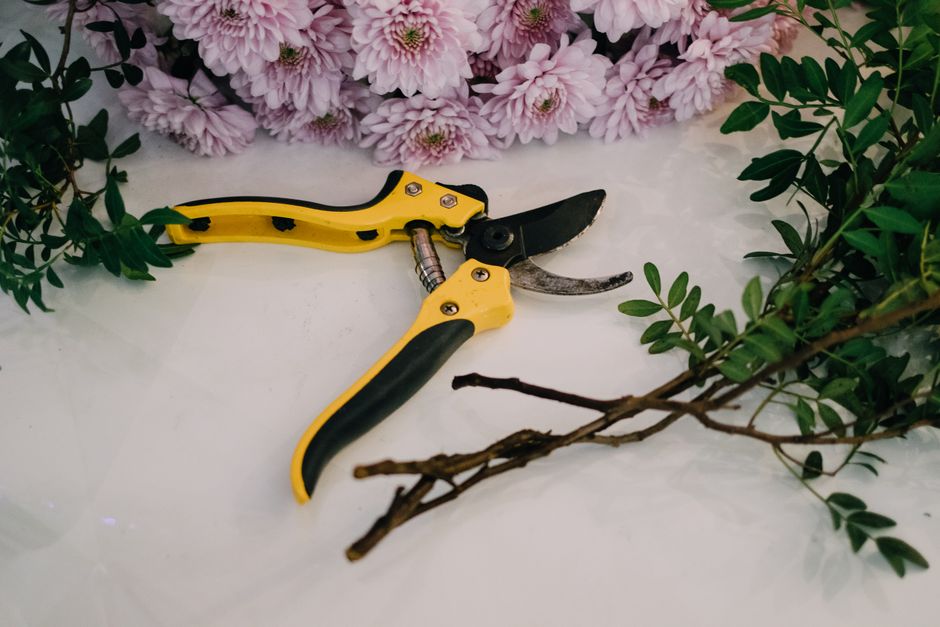
Pruning Chrysanthemums for Longer Indoor Blooms
Discover effective pruning techniques for chrysanthemums to ensure more vibrant and continuous blooms in your indoor garden.
 Plant Care
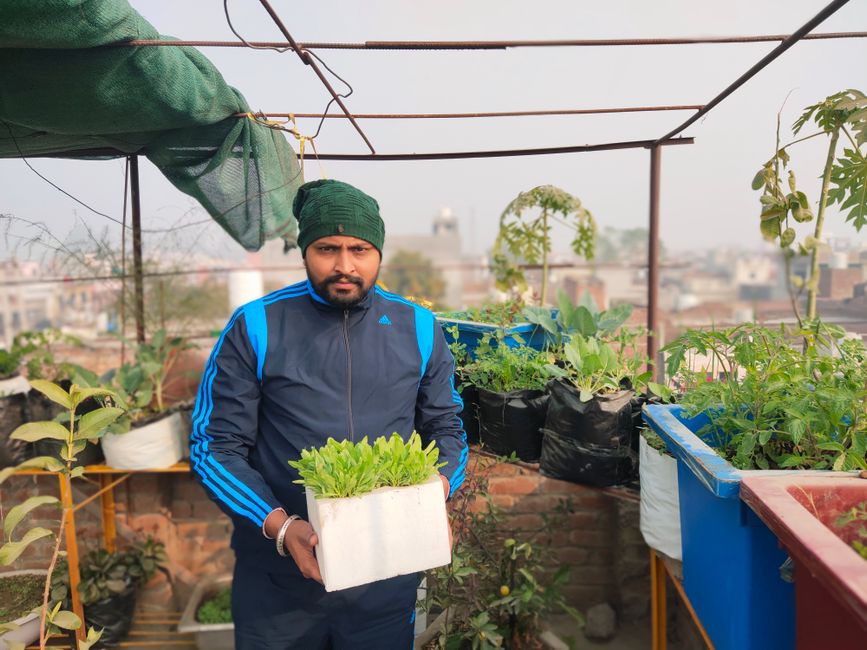
How to Grow Spinach Indoors: Fresh Leaves Year-Round
Learn how to grow fresh spinach indoors all year long, perfect for small spaces and a continuous harvest.
 Plant Care
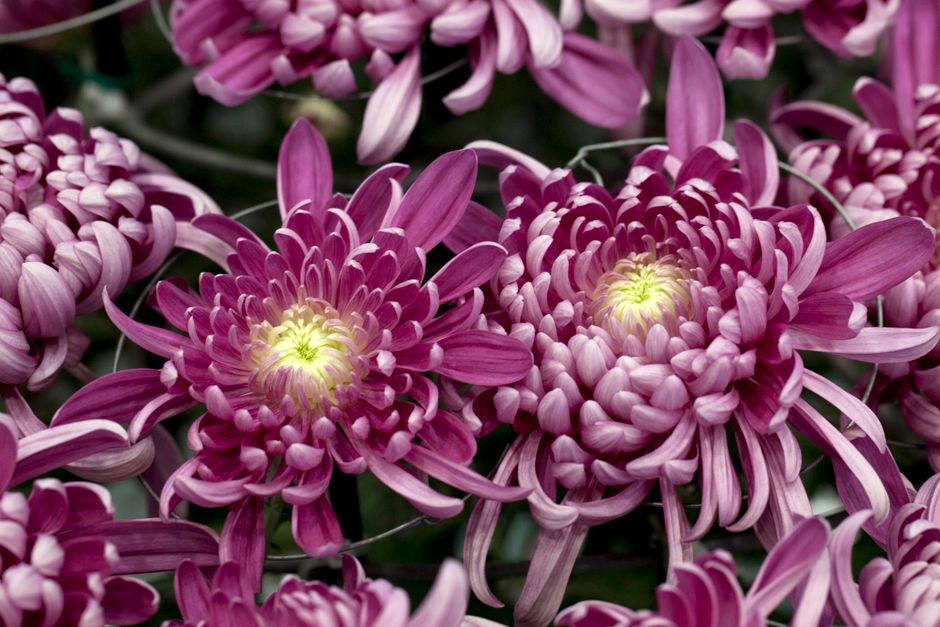
Indoor Chrysanthemum Care: Avoid This Common Mistake
Bringing chrysanthemums indoors for fall decor is popular, but many home growers make a key mistake that causes these vibrant plants to quickly decline.