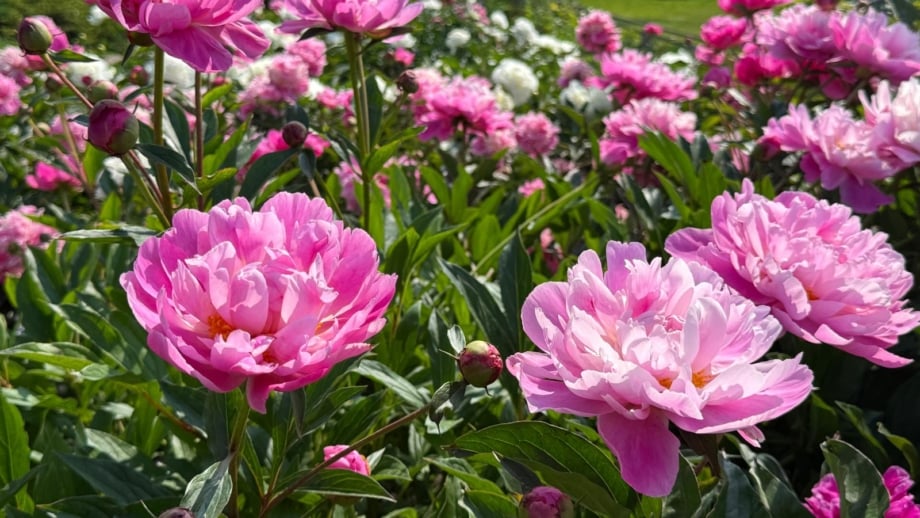
7 Ways to Get Peonies to Bloom in Small Spaces
Peonies are legendary for their lush petals and incredible fragrance, but getting them to flower in small spaces or containers can feel challenging. When container peonies refuse to open, simple adjustments to your care routine usually solve the problem. Here are direct, practical strategies to help you get peonies to bloom reliably every spring.
Why Are My Container Peonies Not Blooming?
Container peonies usually fail to flower because the eyes on the root crowns were planted too deep or the plant is not receiving enough cold dormant hours in winter. Peony roots need specific seasonal conditions to set flower buds during their winter rest period. If your pot sits in a warm spot all winter or lacks bright sunlight in spring, flower production drops significantly.
Excess nitrogen fertilizer also prevents blooming by encouraging heavy green leaf growth at the expense of buds. When you grow peonies in pots on balconies or patios, soil volume and moisture levels change rapidly. Finding the right balance of light, planting depth, pot size, and nutrient timing is essential for healthy flower production.
How to Get Peonies to Bloom in Containers
To get peonies to bloom in container setups, focus on precise planting depth, sufficient pot volume, and direct sunlight. Container peonies need a wide, deep container with excellent drainage holes so the roots never sit in standing water. Fill the container with a quality potting mix, ensuring the eyes on the root crown sit no deeper than one to two inches below the soil surface.
Always choose potting media carefully. If you are using pre-packaged potting mixes for your potted plants, check whether is bagged soil safe for indoor container gardening to ensure it offers clean drainage without compaction. Proper aeration around the root zone lets the plant develop strong storage roots.
Check Your Planting Depth
Planting depth is the single most critical factor for peony flowering. The eyes are the small buds located on the crown of the root system from which new shoots emerge. If these eyes sit deeper than two inches in the soil, the plant may grow healthy green leaves every year but will never produce flower buds.
When potting up new peonies or repotting older containers, use a measuring tape to verify the depth. Place the crown near the top of the container, cover the eyes with one inch of fine soil, and settle the soil gently with water. Avoid piling heavy mulch directly over the crown during the growing season.
Provide Maximum Sunlight and Air Circulation
Peonies demand at least six hours of direct sunlight every day to build the energy needed for massive blooms. Place container peonies on the sunniest spot on your balcony, patio, or window ledge. If natural sun is limited in your outdoor area, supplement with high-output LED grow lights positioned directly above the plant during early spring growth.
Good air movement around the foliage keeps fungal leaves at bay. Space your containers so air circulates freely around every stem. Always keep electrical extension cords and grow light cables lifted off the ground and away from pot drainage trays to prevent water spills from causing electrical hazards.
What Is the Best Fertilizer Strategy for Peony Flowers?
The best fertilizer strategy for peony flowers focuses on low-nitrogen nourishment applied at specific growth stages. High-nitrogen fertilizers stimulate rapid stem and leaf growth, which soft-binds the plant and halts flower bud development. Apply a balanced, slow-release blossom fertilizer low in nitrogen as soon as new shoots emerge in early spring.
Feed your container peonies again lightly right after the blooming period ends. This late spring or early summer feeding helps the plant store energy in its root tubers for next year bloom cycle. Always follow the manufacturer instructions on your fertilizer package, and avoid heavy feeding in late summer or autumn when the plant prepares for dormancy.
If you maintain outdoor balcony containers alongside vegetables, manage potential visitors naturally. If small mammals visit your balcony plants, review our guide to protect your garden from rabbits without harsh chemicals or physical barriers that block light.
How to Prune and Support Container Peonies
Support container peonies early in spring by setting up a ring stake or grid support before the stems grow tall. Peony flower heads are remarkably heavy, especially after rainfall. Without physical support, the heavy stems lean outward or snap, which ruins your display and damages the central crown.
Prune back spent flower heads as soon as the petals fade to stop the plant from wasting energy on seed production. Cut the stem back to a strong leaf node just below the spent bloom. Keep all green stem foliage intact until autumn. The green leaves gather light energy through summer to feed the dormant root crown for the following year.
Follow these essential pruning and maintenance guidelines throughout the season:
- Deadhead faded flower heads immediately after petal drop to conserve root energy.
- Leave green stems and leaves untouched all summer to build root energy for next spring.
- Cut all foliage back to ground level in late autumn after the first hard frost.
- Clear away all fallen leaves and soil surface debris to stop fungal spores from overwintering.
How to Manage Winter Dormancy for Potted Peonies
Potted peonies require a winter chilling period to break dormancy and form flower buds for spring. Standard herbaceous peonies need several weeks of cold winter temperatures. If you live in an area with cold winters, leave your container outdoors in a sheltered spot, or move it into an unheated garage or shed if extreme sub-zero weather threatens to freeze the root ball solid.
Do not bring container peonies into a warm living room or heated indoor greenhouse over winter. Warm winter temperatures prevent the plant from completing its dormancy requirement, resulting in blind shoots that fail to bloom. Keep the soil slightly moist during winter dormancy, watering only occasionally when the top few inches feel completely dry.
Final Thoughts
Getting healthy container peonies to produce large, beautiful flowers comes down to proper planting depth, bright light, and cool winter dormancy. By placing root crowns at the shallow depth they prefer and avoiding heavy nitrogen feeding, you can get peonies to bloom year after year in small space gardens. Explore more MicroVeg guides to discover practical strategies for growing herbs, vegetables, and flowers in compact indoor and container setups.
Frequently Asked Questions
How long does it take for potted peonies to bloom?
Newly planted container peonies often take one to two years to produce abundant blooms while their root system establishes. Once established in a deep container, they flower every spring.
Can peonies grow indoors permanently?
Peonies generally do not thrive indoors year-round because they require a cold winter chilling period to set flower buds. They perform best outdoors on balconies or patios where natural seasonal chilling occurs.
Why are my peony flower buds drying up before opening?
Bud blast happens when young peony buds brown and dry up before opening, usually caused by sudden cold weather snaps, insufficient sunlight, or fungal rot.
Do container peonies need special soil?
Container peonies need a rich, well-draining potting soil that drains water quickly while holding gentle moisture. Avoid heavy garden soils, which pack tightly and rot underground root tubers.
Explore More Plant Care Guides
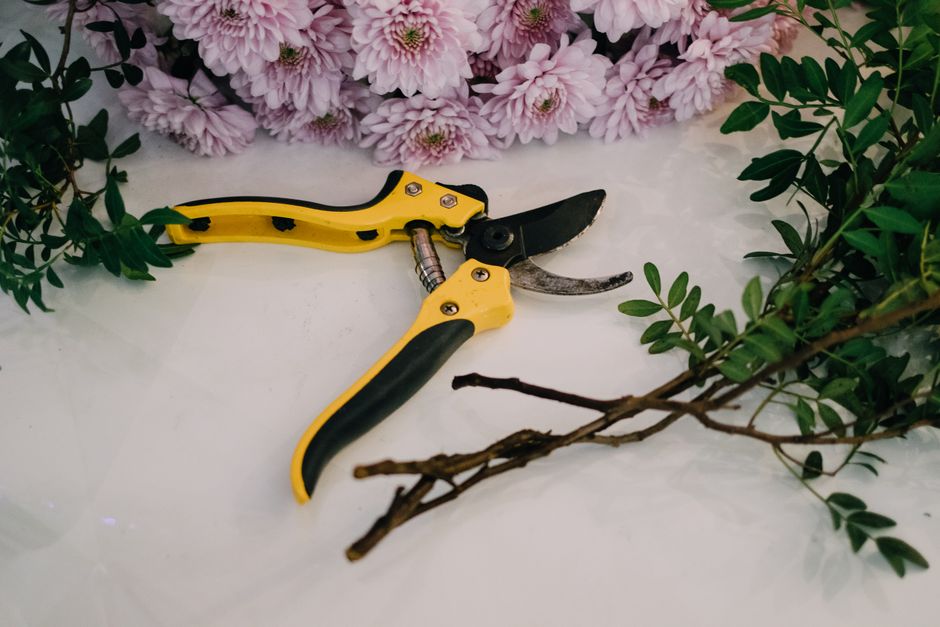 Plant Care
Pruning Chrysanthemums for Longer Indoor Blooms
Discover effective pruning techniques for chrysanthemums to ensure more vibrant and continuous blooms in your indoor garden.
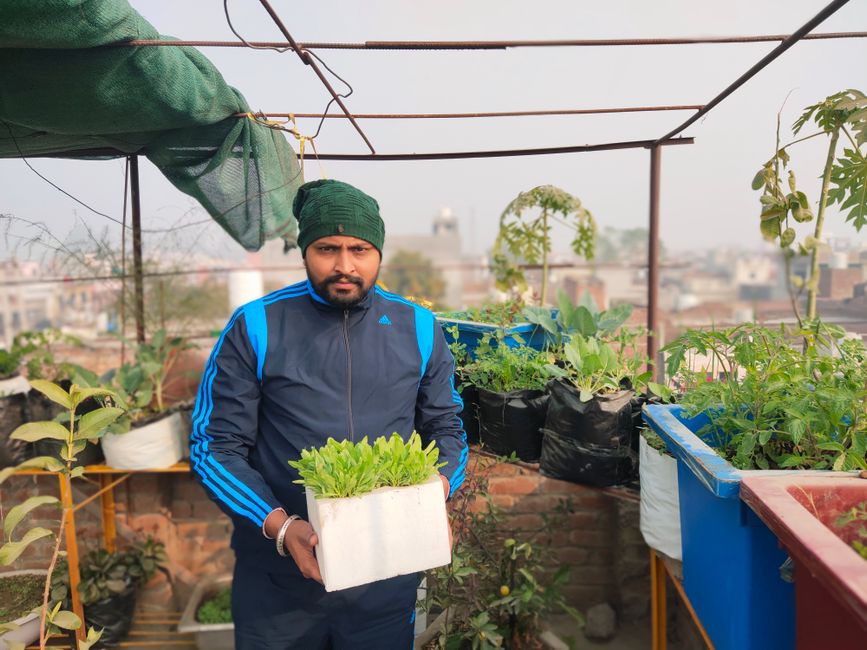 Plant Care
How to Grow Spinach Indoors: Fresh Leaves Year-Round
Learn how to grow fresh spinach indoors all year long, perfect for small spaces and a continuous harvest.
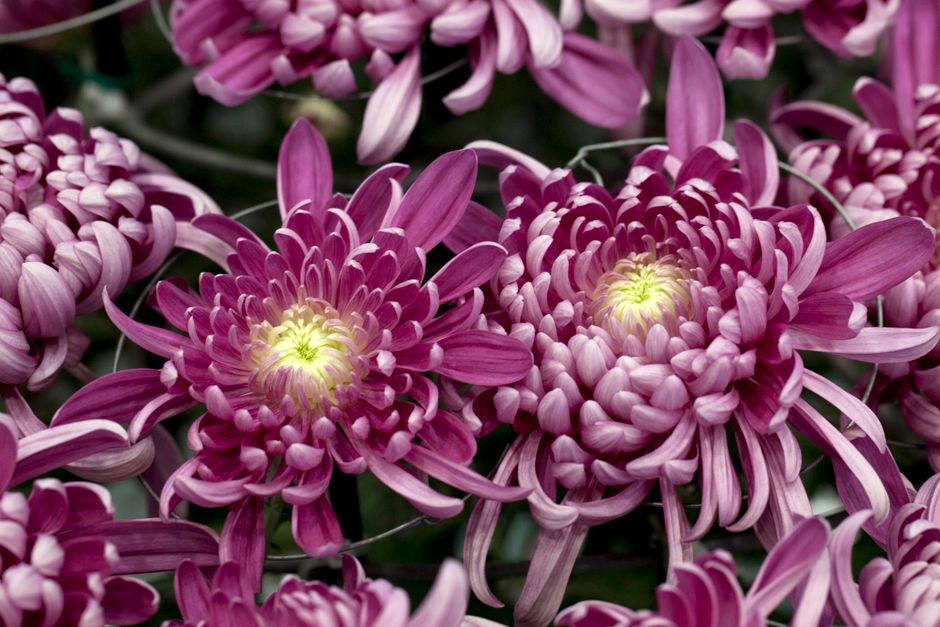 Plant Care
Indoor Chrysanthemum Care: Avoid This Common Mistake
Bringing chrysanthemums indoors for fall decor is popular, but many home growers make a key mistake that causes these vibrant plants to quickly decline.