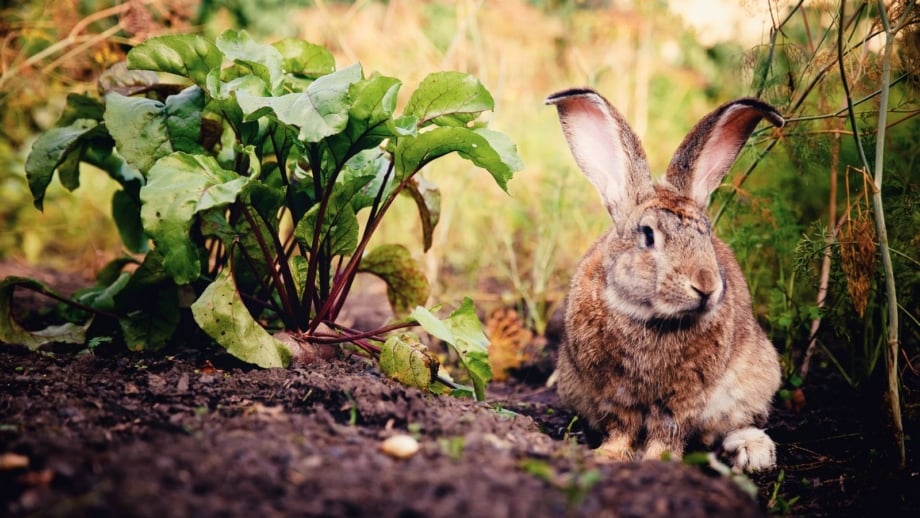
Protect Garden From Rabbits: Cruelty-Free Guide
Seeing nibbled stems and missing leaves on your balcony or patio container garden can be frustrating. You invest time, care, and enthusiasm into growing fresh produce, only to find soft tender leaves bitten off overnight. Learning how to protect garden from rabbits allows you to defend your harvest while keeping local wildlife completely safe. You do not need harsh traps, sharp spikes, or dangerous chemicals to enjoy a productive home harvest. Simple planning, smart placement, and physical barriers will keep your crops thriving alongside outdoor animals.
Why Do Wild Rabbits Target Container Gardens?
Rabbits are opportunistic feeders naturally attracted to fresh tender plant growth. Container gardens on ground-level patios, decks, and low urban balconies are easy targets because they sit at eye level for small animals. Potted greens, young vegetable shoots, soft herbs, and sweet fruity sprouts produce strong scents that signal quick nutrition to passing wildlife.
Understanding rabbit feeding habits helps you stop them before damage happens. Rabbits prefer quiet feeding times, usually during early morning hours or late dusk when human activity is low. They look for easy food sources that do not require climbing, squeezing through narrow spaces, or leaping over high obstacles. By making your small-space garden slightly harder to access, you encourage them to move along to wild grasses and native weeds instead.
Wild rabbits also seek cover from predators while feeding. Pots clustered together near deck steps, patio furniture, or tall grass provide convenient hiding spots. Rearranging your space to eliminate dark hiding places near your containers makes your balcony less attractive to skittish animals.
How to Protect Garden From Rabbits With Physical Barriers
Physical barriers offer the most reliable long term solution to protect garden from rabbits without causing any harm. A solid physical block stops animals instantly, removing the temptation to chew on your potted vegetable leaves.
Installing Netting and Row Covers on Balconies
Fine mesh netting, chicken wire netting, or floating fabric row covers wrap easily around individual pots, raised planter boxes, and balcony railings. You can shape lightweight wire hoops or plastic arches inside your containers to support the mesh above delicate plant foliage. Ensure the holes in your netting are small enough so animals cannot get caught or push their noses through.
Inspect netting regularly to ensure no wires are sharp or loose. When setting up automated drip irrigation or outdoor water pumps for your potted crops, always keep electrical timers and pump connections elevated away from water spills and wet outdoor surfaces to prevent electrical hazards.
Raising Containers Off the Ground
Elevated plant stands, hanging baskets, and tall planter tables naturally isolate your crops from ground level animals. Wild rabbits generally avoid jumping onto high, unstable platforms or tall tables to reach food if easier choices exist nearby. Moving potted crops to tables at least two feet high eliminates most rabbit browsing overnight.
When growing vegetable varieties on elevated tables or railings, ensure your containers stay balanced and secure. Heavy wind or shifting weight can tip top-heavy planters off high stands. For instance, when growing high yield crops like those in our guide on best container cucumber varieties for small spaces, heavy pots need sturdy, flat surfaces so they stay upright and stable.
What Are the Best Rabbit Resistant Plants for Containers?
Choosing rabbit resistant plants helps deter curious animals from approaching your containers in the first place. Rabbits rely heavily on smell and taste to choose their food, so strongly aromatic foliage usually turns them away.
- Aromatic Culinary Herbs: Herbs like rosemary, thyme, oregano, sage, lavender, and mint possess strong essential oils that wild rabbits dislike.
- Allium Family Crops: Onions, garlic, chives, and scallions produce pungent sulfur scents that naturally repel small mammals.
- Fuzzy or Prickly Textures: Foliage with coarse, woolly, or prickly surfaces is physically uncomfortable for rabbits to chew.
You can arrange container arrangements strategically by planting an outer ring of pungent herbs surrounding tender target crops like butterhead lettuce, spinach, or Swiss chard. When preparing outdoor containers or refreshing potted soil, always start with high quality growing media. You can check our advice on whether is bagged soil safe for indoor container gardening to make sure your container soil is free from harmful contamination and unwanted pests.
How to Use Natural Repellents to Keep Rabbits Away
Cruelty free repellent sprays create uncomfortable smells or bitter flavors that warn wild animals to stay away from your patio containers. You can buy commercial organic repellents or mix home solutions using garlic, hot cayenne pepper powder, or peppermint oil diluted in water.
Apply repellent sprays to container rims, outer planter boxes, deck railings, and lower support legs. Avoid spraying strong pepper or garlic mixtures directly onto edible leafy greens that you plan to harvest soon, as the flavor can transfer to your food. Always wash all harvested home produce thoroughly in clean water before eating.
Because liquid repellents rely on surface scent, they gradually wash away with rain or hand watering. Reapply repellents weekly or after heavy rainfall to maintain a consistent scent boundary around your garden space. Combining natural repellents with physical barriers gives you complete protection during peak growing seasons.
If you grow heavy fruiting crops like potted tomatoes on your patio, building a strong plant structure helps them withstand occasional animal interaction. Learn how to bury tomato plants sideways to promote deep root growth and create sturdier, more resilient container plants.
Final Thoughts
Taking practical, gentle steps will protect garden from rabbits while keeping your home growing space safe and ethical. By combining raised planters, protective mesh covers, and pungent companion plants, you can enjoy abundant harvests on any patio or balcony. Remember to protect garden from rabbits early in the season before animals establish daily feeding routines around your home. Explore our other MicroVeg guides for more clever, small-space growing strategies and urban gardening advice!
Frequently Asked Questions
How high can a wild rabbit jump to reach balcony planters?
Most wild rabbits can jump up to two feet high, but they rarely leap onto high, unfamiliar plant stands or elevated tables. Placing containers at least two feet off the ground eliminates most feeding issues.
Will coffee grounds keep rabbits out of container pots?
Coffee grounds offer a mild scent deterrent due to their strong aroma, but they are rarely effective on their own. Combining grounds with physical barriers like plant stands or mesh netting provides far better protection.
Do wild rabbits eat potted microgreens or herbs on low patios?
Yes, tender young shoots like microgreens, head lettuce, and soft herbs are primary targets for rabbits on low ground. Keeping young greens on raised tables or indoors under grow lights keeps them completely safe.
Can essential oils safely repel wild rabbits from potted plants?
Diluted peppermint oil or garlic oil sprayed around pot rims acts as a natural cruelty-free deterrent. Apply sprays around the planter container itself rather than spraying directly on leaves you intend to eat.
Explore More Plant Care Guides
 Plant Care
Pruning Chrysanthemums for Longer Indoor Blooms
Discover effective pruning techniques for chrysanthemums to ensure more vibrant and continuous blooms in your indoor garden.
 Plant Care
How to Grow Spinach Indoors: Fresh Leaves Year-Round
Learn how to grow fresh spinach indoors all year long, perfect for small spaces and a continuous harvest.
 Plant Care
Indoor Chrysanthemum Care: Avoid This Common Mistake
Bringing chrysanthemums indoors for fall decor is popular, but many home growers make a key mistake that causes these vibrant plants to quickly decline.