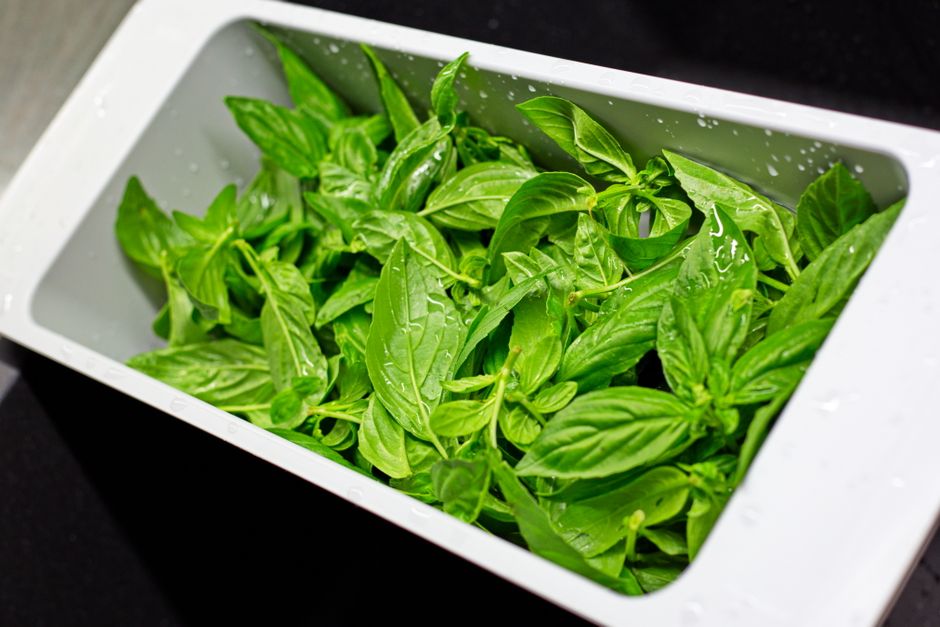
Grow Basil on a Kitchen Counter: Easy Step-by-Step Guide
Fresh basil is one of the most rewarding herbs to keep within arm's reach while cooking at home. You do not need a big backyard garden or an expensive setup to enjoy fresh leaves all year long. In this practical guide, you will learn how to grow basil on a kitchen counter with basic supplies, simple light setups, and reliable daily care routines.
What Do You Need to Grow Basil on a Kitchen Counter?
To successfully grow basil on a kitchen counter, you need a sturdy container with bottom drainage, high quality potting soil, and adequate lighting. Basil plants thrive in warm indoor environments with consistent moisture, making them ideal companions for sunny counters.
A six inch container is the sweet spot for a single mature basil plant. Plastic or terracotta pots work equally well, as long as water can drain freely out of the bottom holes. Placing a saucer underneath protects your countertop surface from water damage.
- 6-inch pot with bottom drainage holes and saucer
- Light indoor potting mix enhanced with perlite
- Sunny window or compact desk grow light
- Organic liquid plant fertilizer for herbs
Pick a light potting mix designed for indoor container growing. Adding a small handful of perlite improves root ventilation and prevents soggy soil. You can also mix in a gentle organic fertilizer to give young plants balanced food for their first few weeks.
As a quick safety note, make sure to keep all electrical cords from clip-on grow lights or small liquid pumps completely clear of water spills and kitchen sinks.
How Much Light Does Kitchen Counter Basil Need?
Basil requires at least six to eight hours of direct light every day to stay strong and healthy. Windowsill space works well if it faces south or west, but standard kitchen windows often fall short during winter months.
If your basil receives insufficient light, the plant will stretch toward the window, leading to thin stems and small pale leaves. You can learn how to manage crowded or stretched plants in our helpful guide on how to thin seedlings for better plant structure and airflow.
When natural sunlight is not enough, inexpensive LED clip lights work wonders. Position a light three to six inches above the top foliage and set a plug timer for twelve hours a day. LED grow lights consume very little electricity while giving your basil the exact spectrum needed for bushy growth.
Rotate your pot every few days if it rests on a sunny windowsill. This simple habit keeps the plant growing upright and prevents one-sided, top-heavy stems.
How Often Should You Water Basil Grown Indoors?
You should water indoor basil whenever the top inch of potting soil feels dry to the touch. Basil leaves prefer steady moisture, but overwatering is the fastest way to kill healthy roots.
Test the soil moisture using your index finger before pouring water into the pot. If the top layer feels cool and damp, wait another day or two. If the soil feels dry and crumbly, give the pot a deep soak until water runs out the bottom.
Always pour out any excess standing water from the bottom drainage saucer fifteen minutes after watering. Leaving plant roots in pooled water starves them of oxygen and causes rot.
Tap water works fine for standard soil potted basil, but letting tap water sit in an open jug overnight allows chlorine gases to escape. If you plan to experiment with hydroponic water growing methods, read our simple guide on whether can you use tap water for hydroponics without harming your plants.
How Do You Prune Basil for Maximum Leaf Yield?
The best way to prune basil is to cut the top stems right above a leaf node once your plant reaches six inches in height. Cutting the single top stem stimulates two side branches to grow, creating a lush and productive foliage canopy.
Pruning Step-by-Step Instructions
Begin pruning early when the plant has at least three sets of true leaves. Use clean kitchen shears or sharp scissors to make clean cuts directly above a set of leaf joints.
Avoid harvesting more than one third of the entire plant leaves during a single pruning session. Taking too much green foliage at once slows growth down and weakens the root base. Regular small harvests encourage continuous growth throughout the season.
Pinching Off Flowers
As basil plants mature, they will try to send up flower spikes at the ends of upper branches. Pinch these flower buds off immediately using your fingers as soon as they appear.
Allowing flowers to bloom changes the chemical makeup of the plant. The leaves will turn bitter and tough, and the plant will focus its energy on seed production instead of growing sweet culinary leaves.
What Are Common Kitchen Basil Problems and How to Fix Them?
Indoor potted basil can occasionally show signs of distress like yellow leaves, drooping stems, or minor pest infestations. Spotting these early warnings makes fixing them simple.
- Yellowing Leaves: Caused by overwatering or dense soil. Allow the top soil to dry out between waterings.
- Drooping Stems: Soft, drooping leaves mean your basil plant needs water right away.
- Fungal Spots: Move the plant away from steamy sinks to an area with gentle air movement.
Lower leaves turning yellow is almost always caused by overwatering or dense soil that holds too much water. Allow the top soil to dry out between waterings and ensure drainage holes are open.
Soft, drooping leaves mean your basil plant needs water right away. A thorough watering usually restores firm stems within a couple hours.
Kitchens can get humid near sinks and dishwashers. Keep your plant away from heavy steam, and place it in a location with gentle natural room airflow.
Final Thoughts
Learning how to grow basil on a kitchen counter is one of the easiest ways to bring fresh herbs into your daily cooking routine. With reasonable light, proper watering habits, and regular pruning, a single plant will produce fresh aromatic leaves for months. Explore our full library of MicroVeg guides to discover more simple crops you can grow indoors today!
Frequently Asked Questions
Can basil live indoors permanently?
Yes, basil can live indoors permanently if provided with at least six to eight hours of bright light daily and proper drainage.
Should I let my indoor basil flower?
No, you should pinch off basil flowers as soon as they appear to prevent the leaves from becoming bitter.
Why is my indoor basil plant getting tall and thin?
Leggy basil plants are stretching for more light, which can be fixed by placing the plant closer to a sunny window or adding a small LED grow light.
How long does a kitchen basil plant last indoors?
A healthy indoor basil plant typically lasts around six to nine months with regular pruning before needing replacement.
Explore More Plant Care Guides
 Plant Care
Pruning Chrysanthemums for Longer Indoor Blooms
Discover effective pruning techniques for chrysanthemums to ensure more vibrant and continuous blooms in your indoor garden.
 Plant Care
How to Grow Spinach Indoors: Fresh Leaves Year-Round
Learn how to grow fresh spinach indoors all year long, perfect for small spaces and a continuous harvest.
 Plant Care
Indoor Chrysanthemum Care: Avoid This Common Mistake
Bringing chrysanthemums indoors for fall decor is popular, but many home growers make a key mistake that causes these vibrant plants to quickly decline.