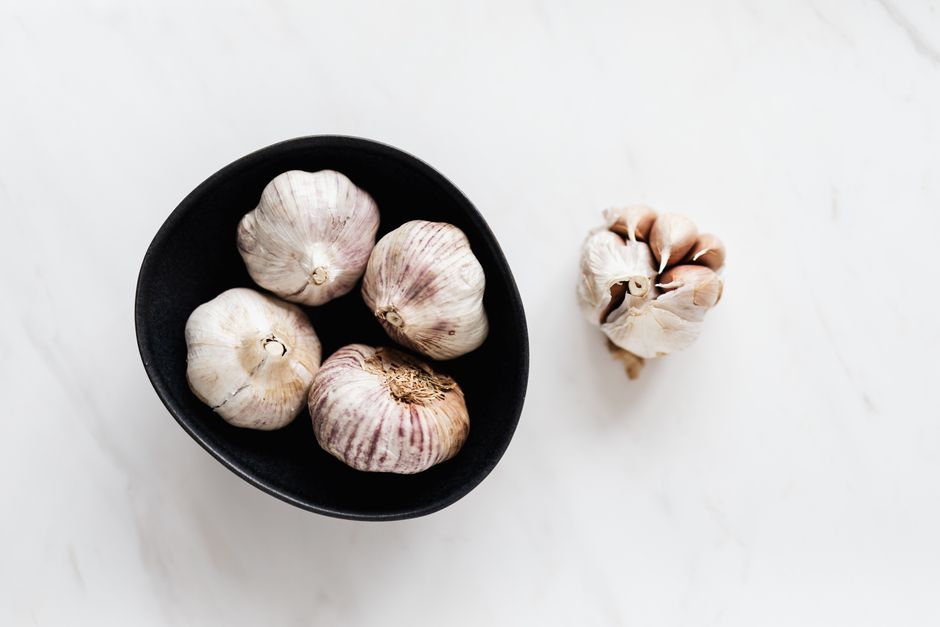
Grow Garlic Indoors for Amazing Flavor
That unmistakable, aromatic scent of garlic hitting a hot pan is a kitchen delight. Imagine having that fresh, pungent flavor right from your own home garden. You can absolutely grow garlic indoors, transforming a small corner or a sunny balcony into a productive patch. Growing garlic indoors means cultivating garlic plants in containers or controlled environments inside your home, a balcony, or even a specialized hydroponic setup, allowing you to enjoy fresh bulbs or greens year-round, regardless of outdoor climate. With a few smart strategies, you can enjoy robust, flavorful garlic even without a traditional garden bed.
Simulating Winter for Flavorful Indoor Garlic
For indoor garlic to develop flavorful bulbs, it typically needs a period of cold temperatures, known as vernalization, which mimics winter conditions. This cold treatment signals the plant to divide its energy into forming individual cloves instead of just growing a single large bulb or continuous green tops.
For home growers cultivating garlic indoors, simulating this vernalization is key. You can achieve this by refrigerating your garlic cloves for 4-8 weeks before planting. Simply place the unpeeled cloves in a paper bag or a breathable container in your refrigerator. Keep them away from fruits that release ethylene gas, as this can hinder sprouting.
While you might be able to grow garlic greens without vernalization, true bulb formation with distinct, flavorful cloves often requires this cold period. Skipping this step usually results in a 'round' or 'solo' garlic bulb that lacks the characteristic clove separation and intense flavor.
Choosing the Right Garlic Varieties for Indoor Growing
Selecting appropriate garlic varieties is crucial for successful indoor growing and achieving the best flavor, with hardneck and softneck types offering different benefits. Each type has distinct characteristics that affect its suitability for container life and its flavor profile.
Hardneck vs. Softneck Garlic for Your Indoor Garden
Hardneck garlic varieties typically produce a woody central stem, called a scape, and tend to have a more complex, spicier flavor profile. They often require a more pronounced cold period for optimal bulb formation, which can be a consideration for indoor growers. If you love garlic scapes, a culinary treat, hardnecks are your choice.
Softneck garlic varieties do not produce a woody stem or scapes. They are generally more tolerant of warmer climates and often store longer than hardnecks. Their flavor is usually milder but still rich. Softnecks are a good choice for braiding and for growers who might find simulating a deep cold period challenging.
When choosing, look for varieties known to be adaptable to container growing. Check seed supplier descriptions for notes on cold tolerance or suitability for milder climates, which can give you a hint for indoor success. Some popular types like 'Inchelium Red' (softneck) or 'Chesnok Red' (hardneck) are often recommended for their robust flavor.
Providing Ideal Growing Conditions for Indoor Garlic
Indoor garlic thrives with ample sunlight or appropriate grow lights, consistent watering, and well-draining soil or a suitable hydroponic setup. Creating the right environment ensures healthy growth and the development of those prized flavorful bulbs.
Light Requirements: Garlic needs a lot of light to produce large, healthy bulbs. Aim for at least 6-8 hours of direct, bright light each day. If natural sunlight is scarce, investing in a good quality LED grow light is essential. Position your grow lights according to the manufacturer's recommendations for intensity and coverage. For guidance on setup, you might find our guide on LED Grow Light Distance: Perfect Placement for Healthy Plants helpful.
Container Selection: For successful bulb development, choose containers that are at least 6-8 inches deep and wide for each clove you plan to plant. Deeper pots allow for better root development. Ensure your containers have adequate drainage holes to prevent waterlogging, which can quickly lead to rot.
Soil and Growing Medium: Use a high-quality, well-draining potting mix for container growing. A mix designed for vegetables or herbs is usually ideal. If you're exploring hydroponics, an inert medium like coco coir, perlite, or rockwool can support the plants while a nutrient solution provides sustenance. When working with hydroponic systems, always keep electrical timers and pumps away from water spills to prevent hazards.
Watering: Keep the soil or growing medium consistently moist, but never soggy. Check the moisture level regularly by sticking your finger about an inch into the soil. Water when the top inch feels dry. Overwatering is a common mistake that can lead to root rot and fungal issues.
Feeding Your Indoor Garlic for Peak Flavor
Indoor garlic benefits from regular feeding with a balanced nutrient solution during its growth cycle to support robust foliage and flavorful bulb development. Just like any plant, garlic needs a steady supply of nutrients to thrive, especially when confined to a pot.
For soil-grown garlic, start with a rich potting mix and consider incorporating a slow-release organic fertilizer at planting. Once active growth begins, feed every 2-4 weeks with a balanced liquid fertilizer, following the dosage instructions on your chosen nutrient bottle. During the initial leafy growth phase, a slightly higher nitrogen content can be beneficial. As the plant matures and focuses on bulb development, switch to a more balanced or slightly phosphorus-rich formula.
For hydroponic garlic, a complete hydroponic nutrient solution specifically formulated for fruiting or root crops will be necessary. Monitor your solution's pH and nutrient levels regularly. Change the reservoir solution as recommended by your nutrient manufacturer to ensure a fresh supply of minerals for your plants.
Harvesting Scapes and Bulbs for Maximum Flavor
Removing garlic scapes and harvesting at the right time are key steps to concentrating energy into the bulb for larger, more flavorful garlic. Knowing when and how to harvest makes a big difference in your final product.
Dealing with Scapes: If you are growing hardneck garlic, you will notice a curly, flower-like stalk emerging from the center of the plant in late spring or early summer. These are garlic scapes. While edible and delicious, allowing them to fully develop will divert energy from the bulb. To encourage larger, more flavorful bulbs, snip the scape off as soon as it forms a full curl, usually when it's 6-8 inches tall. Use a sharp, clean pair of scissors or pruners.
Harvesting Garlic Bulbs: The timing for harvesting your indoor garlic bulbs is crucial. Look for signs that the plant is maturing, typically when the lower leaves begin to yellow and brown, but there are still 4-5 green leaves remaining. This usually happens in late spring or early summer, about 8-10 months after planting. Carefully loosen the soil around the bulb with a small trowel and gently pull the bulb from the container. Avoid yanking, as this can damage the bulb.
After harvesting, cure your garlic bulbs in a warm, dry, well-ventilated area for 2-4 weeks. This process allows the outer wrappers to dry and toughen, improving storage life and intensifying flavor. Once cured, trim the roots and stem, leaving about an inch of stem above the bulb, and store in a cool, dark, dry place.
Alternatively, you can harvest garlic as greens. Simply snip off the green tops as needed, much like chives, allowing the plant to continue growing. This is a great option if your indoor conditions aren't ideal for bulb formation, or if you simply prefer fresh garlic greens.
Troubleshooting Common Indoor Garlic Growing Issues
Common issues with indoor garlic often relate to insufficient light, improper watering, or nutrient deficiencies, which can impact bulb development and flavor. Recognizing these problems early can help you keep your plants healthy and productive.
- Small or No Bulbs: This is frequently caused by a lack of proper vernalization, not enough light, or containers that are too small. Ensure your cloves get their cold period, provide ample light (using grow lights if necessary), and use appropriately sized pots.
- Yellowing Leaves: Yellow leaves can indicate a nutrient deficiency, especially nitrogen, or improper watering (either too much or too little). Check your watering schedule and ensure you are providing a balanced nutrient solution. If you notice signs of pests, address them promptly. You can refer to Fixing LED Grow Light Problems: Why Plants Aren't Thriving if you suspect light is an issue.
- Rotting Cloves or Bulbs: This is almost always due to overwatering or poor drainage. Ensure your containers have drainage holes and your potting mix is well-draining. Allow the top inch of soil to dry out between waterings.
- Pests: Indoor plants can attract pests like spider mites, aphids, or fungus gnats. Regularly inspect your garlic plants. For minor infestations, a gentle spray of insecticidal soap can often resolve the issue. Good air circulation also helps deter pests.
Final Thoughts
Growing garlic indoors is a rewarding project that brings fresh, potent flavor right to your kitchen. By understanding its needs, from simulating winter to providing ample light and proper nutrition, you can successfully cultivate delicious garlic at home. Keep experimenting with different varieties and enjoy the journey of becoming an indoor garlic master. Explore more practical tips and guides on MicroVeg to enhance your indoor gardening skills!
Frequently Asked Questions
Can I grow garlic from a grocery store clove?
Yes, you can grow garlic from grocery store cloves, but select firm, healthy cloves and be aware that they may not be specifically optimized for growing conditions in your area.
How long does it take to grow garlic indoors?
Garlic grown indoors for bulbs typically takes 8-10 months from planting to harvest, but you can harvest the green tops much sooner, usually within a few weeks.
Do I need special grow lights for indoor garlic?
While a very sunny south-facing window can work, LED grow lights are highly recommended for indoor garlic to ensure enough light for robust bulb development and strong flavor.
What's the main difference between hardneck and softneck garlic for home growers?
Hardneck garlic produces a woody scape and has a spicier flavor, often requiring more cold, while softneck garlic does not scape and is generally more adaptable to warmer indoor conditions.
Explore More Plant Care Guides
 Plant Care
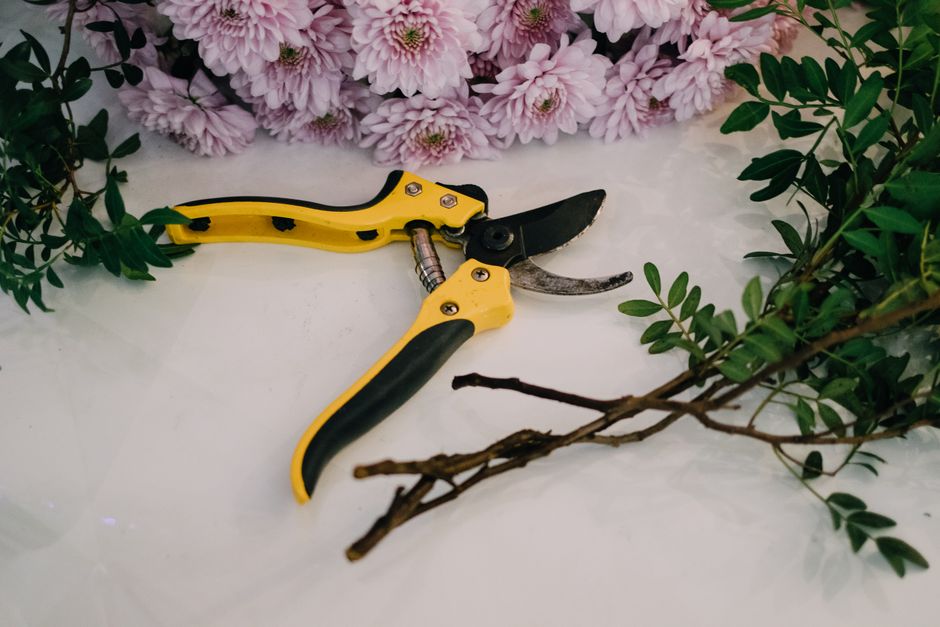
Pruning Chrysanthemums for Longer Indoor Blooms
Discover effective pruning techniques for chrysanthemums to ensure more vibrant and continuous blooms in your indoor garden.
 Plant Care
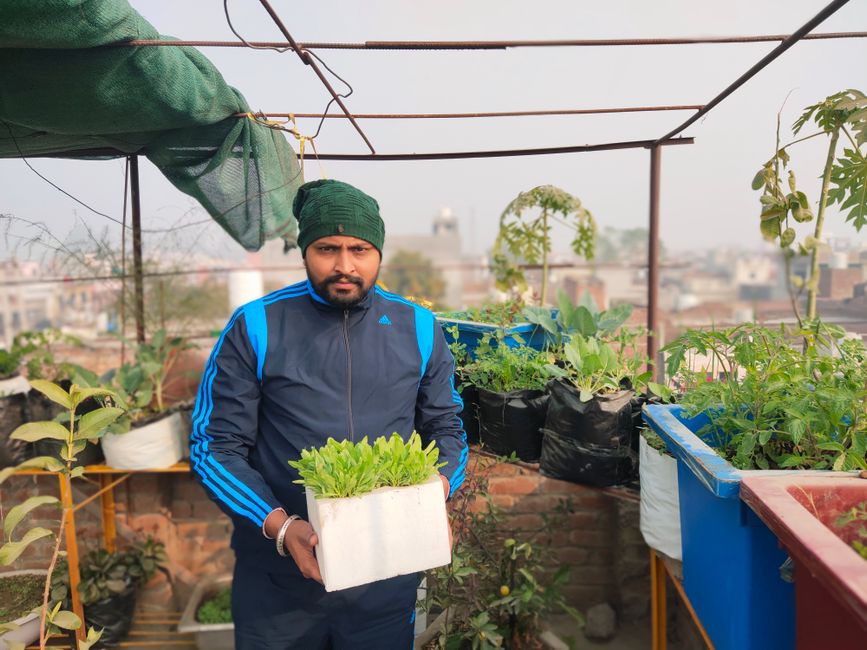
How to Grow Spinach Indoors: Fresh Leaves Year-Round
Learn how to grow fresh spinach indoors all year long, perfect for small spaces and a continuous harvest.
 Plant Care
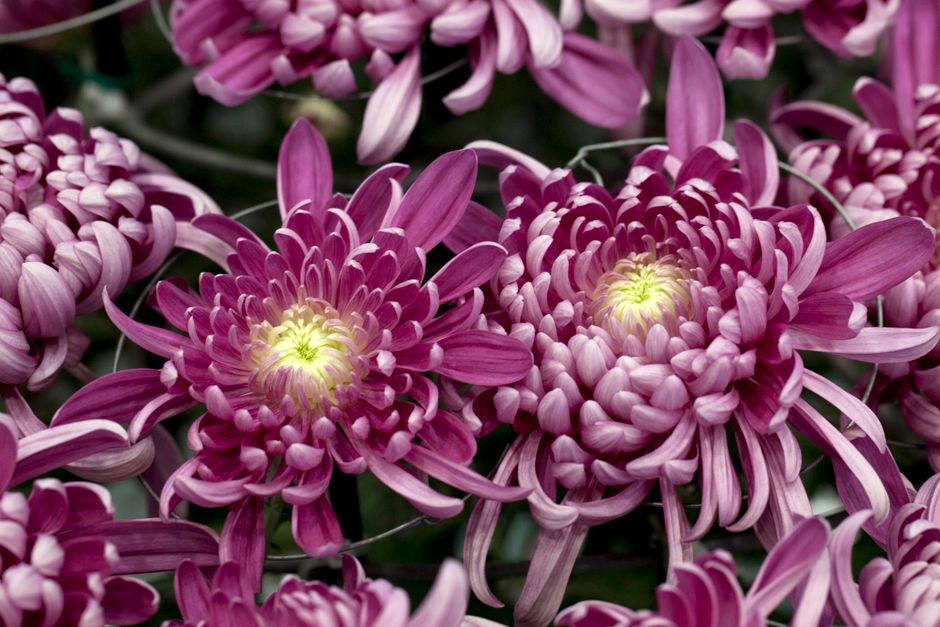
Indoor Chrysanthemum Care: Avoid This Common Mistake
Bringing chrysanthemums indoors for fall decor is popular, but many home growers make a key mistake that causes these vibrant plants to quickly decline.