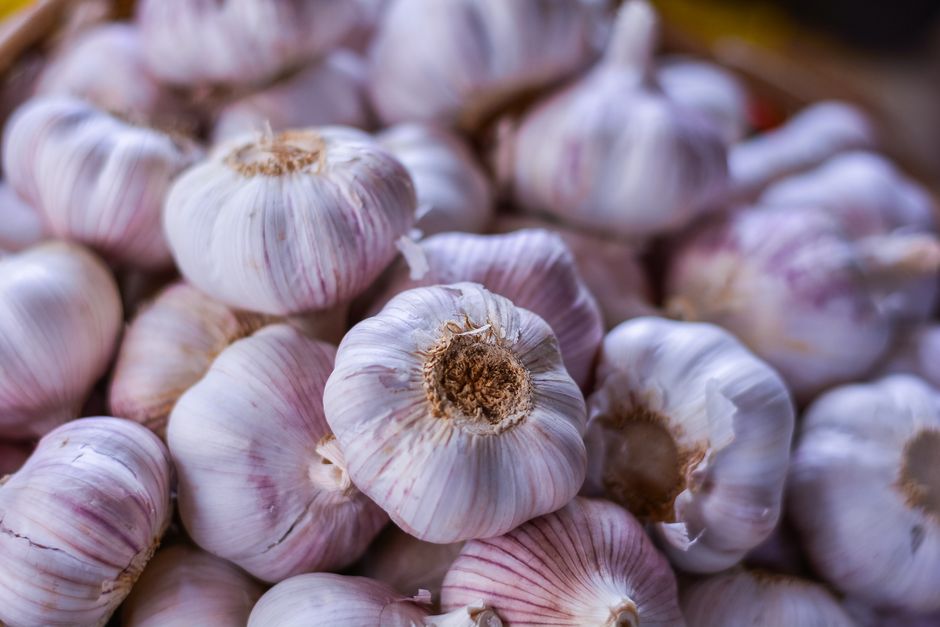
Growing Garlic Indoors: A Fall Planting Trick
Imagine fresh, pungent garlic at your fingertips, grown right in your kitchen or on your balcony. It’s not just a dream for backyard gardeners. You can absolutely enjoy the rewards of homegrown garlic even in a small space. We're talking about growing garlic indoors, which means cultivating garlic plants in pots or hydroponic setups inside your home, balcony, or other limited areas, often for culinary use or simply for the joy of gardening.
While many think of garlic as an outdoor crop, a clever planting strategy, particularly when done in the fall, can lead to surprisingly robust bulbs right in your home. This guide will walk you through how to adapt traditional garlic planting for an indoor environment, ensuring you get the best possible harvest.
Why Grow Garlic Indoors This Fall?
Growing garlic indoors offers a fantastic way to enjoy fresh, homegrown flavor year-round, extends your growing season, and makes the most of limited space. Fall is the ideal time to plant garlic, even indoors, because it allows the cloves to establish strong root systems during a cooler period, which is crucial for developing larger, healthier bulbs later on.
Opting for indoor container garlic lets you control environmental factors like temperature and light, protecting your plants from harsh weather and pests. Plus, there's immense satisfaction in harvesting your own aromatic garlic. It's a simple project that yields incredible culinary rewards for any home grower.
How to Plant Garlic Cloves in Containers for Big Bulbs
Planting garlic in containers involves selecting healthy cloves, preparing appropriate pots with good drainage, and providing sufficient growing space for each bulb. The key to successful container garlic, especially for getting a good bulb size, lies in giving each clove ample individual room.
Choosing Your Garlic Cloves
First, pick the right kind of garlic. Look for organic, disease-free garlic bulbs, ideally from a garden center or seed supplier, as supermarket garlic might be treated to inhibit sprouting. Hardneck varieties often produce a single, strong scape (flower stalk) and are preferred by some for their flavor, while softneck varieties tend to store longer and are easier to braid. Both can be grown indoors, but hardnecks generally benefit more from a cold period.
Pot Size Matters for Container Garlic
For each clove you plant, you'll need a pot that is at least 6-8 inches deep and wide. While you can plant multiple cloves in a larger container, ensuring each has its own generous space is vital for bigger bulbs. A 1-gallon pot per clove is a good target, or you can use a wider planter, making sure cloves are spaced 6-8 inches apart.
Soil and Drainage are Essential
Garlic thrives in well-draining, loose soil. Use a high-quality potting mix that drains quickly to prevent waterlogging, which can lead to rot. Ensure your chosen containers have ample drainage holes at the bottom. Adding a layer of small stones or perlite to the bottom of the pot can further improve drainage.
The Planting Process
- Gently break apart your chosen garlic bulb into individual cloves, leaving the papery skin intact.
- Fill your pots with potting mix, leaving about an inch of space from the rim.
- Plant each clove root-side down (the flatter, wider end) about 2-3 inches deep.
- Cover the cloves with soil and water thoroughly until water drains from the bottom.
A Clever Spacing Trick for Larger Bulbs
The secret to getting surprisingly large garlic bulbs in your indoor garden is to give them plenty of personal space. Unlike outdoor beds where garlic might be planted closer, indoor container growing benefits greatly from generous spacing. Aim for 6 to 8 inches of clear space between each planted clove, or use individual pots for each. This allows each plant's roots to fully develop without competing for nutrients, leading to larger, more robust bulbs.
Essential Conditions for Thriving Indoor Garlic
Successful indoor garlic requires adequate light, consistent watering, and proper nutrient feeding to flourish and produce good bulbs. Managing these conditions carefully will ensure your plants remain healthy throughout their long growing cycle.
Light Requirements
Garlic needs plenty of light to grow. Place your pots in a location that receives at least 6-8 hours of direct sunlight daily, such as a south-facing window. If natural light is insufficient, especially during shorter fall and winter days, supplement with LED grow lights. For guidance on choosing and using lights, check out our guides on LED Grow Light Specs and Set Your LED Grow Light Schedule for Happy Plants. Ensure your plants receive 12-14 hours of light from your grow lights for optimal growth.
Watering Your Container Garlic
Keep the soil consistently moist but never waterlogged. Stick your finger into the soil; if the top inch feels dry, it's time to water. Reduce watering slightly during any cool dormancy period, but increase it as green shoots emerge and growth accelerates. Overwatering is a common killer of indoor plants, so good drainage is crucial. When working with grow lights, always keep electrical timers and pumps away from water spills to prevent any safety hazards.
Nutrient Feeding for Strong Growth
Since your garlic is in a container, it will eventually deplete the soil's nutrients. Start feeding your plants a balanced liquid fertilizer about a month after planting. Follow the dosage instructions on your chosen nutrient bottle, typically feeding every 2-4 weeks during the active growing season. A fertilizer with a slightly higher nitrogen content early on supports leafy growth, switching to a more balanced or phosphorus-potassium-rich formula as bulbs begin to form.
Temperature and Humidity
Most garlic varieties benefit from a cool period (vernalization) to encourage bulb formation. If you're growing hardneck garlic, consider placing the planted cloves in a cool spot (around 40-50°F or 4-10°C) for 4-8 weeks after initial sprouting, or even pre-chill the cloves in your refrigerator for a few weeks before planting. After this, normal room temperatures (60-75°F or 15-24°C) are generally fine for the remainder of the growing cycle. Average indoor humidity levels are usually sufficient.
Can You Grow Garlic Hydroponically?
Yes, you can grow garlic hydroponically, but it is typically more suited for growing garlic greens (scapes) rather than large, mature bulbs. While it's possible to attempt full bulb development, it presents challenges related to space, nutrient cycling, and the plant's need for a vernalization period.
For garlic greens, hydroponics is an excellent choice. You can use systems like Deep Water Culture (DWC), Nutrient Film Technique (NFT), or even a simple Kratky setup. Plant individual cloves in net pots with an inert growing medium like rockwool or coco coir, ensuring the roots have access to a balanced hydroponic nutrient solution. Maintain proper pH and EC levels according to your nutrient manufacturer's guidelines. This method yields quick, flavorful garlic shoots that you can snip and enjoy, perfect for salads or stir-fries.
Harvesting Your Indoor Garlic
You can harvest your indoor garlic in a couple of ways, depending on what you're aiming for: fresh greens or mature bulbs. Harvesting at the right time ensures the best flavor and yield.
Harvesting Garlic Greens and Scapes
If you're growing for garlic greens, you can start snipping the leafy tops once they are a few inches tall, usually within 2-4 weeks of sprouting. Use sharp scissors and cut about an inch above the soil line. The plant will continue to produce more greens. For hardneck varieties, a flower stalk called a scape will emerge. These are delicious and should be cut when they form a curl, allowing the plant to redirect energy to bulb development.
Harvesting Garlic Bulbs
For mature bulbs, patience is key. Indoor garlic bulbs typically take 8-9 months from planting to mature. You'll know they're ready when the lower leaves begin to yellow and dry, usually in late spring or early summer. Don't wait until all the leaves are brown, as this can affect storage quality. Gently loosen the soil around the bulb with a trowel and carefully pull the entire plant out of the pot.
Curing Your Harvest
After harvesting, brush off excess soil, but do not wash the bulbs. Cure them by placing them in a well-ventilated, dry, and cool spot (like a garage or shed) for 2-4 weeks. Hang them in bundles or spread them out on a screen. Curing helps to harden the skin, concentrate flavors, and extend storage life. Once cured, trim the roots and stem (leaving an inch or two), and store your homegrown garlic in a cool, dark, dry place.
Final Thoughts
Don't let a small space stop you from enjoying the incredible flavor of homegrown produce. By understanding the needs of your plants and applying a few smart techniques, growing garlic indoors can be a surprisingly rewarding fall project. Get started today and enjoy fresh garlic from your very own MicroVeg garden!
Frequently Asked Questions
What type of garlic is best for indoor growing?
Softneck varieties often do well indoors as they don't always require a hard freeze for bulb development, though hardnecks can be grown if vernalized.
How long does it take to grow garlic indoors?
Growing full garlic bulbs indoors can take 8-9 months from planting, while garlic greens can be harvested in just a few weeks.
Do indoor garlic plants need a cold period?
For large bulb formation, many garlic varieties benefit from a cold period (vernalization) of several weeks, which can be simulated in a refrigerator before planting.
Can I grow garlic from a supermarket clove?
Yes, you can often grow garlic from organic, untreated cloves purchased from a supermarket, but treated cloves may not sprout reliably.
Explore More Plant Care Guides
 Plant Care
Indoor Garden Winter Prep: Key Tasks for Home Growers
Prepare your indoor garden for the colder months with essential tasks like harvesting, cleaning, and checking your grow lights for a thriving space.
 Plant Care
Joe Pye Weed: Grow This Tall Beauty in Your Small Space
Bring the tall, pollinator-attracting beauty of Joe Pye Weed to your balcony, patio, or bright indoor space with these container gardening tips.
 Plant Care
Transplant Seedlings Indoors: Grow Stronger Plants
Give your indoor seedlings the best start by learning the right way to transplant them for robust growth and abundant harvests.