Heat Wave Plant Care: 7 Things Never to Do
Summer weather can push container plants, balcony greens, and windowsill perennials to their absolute limits. Practicing smart heat wave plant care keeps your potted crops alive when ambient temperatures spike inside and outside your home. When intense heat strikes, avoiding common maintenance mistakes is just as critical as watering properly.
Why Is Heat Wave Plant Care Different for Container Plants?
Container plants experience heat stress much faster than deep-rooted garden plants growing directly in native soil. Potted soil absorbs ambient heat quickly, cooking delicate feeder roots sitting right against plastic or ceramic container walls.
Indoor plants, balcony pots, and small hydroponic reservoirs hold limited water reserves that evaporate within hours under severe heat. Soil volume in pots is small, which means root temperatures swing dramatically throughout hot summer afternoons.
Understanding these container dynamics helps you alter your care routine immediately when hot weather arrives. Avoiding key mistakes will protect balcony plants from heat without causing unintended moisture or thermal shock damage.
Don't Prune or Cut Back Stressed Leaves During Hot Spells
Pruning during heat wave conditions weakens potted plants when they are already struggling to survive high thermal stress. Trimming off leaves forces the plant to spend valuable moisture and metabolic energy trying to heal wounded stem tissue.
Damaged, wilted, or crispy leaves still serve a critical protective purpose for container perennials and indoor herbs. Leaves shield lower stems and pot soil surfaces from direct radiant heat, keeping the root zone slightly cooler.
Wait until cool night temperatures return and soil moisture stabilizes before reaching for your pruning shears. Trimming foliage too early will only exacerbate container gardening heat stress across your balcony or windowsill display.
What to Do With Sunburned Foliage Instead
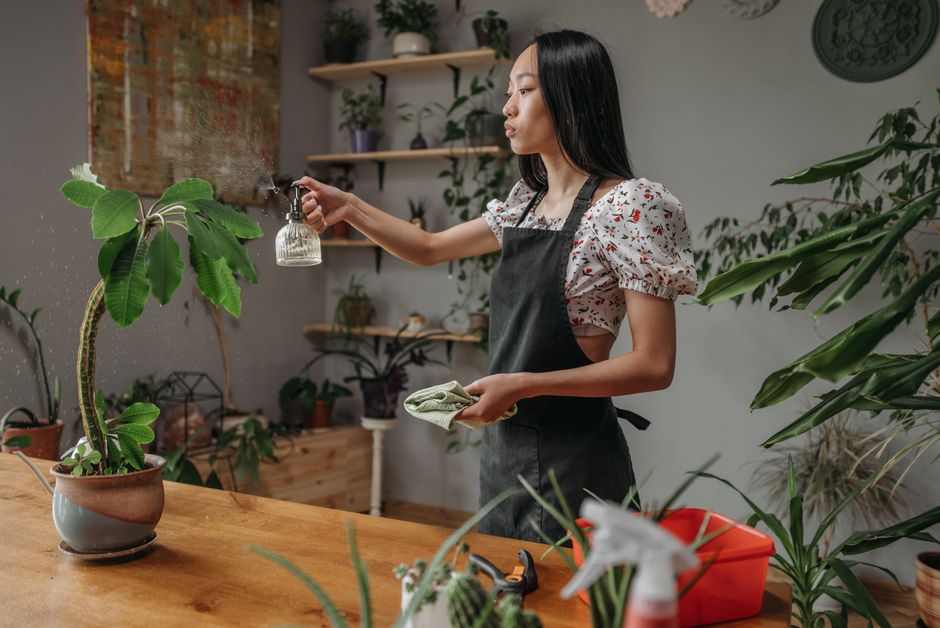
Leave scorched or yellowing leaves attached to the main stem until hot conditions fully subside. You can gently mist surrounding air to increase ambient humidity without soaking leaves in direct, blazing sun rays.
If leaves show severe brown crisping, check if moisture imbalance or heat burn is the main culprit. You can learn more about foliage discoloration by checking our guide on hydrangea leaves turning brown for similar visual symptoms and remedies.
Never Fertilize Potted Plants When Temperatures Surge
Applying fertilizer during peak heat spikes damages root systems and severe thermal stress prevents proper nutrient uptake. Salt building up from synthetic fertilizers strips moisture directly out of root tissue when soil dries out quickly.
Plants enter a survival state during intense heat, slowing down photosynthesis and active growth. Feeding them extra nutrients during this resting phase causes severe leaf burn and root burn.
Resume your normal liquid fertilizer routine only after the heat wave passes and soil stays consistently moist. Always follow the low dosage instructions on your nutrient bottle when feeding potted crops after hot weather subsides.
Managing Moisture Shock and Calcium Deficits
Irregular watering during extreme heat disrupts how roots pull essential minerals like calcium out of pot soil. When potted roots dry out and get re-soaked repeatedly, plant cell walls weaken and leaf tips turn brown.
This classic moisture roller coaster causes severe physiological stress in fruiting container crops as well as leafy perennials. If you grow potted vegetables on hot balconies, review our guide to stop tomato blossom end rot to keep fruit healthy during thermal swings.
Don't Water Plants at the Warmest Peak of the Day
Watering plants during heat wave mid-days causes rapid water evaporation and risks thermal root shock in warm pots. Hot afternoon sunlight rapidly heats moisture on foliage, while cool tap water dumped into hot potting soil shocks delicate feeder roots.
Aim to water your container plants in the early morning before sunlight hits your balcony or windowsill. Morning watering allows roots to drink deeply, hydrating plant tissues before hot afternoon air builds up.
If your plants show extreme wilting in the afternoon, move them into shaded indoor areas immediately. Give them a gentle soak in lukewarm water rather than flooding hot outdoor containers with cold hose water.
Always keep electrical light timers, ventilation fans, and hydroponic air pumps elevated off the floor to prevent water spills from causing dangerous electrical short circuits.
Don't Leave Dark Containers Exposed to Direct Afternoon Sun
Black plastic pots and metal containers absorb massive amounts of radiant heat when left in direct summer sunlight. Potting mix inside dark pots can reach dangerously high temperatures, effectively boiling fragile root structures within hours.
Shifting pots away from hot brick walls and concrete balconies prevents heat from radiating into the root zone. Concrete retaining walls and stone balconies hold heat long into the night, keeping pot roots hot after sunset.
Use temporary shading strategies to shield container bases while maintaining good air movement across foliage:
- Cluster potted containers together in shaded balcony corners to create cooler microclimates.
- Wrap dark plastic containers in white towels, burlap, or light-colored shade cloth to reflect heat rays.
- Double-pot sensitive perennials by placing smaller pots inside larger decorative pots buffered by mulch.
- Elevate pots off hot concrete surfaces using wooden plant stands or pot feet to encourage airflow underneath.
Don't Repot or Divide Perennials During Extreme Heat
Repotting, dividing, or disturbing roots during hot spells inflicts severe transplant shock that many container plants cannot survive. Root systems damaged during repotting lose their ability to draw water fast enough to cool leaf surfaces.
Even if a plant appears root-bound or dries out quickly, hold off on repotting until cooler seasonal weather arrives. Instead, focus on providing consistent moisture, temporary shade, and shelter from wind to pull plants through heat spikes.
Keep pot soil top-dressed with a thin layer of organic mulch like coconut coir or bark chips. Soil mulch prevents moisture loss from the top layer without disturbing delicate root networks underneath.
How to Handle Indoor Plant Heat Stress Near Windows
Indoor plants sitting behind sunny glass windows face double heat threats from magnified light and trapped indoor warm air. Double-pane windows act like magnifying lenses, raising local microclimate temperatures significantly above room levels.
Move tropical indoor plants and windowsill herbs back a few feet from window glass during summer heat waves. Closing sheer curtains during peak sun hours cuts intense light intensity while maintaining ambient room lighting.
If you run grow lights over indoor herbs or microgreens, adjust your lighting schedules to run during cooler night hours. Running LED fixtures overnight reduces daytime heat accumulation in small grow rooms or enclosed indoor tents.
Final Thoughts
Protecting your container garden through summer temperature spikes requires patience, shade, and gentle care adjustments. By avoiding heavy pruning, mid-day watering, and mid-summer fertilizing, your heat wave plant care strategy will keep your favorite potted crops thriving safely. Explore our complete collection of indoor gardening guides on MicroVeg to master year-round container plant care.
Frequently Asked Questions
Should you water wilted container plants immediately in hot sun?
It is best to move wilted pots into complete shade before watering with room-temperature water. Pouring cold water into baking-hot soil can cause root shock.
Can LED grow lights overheat indoor plants during a heat wave?
Yes, grow light drivers and fixtures generate ambient room heat that adds to summer warmth. Run your grow lights during cool night hours to keep grow room temperatures stable.
Is misting plant leaves helpful during extreme heat spikes?
Misting surrounding air raises humidity around balcony plants, but misting foliage in direct afternoon sunlight can cause leaf scorching. Mist early in the morning or shade plants before misting.
How do you protect balcony pots from hot concrete floors?
Place wooden stands, pot feet, or outdoor risers under your containers to elevate them above hot hardscapes. Raising pots creates insulating airflow underneath the root zone.
Explore More Plant Care Guides
 Plant Care
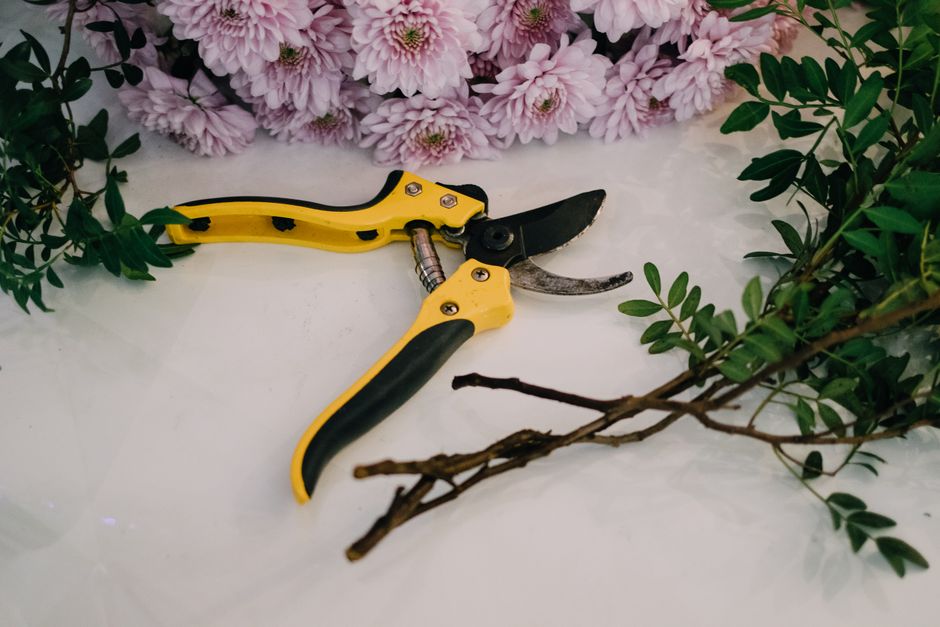
Pruning Chrysanthemums for Longer Indoor Blooms
Discover effective pruning techniques for chrysanthemums to ensure more vibrant and continuous blooms in your indoor garden.
 Plant Care
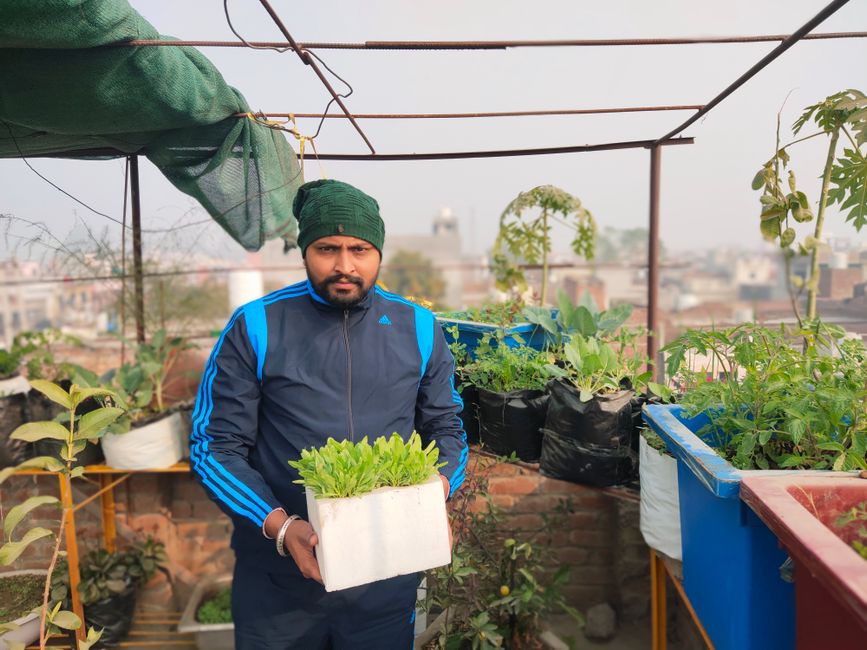
How to Grow Spinach Indoors: Fresh Leaves Year-Round
Learn how to grow fresh spinach indoors all year long, perfect for small spaces and a continuous harvest.
 Plant Care
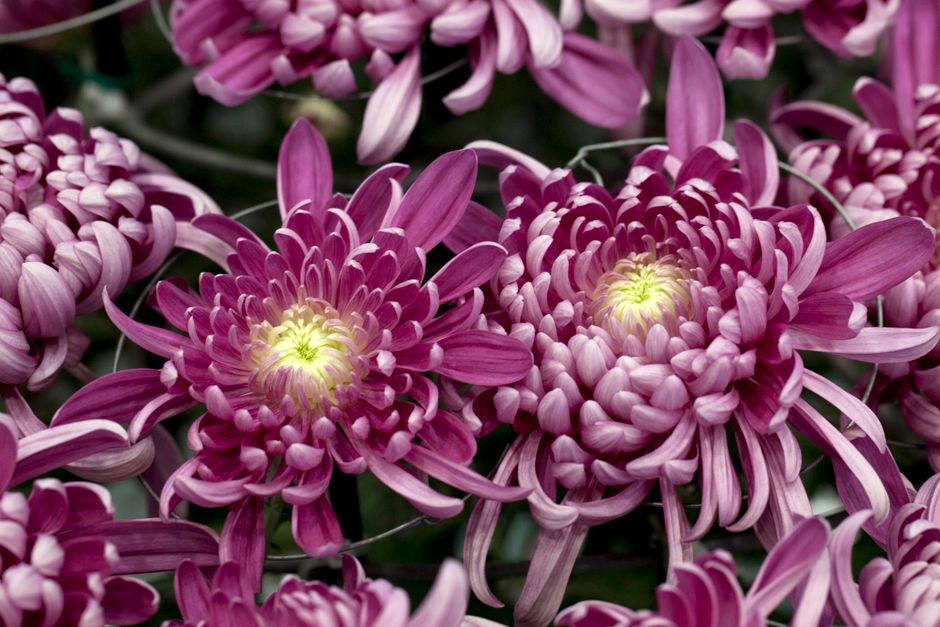
Indoor Chrysanthemum Care: Avoid This Common Mistake
Bringing chrysanthemums indoors for fall decor is popular, but many home growers make a key mistake that causes these vibrant plants to quickly decline.