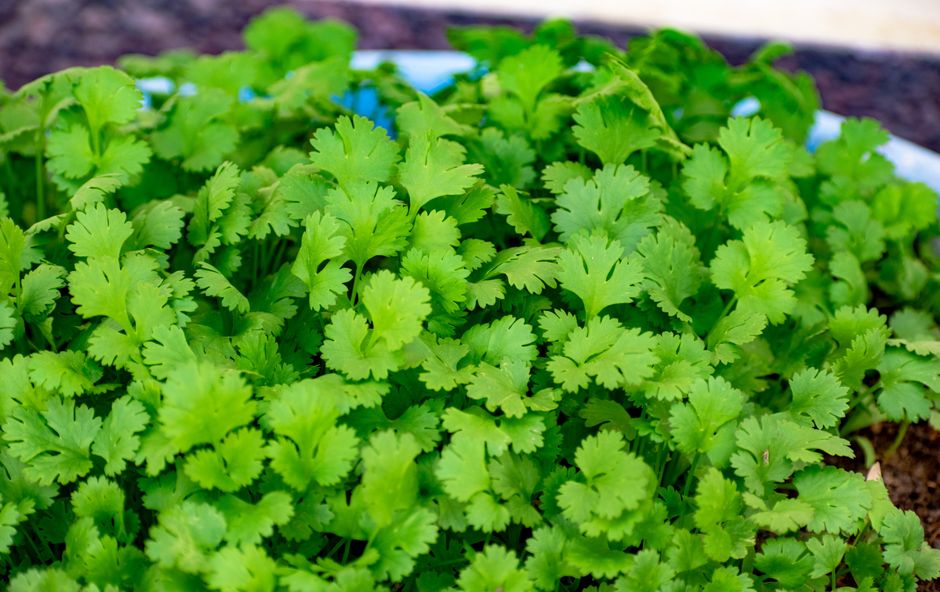
How to Grow Cilantro Indoors: Easy Step-by-Step Guide
Fresh cilantro brings bright, clean flavor to home cooking, but buying plastic clamshells at the grocery store gets expensive fast. Learning how to grow cilantro indoors gives you a steady supply of fresh leaves right from your windowsill or shelf. With the right light, deep pots, and proper harvesting techniques, you can keep fresh herb pots healthy all year.
Why Is Cilantro Hard to Grow Indoors?
Cilantro has a natural tendency to bolt, which means it shoots up flowers and seeds quickly when stressed. Indoor environments often trigger this premature flowering because rooms get too warm or windows lack strong light. When the plant bolts, the leaves become thin, sparse, and bitter.
The plant also develops a long taproot that needs plenty of vertical soil space to stretch. When the root hits the bottom of a shallow pot, the plant senses space constraints and stops producing leaf growth. Giving your plant the space it needs from day one prevents this root restriction.
Indoor air can also be dryer than outdoor garden beds. Low air humidity combined with direct heat from home radiators stresses the foliage. Keeping your pots away from hot air vents maintains leaf texture and delays flowering.
Preventing Indoor Cilantro from Bolting
To keep your green leaves soft and flavorful, maintain cool growing conditions inside your home. Keep your plant containers away from heating vents, radiators, and hot south-facing glass during peak summer months. Room temperatures that feel comfortable to you are generally fine, but cooler corners of the house are ideal.
What Soil and Container Are Best for Indoor Cilantro?
Cilantro grows best in a deep pot with drainage holes and a lightweight, well-draining potting mixture. Standard indoor potting soils work well when combined with perlite to improve drainage. Heavy garden soil should be avoided because it packs down in containers and suffocates the taproot.
Select a pot that allows room for root development. Shallow window boxes are fine for small leafy salad greens, but cilantro demands extra depth. Ensure the container has drainage holes at the base so excess water can exit freely.
Here are the core supplies you need to start your pots:
- A container with bottom drainage holes that measures eight to ten inches deep.
- A standard loose indoor potting mix blended with extra perlite.
- Coriander seeds, which are actually dry husks containing two seeds inside.
- A saucer to catch excess water under the container tray.
How to Grow Cilantro Indoors from Seed
Sow seeds directly into their final container because cilantro taproots hate being disturbed by transplanting. Gently crush the outer husk of the coriander seed between two fingers or roll them lightly on a hard surface. Cracking open the outer shell helps water enter the seed, which speeds up germination.
Press the seeds half an inch deep into moist soil and space them an inch apart. Cover them loosely with soil and press down gently to ensure good seed contact. Keep the surface soil damp until green shoots emerge from the soil surface.
Managing Soil Moisture for Seedlings
Keep the top layer of soil evenly moist during germination using a gentle spray bottle. If you are starting seeds near a light fixture, check our guide on When to Put Seedlings Under Grow Lights to prevent young shoots from stretching out. Once seedlings emerge, reduce watering frequency so the top layer of soil dries slightly between waterings.
Always keep electrical outlets, power strips, and light cords completely dry when misting seedlings to prevent electrical hazards. Once seedlings develop two sets of true leaves, thin them out so remaining stems sit two to three inches apart.
How Much Light Does Indoor Cilantro Need?
Indoor cilantro needs four to six hours of bright direct sun or up to fourteen hours under supplemental light fixtures daily. Natural light from a windowsill is often insufficient during winter months, causing stems to become weak, tall, and leggy. Adding simple artificial lighting keeps growth dense and stocky.
Position your light fixture a safe distance above the tops of the plants to avoid heating the foliage. Check fixture guidelines or explore our overview on the LED Grow Light Schedule to set consistent light timers. Running lights on an automatic timer keeps the plants on a regular cycle without extra daily effort.
How to Harvest Cilantro so It Keeps Growing?
Harvest cilantro by cutting the outer stems near the base once the plant reaches six inches in height. Leave the central core stems intact so the plant continues producing fresh leaves from the middle. This cut and come again method extends your harvest over many weeks.
Avoid trimming more than one third of the total plant foliage during a single harvest session. Stripping too many leaves at once starves the root system and triggers early flowering. Regular light harvesting encourages the plant to bush out with thicker leafy stems.
Follow these simple guidelines for clean and healthy harvests:
- Use sharp clean snips or scissors to avoid tearing the delicate stems.
- Trim outer stems first, leaving central foliage to continue developing.
- Harvest right before cooking for maximum aroma and fresh flavor.
- Rinse fresh harvested leaves thoroughly under cool tap water before eating.
Why Are Indoor Cilantro Leaves Turning Yellow?
Yellow foliage on indoor cilantro usually indicates overwatering, lack of light, or nutrient depletion in the soil mix. Overwatering drowns root hairs and prevents the plant from absorbing oxygen, causing lower leaves to turn pale yellow. Allow the top inch of soil to dry out before adding more water.
If stems are thin and pale yellow throughout, your plant is likely struggling to get enough light energy. Move the pot to a brighter location or adjust your overhead lighting setup. Applying a diluted organic liquid fertilizer once every few weeks also supports steady green leaf production.
Final Thoughts
Learning how to grow cilantro indoors allows you to harvest fresh herbs whenever you need them for cooking. By providing deep containers, cool room temperatures, and adequate lighting, you can prevent bolting and enjoy steady harvests. Check out our other MicroVeg guides to discover more herbs and small space plants you can grow at home.
Frequently Asked Questions
Can indoor cilantro regrow after cutting?
Yes, cilantro regrows after harvesting if you cut the outer stems and leave the central growth core intact.
How long does cilantro take to grow indoors from seed?
Cilantro seeds usually germinate within 7 to 14 days and produce harvestable leaves in 40 to 50 days.
Does indoor cilantro need direct sunlight?
Indoor cilantro needs bright sunlight or dedicated grow lights for up to 14 hours daily to grow dense leaves without getting leggy.
Should you soak cilantro seeds before planting indoors?
Soaking cilantro seeds in water for 12 to 24 hours before planting softens the tough outer husk and improves germination speed.
Explore More Plant Care Guides
 Plant Care
Pruning Chrysanthemums for Longer Indoor Blooms
Discover effective pruning techniques for chrysanthemums to ensure more vibrant and continuous blooms in your indoor garden.
 Plant Care
How to Grow Spinach Indoors: Fresh Leaves Year-Round
Learn how to grow fresh spinach indoors all year long, perfect for small spaces and a continuous harvest.
 Plant Care
Indoor Chrysanthemum Care: Avoid This Common Mistake
Bringing chrysanthemums indoors for fall decor is popular, but many home growers make a key mistake that causes these vibrant plants to quickly decline.