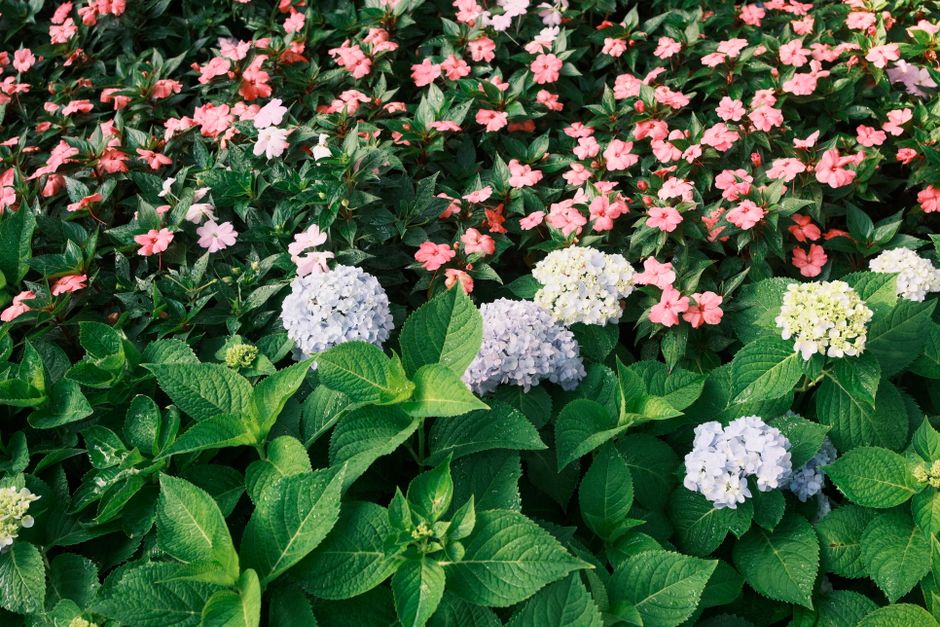
Hydrangea Companion Plants: 9 Great Container Pairings
Adding hydrangea companion plants to your container garden brings rich texture and color to your patio or balcony setup. Hydrangeas have shallow root systems and high moisture demands, which means their pot mates must share those exact light and water preferences. In this practical guide, we cover nine excellent shade-loving perennials that thrive alongside potted hydrangeas, plus one plant you should keep out of your containers.
Why Hydrangea Companion Plants Work So Well in Containers
Combining plants in large pots creates a fuller appearance while protecting the soil from quick evaporation. Hydrangeas need steady moisture and dappled sunlight, so companion plants act as a living mulch over the soil surface. They shield the soil from harsh air currents and keep the root zone cooler on hot afternoons.
When you group potted plants with matching needs, you make daily watering and feeding simple. Shallow-rooted perennials sit nicely in the top layer of soil without competing with the main hydrangea roots. If your shrub ever shows signs of stress, take a look at our troubleshooting guide for hydrangea leaves turning brown to keep your container setup healthy.
Matching growth habits is the key to potted success. Tall hydrangeas provide canopy shade for lower leafy plants, while trailing perennials cascade over the container edge. This creates a multi-layered arrangement that maximizes growing space in tight balcony setups.
9 Best Perennials to Plant with Hydrangeas in Pots
Selecting perennials for container arrangements requires picking varieties that handle partial shade and damp soil. Here are nine great choices that pair beautifully with container hydrangeas.
Leafy Companions for Moisture and Shade
1. Hostas: Hostas are classic shade lovers with broad, colorful leaves. Small to medium hosta varieties fit easily into the base of a wide container. They love damp soil and morning sunlight, making them perfect neighbors for potted hydrangeas.
2. Coral Bells (Heuchera): Coral bells feature vibrant foliage in purple, bronze, and bright lime hues. Their shallow root systems fill in empty soil spots without crowding the main hydrangea root ball. Their leaf color adds contrast even when the main shrub is not in bloom.
3. Japanese Painted Ferns: Ferns bring delicate, feathery textures to contrast the broad leaves of your hydrangea. Japanese painted ferns add silver and burgundy tones to shady pots while enjoying steady moisture.
4. Japanese Forest Grass: This cascading grass adds soft movement to container borders. It thrives in partial shade and tolerates damp potting soil while draping neatly over the rim of the pot.
Blooming Perennials for Added Color
5. Astilbe: Astilbe produces tall, feathery plumes of red, pink, or white flowers. It thrives in moist potting mix and light shade, blooming alongside your hydrangea during early summer.
6. Foamflower (Tiarella): Foamflower offers low star-shaped flowers and attractive heart-shaped leaves. It fills the bottom tier of your container and covers bare soil easily without robbing nutrients.
7. Siberian Bugloss (Brunnera): Brunnera has silver-patterned leaves and small blue flowers in spring. It enjoys consistent moisture and cool root zones under larger hydrangea branches.
8. Bleeding Heart (Dicentra): Bleeding hearts bloom in early spring before your hydrangea reaches full leaf canopy. As the bleeding heart foliage dies back in midsummer, the expanding hydrangea fills the space naturally.
9. Creeping Jenny (Lysimachia): This bright chartreuse vine spills over container edges quickly. It acts as a living ground cover that insulates the container soil on warm summer days.
The One Plant to Keep Away from Hydrangeas
Never plant Mediterranean herbs like lavender, rosemary, or thyme in the same container as a hydrangea. Lavender requires dry, lean soil and full afternoon sun to stay healthy. It suffers when planted in rich, moist potting mix.
Hydrangeas need moist potting soil and protection from scorching midday sun. If you put lavender and hydrangeas in the same container, one of them will quickly rot or wither away due to improper soil moisture.
Aggressive spreaders like mint should also be kept in separate containers. Mint root systems quickly wrap around hydrangea roots and choke out moisture, leaving your main shrub struggling for water and food.
Container Care and Soil Tips for Hydrangea Pairings
Growing multiple perennials in one container requires thoughtful potting practices. Start with a wide container that has clear drainage holes at the bottom to prevent standing water.
Use a high quality potting mix designed to hold moisture without becoming waterlogged. Follow the dosage instructions on your fertilizer package during the growing season to feed both plants equally without causing salt buildup.
Always keep electrical cords for pumps, timers, or grow lights safely out of the path of drainage runoff when caring for patio setups. If heat sets in during midsummer, read our guide on heat wave plant care to protect your containers from heat shock.
How to Pot Your Hydrangea Companion Plants Step by Step
Setting up a mixed container correctly gives your plants room to grow without crowding. Follow these basic steps to assemble your planter:
- Pick a heavy container at least 18 to 24 inches wide with adequate drainage holes.
- Fill the bottom half of the pot with a light potting mix rich in organic matter.
- Set the hydrangea slightly off-center or in the back center of the container.
- Position two to three low companion perennials around the front edges of the pot.
- Fill in remaining gaps with fresh potting soil and press down gently around the base of each stem.
- Water deeply until excess water drains out the bottom of the pot.
Final Thoughts
Choosing the right hydrangea companion plants turns simple patio containers into lush displays. Stick with shade-loving perennials that prefer damp soil to create a balanced container garden. Explore more MicroVeg guides to discover fresh container gardening tips for every space.
Frequently Asked Questions
Can you plant perennials in the same pot with a hydrangea?
Yes, you can plant perennials in the same container as long as they share similar shade and moisture requirements.
Do container hydrangeas need full sun?
No, most container hydrangeas prefer morning sun with afternoon shade to keep their leaves from scorching.
How large should a container be for a hydrangea and companion plants?
Use a container that is at least 18 to 24 inches wide with drainage holes to give root systems enough space.
Why is lavender bad to plant with hydrangeas?
Lavender requires dry soil and full afternoon sun, while hydrangeas need consistent soil moisture and partial shade.
Explore More Plant Care Guides
 Plant Care
Pruning Chrysanthemums for Longer Indoor Blooms
Discover effective pruning techniques for chrysanthemums to ensure more vibrant and continuous blooms in your indoor garden.
 Plant Care
How to Grow Spinach Indoors: Fresh Leaves Year-Round
Learn how to grow fresh spinach indoors all year long, perfect for small spaces and a continuous harvest.
 Plant Care
Indoor Chrysanthemum Care: Avoid This Common Mistake
Bringing chrysanthemums indoors for fall decor is popular, but many home growers make a key mistake that causes these vibrant plants to quickly decline.