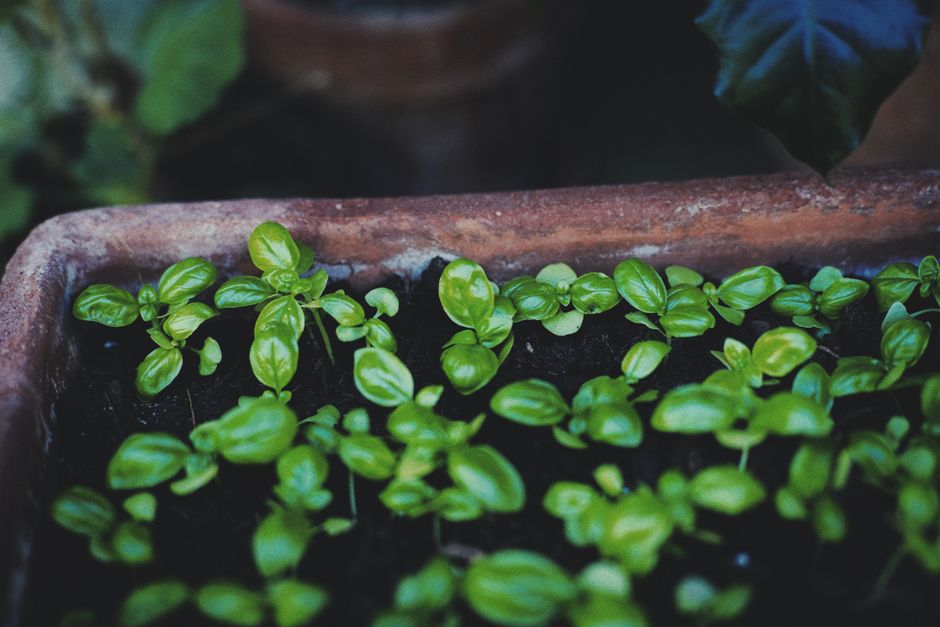
Indoor Fall Planting: Extend Your Fresh Harvests
When the outdoor garden beds start to slow down and the leaves begin to turn, many home growers assume it's time to put away their gardening tools. But for those with a passion for fresh produce and a bit of indoor space, fall signals the perfect opportunity to kickstart a new growing season. This is where indoor fall planting comes in. It is the practice of sowing seeds or setting up plants indoors during the autumn months to ensure a continuous supply of fresh vegetables, herbs, and microgreens right through winter and into early spring.
Transforming a corner of your home into a thriving indoor garden lets you defy the changing seasons. You can keep enjoying homegrown flavors, no matter how chilly it gets outside. It's a smart way to maximize your growing efforts and enjoy the benefits of fresh, healthy food all year long.
Why Bother with Indoor Fall Planting?
Indoor fall planting offers several compelling advantages for the modern home grower. It allows you to extend your harvesting period far beyond what outdoor weather permits, providing fresh produce during months when garden centers might be sparse or expensive.
Imagine picking your own salad greens in January. That's the power of moving your gardening indoors for the cooler seasons. Beyond a continuous supply of food, indoor growing means better control over your plants' environment. You can protect them from harsh frosts, heavy rains, and outdoor pests that might decimate an autumn garden.
This approach is especially beneficial for small-space gardeners, balcony growers, and anyone interested in hydroponics. Your indoor setup becomes a controlled ecosystem, ensuring optimal conditions for growth. You're not just growing food; you're creating a sustainable source of nutrition and a vibrant green space within your home. To learn more about setting up for the colder months, check out our guide on Start Your Winter Indoor Garden: Cold-Hardy Harvests.
What Vegetables Are Best for Indoor Fall Planting?
When planning your indoor fall planting, focus on cool-season crops that thrive with consistent indoor temperatures and the help of supplemental lighting. These plants generally mature quickly or offer a 'cut-and-come-again' harvest, making them perfect for continuous indoor production.
Top 5 Picks for Your Indoor Fall Garden
Here are five excellent choices that adapt well to hydroponic systems, containers, or vertical gardens indoors:
-
Lettuce and Mixed Salad Greens: These are arguably the kings of indoor growing. Varieties like loose-leaf lettuce, butterhead, and mesclun mix grow quickly and don't require much space. You can harvest the outer leaves regularly for a continuous supply of fresh salads. They do well in shallow trays or hydroponic channels.
-
Spinach: Similar to lettuce, spinach is a nutrient-dense leafy green that thrives in cooler indoor temperatures. It's excellent for both fresh eating and light cooking. Look for varieties suitable for container growing, and you can enjoy multiple harvests by picking the larger outer leaves.
-
Radishes: If you're looking for a fast-growing root crop, radishes are an exciting choice for indoor fall planting. They can go from seed to harvest in as little as three to four weeks. While they need a slightly deeper container than leafy greens, many varieties are compact enough for indoor growing. Just make sure their roots have room to expand.
-
Dwarf Carrots: For a more adventurous root crop, consider dwarf or 'mini' carrot varieties. These types are bred for smaller spaces and will mature in containers that are at least 6-8 inches deep. While they take a bit longer than radishes, the satisfaction of pulling your own tiny, sweet carrots from an indoor pot is immense. Ensure consistent moisture for healthy root development.
-
Swiss Chard: This vibrant leafy green offers both beauty and bounty. Swiss chard is incredibly versatile and resilient, making it a fantastic choice for indoor gardening. Its colorful stems can brighten up your grow space, and like lettuce and spinach, it's a cut-and-come-again crop. Harvest the outer leaves to encourage new growth from the center.
Essential Setup for Your Fall Indoor Garden
To successfully grow plants indoors during fall and winter, you need to create an environment that mimics their ideal growing conditions. This includes providing adequate light, nutrients, a suitable growing medium, and stable temperatures.
The core components of a successful indoor setup are surprisingly simple. You will need a place for your plants, a way to deliver light, and a system for feeding them. Even a small shelf can become a productive garden with the right equipment.
When setting up your indoor garden, always prioritize safety. Keep electrical timers, pumps, and light fixtures away from water spills to prevent hazards. Use drip trays under containers to catch excess water and protect your surfaces.
-
LED Grow Lights: As natural daylight wanes in fall and winter, supplemental lighting is crucial. LED grow lights are highly efficient and provide the full spectrum of light plants need without excessive heat. Adjust the light height and duration according to your plants' needs and the manufacturer's recommendations. Most leafy greens need 12-16 hours of light per day.
-
Hydroponic System or Containers: For hydroponic growers, a simple deep water culture (DWC) system, an ebb and flow setup, or a nutrient film technique (NFT) channel can work wonders for leafy greens. For traditional container growing, choose pots with good drainage. Ensure they are sized appropriately for your chosen crop; deeper for roots like carrots, shallower for leafy greens.
-
Nutrients and Water: Hydroponic plants require a balanced liquid nutrient solution. Follow the dosage instructions on your chosen nutrient bottle, adjusting for the growth stage of your plants. For soil-based container plants, use a high-quality potting mix and water when the top inch of soil feels dry. Always use filtered or dechlorinated water if possible.
-
Temperature and Humidity: Most cool-season vegetables thrive in consistent indoor temperatures between 60-70°F (15-21°C). Maintain good air circulation with a small fan to prevent fungal issues and strengthen plant stems. While humidity isn't usually a major concern for these crops indoors, extremely dry air might warrant occasional misting or a humidity tray.
Tips for Success with Indoor Fall Planting
Achieving a bountiful harvest from your indoor fall planting involves consistent care and attention to detail. Success hinges on a few key practices that ensure your plants stay healthy and productive.
Pay close attention to your plants daily. This helps you catch any issues early, whether it is a nutrient deficiency, a pest, or a watering problem. Regular observation is your best tool for a thriving indoor garden.
-
Seed Starting: Always start with good quality seeds. For most leafy greens and radishes, you can sow seeds directly into your chosen growing medium or hydroponic system. Follow package instructions for depth and spacing. Germination mats can help speed up the process in cooler rooms.
-
Watering and Nutrient Management: Overwatering is a common mistake in container gardening. Always check the moisture level before adding more water. For hydroponic systems, regularly monitor the nutrient solution's level and pH. Imbalances can lead to issues like brown hydroponic roots, which can quickly harm your plants. Replace your nutrient solution regularly, typically every 1-2 weeks, to keep it fresh and balanced.
-
Pest Control: Indoor gardens can still attract pests, though often fewer than outdoors. Inspect your plants regularly for signs of aphids, spider mites, or fungus gnats. Address any infestations promptly with organic pest control methods like insecticidal soap or neem oil, or by simply wiping them away.
-
Harvesting Techniques: For 'cut-and-come-again' crops like lettuce, spinach, and Swiss chard, harvest only the outer, larger leaves. This encourages the plant to continue producing new growth from the center, giving you a longer harvest period. For radishes and carrots, harvest when they reach their mature size, usually indicated by a slight bump at the soil line for radishes.
Final Thoughts
Embracing indoor fall planting allows you to extend the joy and bounty of gardening into the colder months. With a little planning and the right setup, you can enjoy fresh, homegrown vegetables and herbs from your indoor fall planting efforts, making your home a vibrant oasis year-round. Don't let the end of summer mean the end of your gardening journey; instead, see it as an opportunity to explore new indoor possibilities. Ready to grow more? Explore our other MicroVeg guides for more tips and inspiration.
Frequently Asked Questions
What is the best way to start seeds for indoor fall planting?
The best way to start seeds for indoor fall planting is by sowing them directly into your chosen containers or hydroponic medium, ensuring they have good quality light and consistent moisture for germination.
How much light do indoor fall plants need?
Most indoor fall plants, especially leafy greens and cool-season vegetables, thrive with 12-16 hours of supplemental LED grow light per day to compensate for shorter natural daylight hours.
Can I use regular potting soil for indoor fall planting?
Yes, you can use a high-quality, sterile potting mix specifically designed for containers, ensuring it provides good drainage and aeration for your indoor fall plants.
How do I prevent pests in my indoor fall garden?
To prevent pests, regularly inspect your indoor fall garden for any signs of infestation, maintain good air circulation, and address any issues quickly with organic methods like wiping away pests or using insecticidal soap.
Explore More Plant Care Guides
 Plant Care
Pruning Chrysanthemums for Longer Indoor Blooms
Discover effective pruning techniques for chrysanthemums to ensure more vibrant and continuous blooms in your indoor garden.
 Plant Care
How to Grow Spinach Indoors: Fresh Leaves Year-Round
Learn how to grow fresh spinach indoors all year long, perfect for small spaces and a continuous harvest.
 Plant Care
Indoor Chrysanthemum Care: Avoid This Common Mistake
Bringing chrysanthemums indoors for fall decor is popular, but many home growers make a key mistake that causes these vibrant plants to quickly decline.