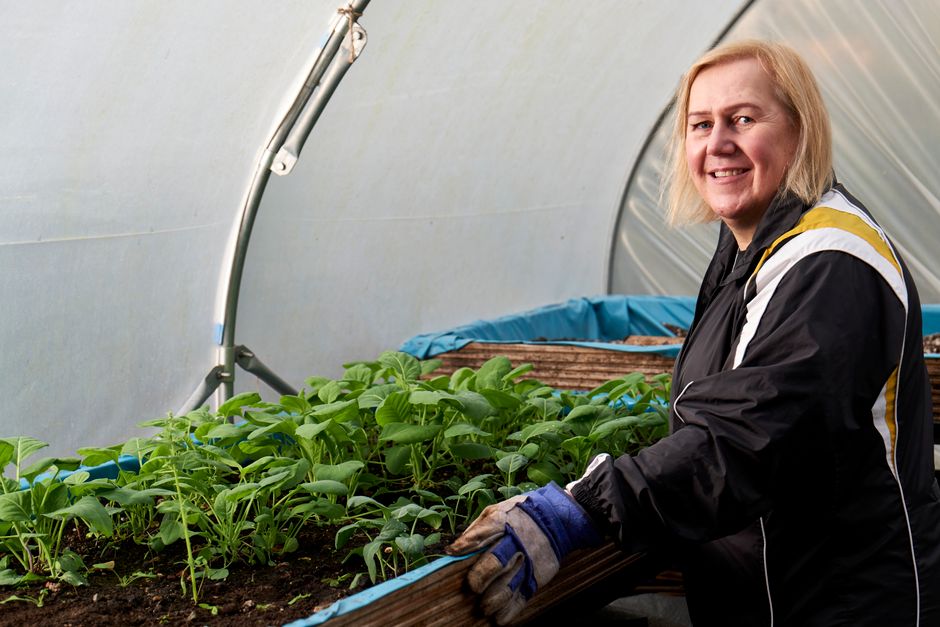
Start Your Winter Indoor Garden: Cold-Hardy Harvests
The chill of winter doesn't mean you have to hang up your gardening gloves. You can keep your green thumb active and enjoy fresh produce by creating a vibrant winter indoor garden. This guide will show home growers how to cultivate a variety of cold-hardy vegetables, right inside your home, even when the snow falls outside. A winter indoor garden is simply a collection of plants grown indoors during colder months, often utilizing controlled environments like grow lights and hydroponic systems to extend your harvesting season and provide fresh food year-round.
What Can You Grow in Your Winter Indoor Garden?
Many cold-hardy vegetables thrive indoors during winter, offering fresh produce when outdoor gardens are dormant. These plants are naturally tolerant of cooler temperatures, making them excellent candidates for indoor growing where conditions might be slightly less warm than a summer setup.
Here are some top choices for your indoor winter harvest:
- Lettuce: Varieties like romaine, butterhead, and loose-leaf are perfect. They grow quickly and you can harvest outer leaves continuously. They adapt well to hydroponic systems and containers.
- Spinach: This nutritious leafy green loves cooler conditions. Grow it in shallow trays for baby leaves or larger pots for mature plants.
- Kale: Dwarf and smaller-leafed kale varieties, such as 'Red Russian' or 'Lacinato' (dinosaur kale), do well in pots. Harvest the lower leaves as needed.
- Swiss Chard: Its colorful stems add beauty and nutrition to your indoor garden. Like kale, it's a cut-and-come-again crop.
- Arugula: For a peppery kick, arugula grows fast and is easy to maintain. Harvest young leaves for the best flavor.
- Mustard Greens: Similar to arugula, mustard greens offer a spicy alternative and grow quickly.
- Bok Choy: Mini bok choy varieties are ideal for indoor containers or hydroponics. You can harvest the entire plant or just outer leaves.
- Radishes: Look for smaller, quick-maturing varieties that can produce a harvest in just a few weeks. Ensure they have enough light to form roots.
- Carrots: Short, round varieties like 'Paris Market' or 'Danvers Half Long' are best for pots. They need loose, well-draining soil or a deep hydroponic setup.
- Peas (for shoots): You won't get full pea pods, but pea shoots are delicious and incredibly easy to grow. Harvest them when they are 4-6 inches tall for a quick, nutritious addition to salads. You can even regrow pea shoots after harvesting for multiple yields.
- Scallions/Green Onions: Simply plant the white bottoms of store-bought scallions in a small pot with soil or even a glass of water, and they will regrow.
- Cilantro: A herb that prefers cooler temperatures, cilantro can be tricky but rewarding indoors. Ensure it gets good light and doesn't get too hot.
- Parsley: Both flat-leaf and curly parsley varieties are good choices for containers and can be harvested regularly.
Setting Up Your Indoor Winter Garden for Success
Creating the right environment involves carefully considering your light source, temperature, and chosen growing method. Even in a small space, you can set up a productive garden.
- Lighting is Key: Sunlight alone is often insufficient during short winter days, especially for plants not right by a south-facing window. Quality LED grow lights are essential for providing the full spectrum and intensity your plants need. Place lights close enough to your plants, adjusting them as they grow. For more on optimizing your light, check out our guide on how to adjust LED grow lights for maximum plant growth.
- Temperature Control: While these plants are cold-hardy, they still prefer consistent temperatures. Aim for daytime temperatures between 60-70°F (15-21°C) and slightly cooler at night, around 50-60°F (10-15°C). Avoid placing plants near drafty windows or heating vents that can cause extreme temperature swings.
- Choosing Your Growing Method:
- Hydroponics: This water-based system is excellent for leafy greens and herbs, offering faster growth and often higher yields. Common setups include deep water culture (DWC), nutrient film technique (NFT), or wick systems.
- Containers: Good quality potting mix in appropriately sized pots works well for most of these vegetables. Ensure pots have drainage holes.
- Vertical Gardens: If space is limited, a vertical setup can maximize your growing area. Learn how to build your vertical indoor garden for big harvests in small spaces.
- Safety First: When setting up your garden, especially with hydroponic systems or grow lights, always keep electrical timers, pumps, and power strips away from water spills to prevent hazards.
Providing the Right Nutrients
Your plants need proper nutrition to thrive indoors. Hydroponic systems require a balanced liquid nutrient solution designed for leafy greens, following the dosage instructions on the bottle. For container growing, use a high-quality potting mix that may contain some slow-release nutrients, and supplement with a balanced liquid fertilizer as plants mature. Ensure your nutrient solution is fresh and properly aerated in hydroponic setups. If you notice signs of stress like yellowing or brown hydroponic roots, it could be a nutrient issue or lack of oxygen.
Essential Care Tips for Your Winter Indoor Garden
Proper watering, continuous nutrition, and vigilant pest management are crucial for a healthy and productive indoor garden. Regular attention to these details will ensure a steady supply of fresh greens.
- Watering Wisely: Overwatering is a common mistake. For container plants, water when the top inch of soil feels dry to the touch. Water thoroughly until it drains from the bottom, then empty any saucers. Hydroponic systems manage water automatically, but you'll need to monitor water levels and nutrient solution concentration regularly.
- Air Circulation: Good air movement helps prevent fungal diseases and strengthens plant stems. A small oscillating fan can be beneficial, especially in enclosed spaces or grow tents.
- Pest Vigilance: Indoor plants can still attract pests like aphids, spider mites, or fungus gnats. Inspect your plants regularly, especially the undersides of leaves. Address any issues early with organic pest control methods like neem oil or insecticidal soap.
- Harvesting Techniques: Many of these leafy greens are "cut-and-come-again" plants. Harvest outer leaves first, allowing the inner leaves to continue growing. This method provides a continuous harvest over several weeks or even months. For microgreens, harvest when they reach their desired height, usually by snipping them just above the root line. Always wash your harvested microgreens and vegetables thoroughly before eating them.
Overcoming Common Challenges in Winter Indoor Growing
Low light, temperature fluctuations, and maintaining consistent humidity are common hurdles for winter indoor gardeners. Addressing these proactively will lead to a more successful harvest.
- Insufficient Light: Even with grow lights, some growers might find plants stretching or growing slowly. This often means the light isn't intense enough or isn't on for long enough each day. Most leafy greens need 12-16 hours of light daily. Adjust your light height or duration as needed.
- Humidity Levels: Winter heating can dry out indoor air, which might stress some plants. Consider misting your plants or using a humidity tray (a shallow tray with pebbles and water) to increase local humidity.
- Seed Starting and Succession Planting: To ensure a continuous supply, practice succession planting. Start new batches of seeds every 2-3 weeks, especially for fast-growing crops like lettuce, arugula, and radishes. This way, as one plant finishes, another is ready to harvest.
Final Thoughts
Cultivating a winter indoor garden offers immense satisfaction, providing fresh, healthy produce right from your home, regardless of the weather outside. With the right setup and consistent care, you can enjoy abundant harvests all season long. Keep exploring new plants and methods to make your indoor garden even more productive. For more tips and guides on indoor growing, check out other articles on MicroVeg!
Frequently Asked Questions
Can I grow all cold-hardy vegetables indoors without a grow light?
While some low-light tolerant plants like lettuce might survive near a very bright window, most cold-hardy vegetables will perform much better and yield more with supplemental LED grow lights, especially during the short, dim winter days.
How often should I check my indoor winter garden for pests?
It's best to inspect your indoor plants for pests at least once a week, paying close attention to the undersides of leaves and new growth, to catch any issues early.
Do indoor winter plants need special nutrients compared to outdoor plants?
Indoor hydroponic plants require specific liquid nutrient solutions formulated for water-based systems. Container plants generally use standard balanced liquid fertilizers, often at a reduced strength in winter due to slower growth.
What's the easiest cold-hardy vegetable to start with for an indoor winter garden?
Leafy greens like lettuce, spinach, and arugula are generally considered the easiest cold-hardy vegetables to grow indoors, especially in hydroponic systems or small containers, due to their quick growth and tolerance for varied conditions.
Explore More Plant Care Guides
 Plant Care
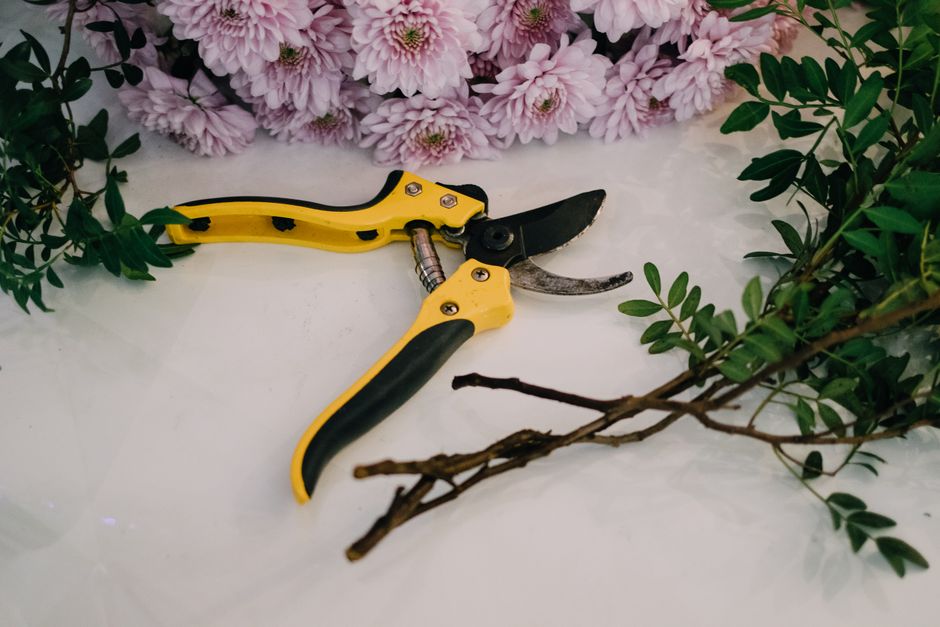
Pruning Chrysanthemums for Longer Indoor Blooms
Discover effective pruning techniques for chrysanthemums to ensure more vibrant and continuous blooms in your indoor garden.
 Plant Care
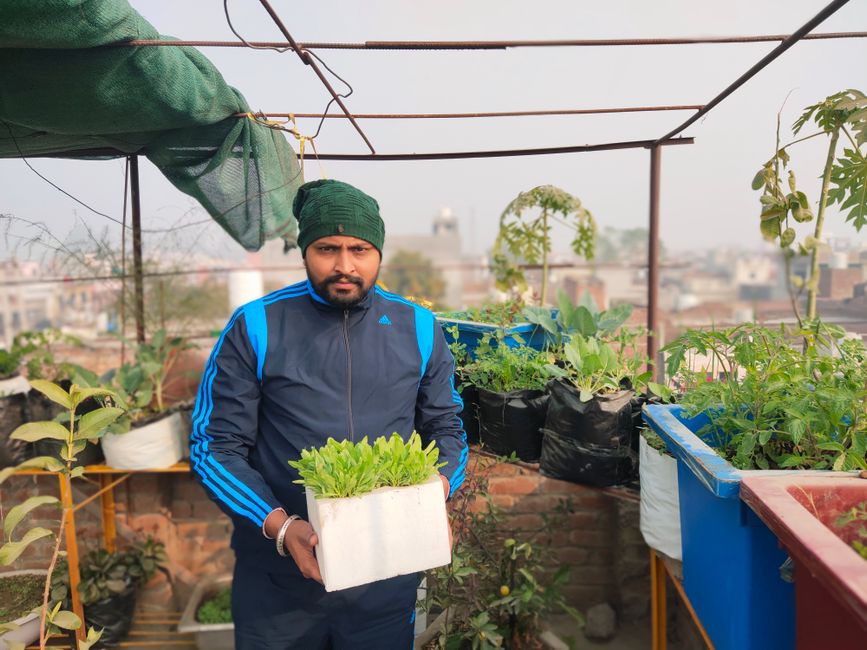
How to Grow Spinach Indoors: Fresh Leaves Year-Round
Learn how to grow fresh spinach indoors all year long, perfect for small spaces and a continuous harvest.
 Plant Care
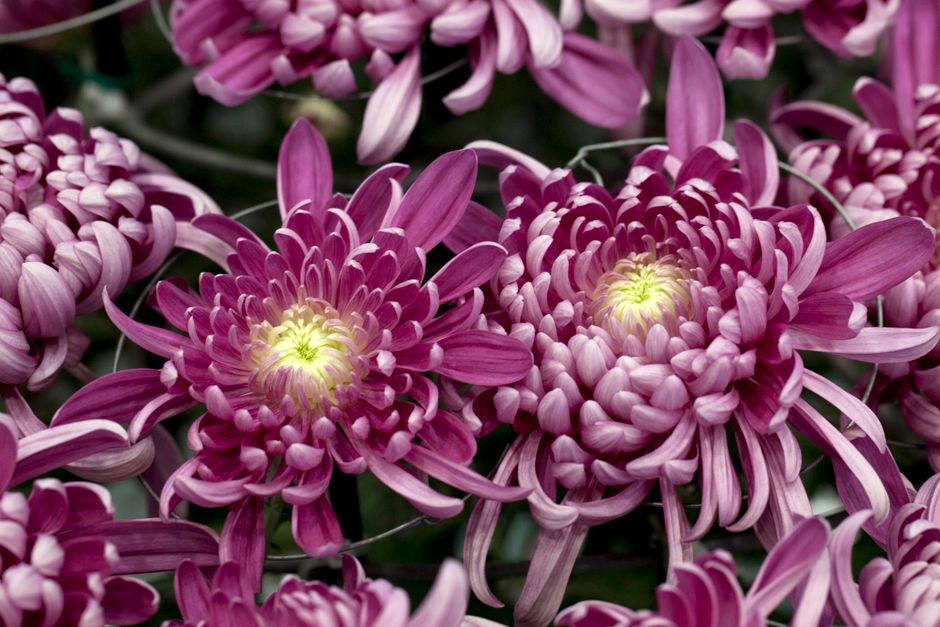
Indoor Chrysanthemum Care: Avoid This Common Mistake
Bringing chrysanthemums indoors for fall decor is popular, but many home growers make a key mistake that causes these vibrant plants to quickly decline.