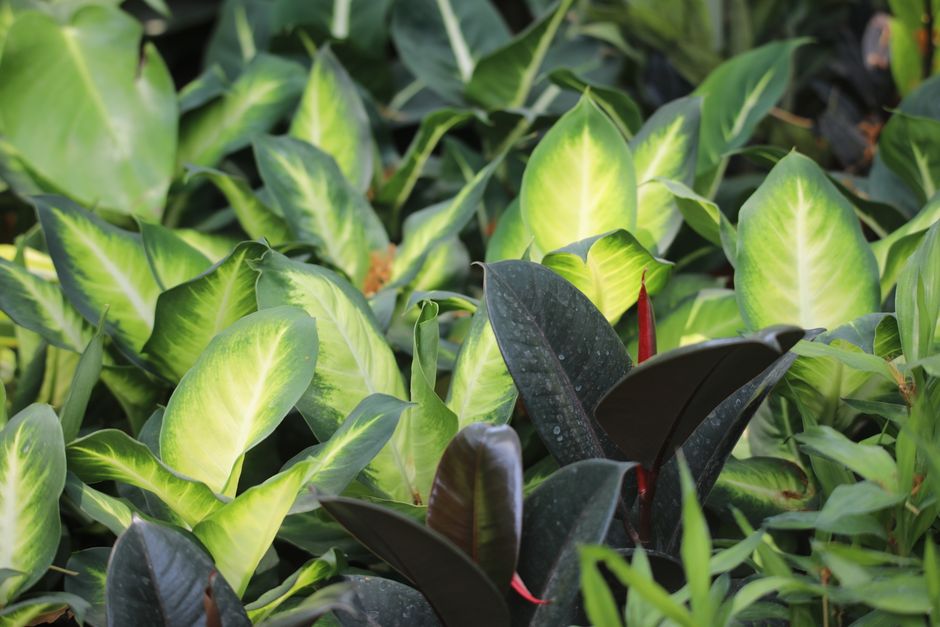
Keep Indoor Plants for Winter Interest
Winter often brings a desire for warmth and greenery, especially when outdoor gardens are dormant and gray. Instead of letting your indoor spaces feel drab, embrace the season by cultivating plants that offer lasting beauty and even small harvests. Indoor plants for winter interest are those varieties that continue to provide visual appeal, a fresh scent, or small edible yields during the colder months. These plants thrive in your home, brightening your environment and offering a touch of nature when you need it most. They are perfect for container gardens, hydroponic setups, and small spaces.
Why Keep Indoor Plants Standing Through Winter?
Keeping indoor plants standing through winter offers numerous benefits, from enhancing your home's aesthetic appeal to providing fresh, homegrown produce when outdoor options are scarce. These plants contribute to a vibrant living space and can even boost your mood during the shorter, darker days.
Having live plants indoors during winter can significantly improve your home environment. They add a touch of natural beauty, creating a more inviting and cheerful atmosphere. Many plants also release oxygen and can slightly improve indoor air quality, making your living space feel fresher.
For edible plants, keeping them productive through winter means you can enjoy small, continuous harvests of herbs or leafy greens. This reduces your grocery bill and provides access to fresh ingredients that might otherwise be out of season or expensive at the store. It is a rewarding way to stay connected to gardening year-round, even in the smallest of spaces.
Which Indoor Plants Offer Great Winter Interest?
Many common indoor herbs, leafy greens, and small fruiting plants can thrive and provide winter interest, bringing life and fresh flavors to your home. These selections are generally resilient and can adapt well to indoor conditions with the right care.
- Rosemary: This aromatic herb stays green and offers a lovely scent. Its woody stems provide good structure, making it an attractive addition to any indoor garden. You can lightly prune and harvest its needles for cooking throughout the winter.
- Thyme: Low-growing and fragrant, thyme is another excellent herb for winter interest. It holds its small leaves and can be harvested as needed for seasoning. Thyme is relatively low-maintenance, making it a good choice for beginners.
- Swiss Chard: With its vibrant, colorful stems and deep green leaves, Swiss chard provides both visual appeal and nutritional value. It is a fantastic cut-and-come-again crop, allowing you to harvest outer leaves repeatedly throughout the season.
- Kale: Similar to chard, many kale varieties are cold-tolerant and perform well indoors. They offer continuous harvests of nutritious greens, which are perfect for salads or smoothies. Choose compact varieties for small indoor spaces.
- Dwarf Chili Peppers: These plants produce small, often colorful fruits that add a pop of brightness to your indoor garden. While not a heavy producer in winter, they can offer occasional harvests and are very ornamental.
- Everbearing Strawberries: Certain everbearing varieties can produce small, sweet berries indoors throughout the winter, provided they receive enough light. Their green foliage and small white flowers or red fruits are charming additions.
Hydroponic Winter Crops for Continuous Harvests
For the ultimate year-round gardening experience, especially in small spaces, hydroponic systems are ideal for growing fast-growing indoor fall vegetables. These setups allow you to control nutrients and water precisely, leading to efficient growth even when natural light is limited. Many of the plants listed above, like leafy greens and herbs, excel in hydroponic environments, offering continuous harvests of fresh produce. Consider setting up a simple hydroponic system for a consistent supply of fresh greens. You can also explore indoor fall planting strategies to extend your growing season.
How to Care for Indoor Winter Plants for Success?
Successful care for indoor winter plants involves optimizing light, adjusting watering, managing humidity, and providing consistent, mild nutrients. Paying attention to these key factors will help your plants thrive through the colder months.
Light: During winter, natural light levels are lower and days are shorter. Supplemental LED grow lights are often essential for maintaining plant health and productivity. Aim for 12 to 16 hours of light per day, depending on the plant's needs. Check your light manufacturer's coverage chart to ensure your plants are getting adequate intensity.
Watering: Plants generally use less water in winter due to slower growth and cooler temperatures. Reduce your watering frequency, checking the top inch of soil for container plants or your hydroponic reservoir levels regularly. Water only when the plant truly needs it to prevent root rot.
Humidity: Indoor heating can lead to very dry air, which many plants dislike. Increase humidity by grouping plants together, using pebble trays filled with water, or running a small humidifier nearby. Always keep electrical components, like timers and pumps, safely away from water spills to prevent hazards.
Nutrients: While plants still need nutrients in winter, their uptake may be slower. For hydroponic systems, you might slightly reduce the nutrient solution strength. For soil-grown plants, fertilize less frequently, following the dosage recommendations on your nutrient bottle. Avoid over-fertilizing, as this can harm your plants.
Pest Watch: Dry indoor conditions can sometimes encourage pests like spider mites. Regularly inspect your plants for any signs of trouble and address issues promptly with appropriate organic solutions if needed.
Maximizing Your Indoor Harvests During Colder Months
To maximize indoor harvests during colder months, focus on continuous "cut and come again" methods, provide ample light, and ensure consistent nutrient delivery. Strategic harvesting encourages plants to produce more, extending your yield.
For leafy greens like kale and chard, harvest the outer, larger leaves first. This allows the inner leaves to continue growing and producing. Similarly, with herbs like rosemary and thyme, snip off what you need from the top or sides, encouraging bushier growth rather than stripping the plant bare. Understanding when to harvest microgreens and other plants at their peak will ensure the best flavor and encourage subsequent growth.
Adequate lighting is crucial for continuous production. If your plants are not getting enough light, they will become leggy and produce less. Adjust your grow lights as needed to provide optimal conditions. In hydroponic systems, regularly monitoring and replenishing your nutrient solution will ensure your plants have all the essential elements for ongoing growth and harvest.
Final Thoughts
Embracing indoor plants for winter interest transforms your home into a vibrant, living space, providing beauty, scent, and fresh produce even in the chilliest months. With a little care and the right plants, you can enjoy the rewards of indoor gardening all year long. Explore more MicroVeg guides for year-round growing inspiration.
Frequently Asked Questions
Do indoor plants need special grow lights in winter?
Yes, natural light often isn't enough in winter due to shorter days and lower intensity, so supplemental LED grow lights are highly recommended to ensure healthy growth and productivity.
Can I grow vegetables hydroponically in winter?
Absolutely. Hydroponic systems are excellent for year-round vegetable production indoors, offering consistent harvests regardless of outdoor weather and providing precise control over growing conditions.
How often should I water indoor plants during winter?
Reduce watering frequency in winter compared to warmer months. Check the top inch of soil for dryness or your hydroponic system's reservoir levels regularly, watering only when the plant truly needs it.
Are there any pests to watch for on indoor plants in winter?
Yes, dry indoor air from heating can make plants susceptible to pests like spider mites and fungus gnats. Regularly inspect your plants and address any issues quickly with appropriate remedies.
Explore More Plant Care Guides
 Plant Care
Pruning Chrysanthemums for Longer Indoor Blooms
Discover effective pruning techniques for chrysanthemums to ensure more vibrant and continuous blooms in your indoor garden.
 Plant Care
How to Grow Spinach Indoors: Fresh Leaves Year-Round
Learn how to grow fresh spinach indoors all year long, perfect for small spaces and a continuous harvest.
 Plant Care
Indoor Chrysanthemum Care: Avoid This Common Mistake
Bringing chrysanthemums indoors for fall decor is popular, but many home growers make a key mistake that causes these vibrant plants to quickly decline.