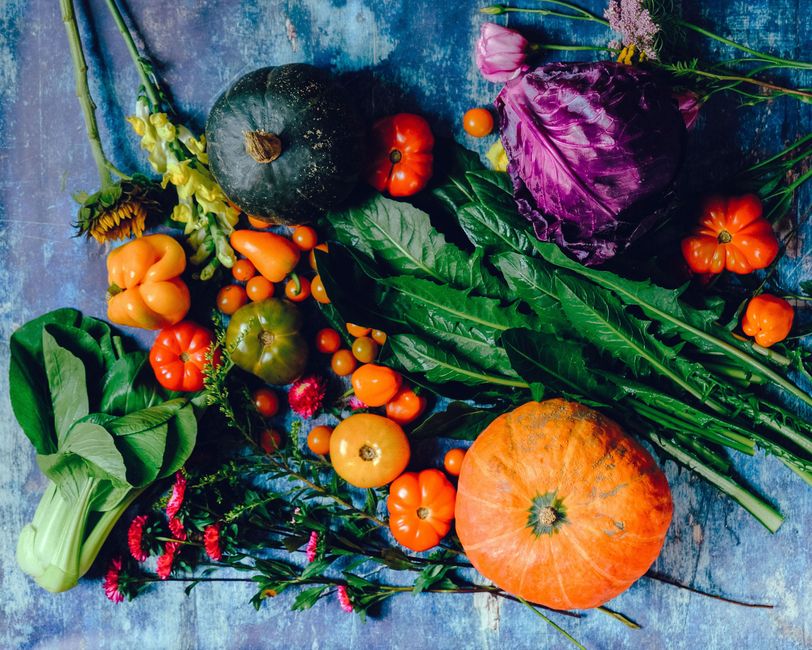
Fast-Growing Indoor Fall Vegetables: Your Quick Harvest Guide
Are you dreaming of fresh, homegrown vegetables even as the days get shorter and the temperatures drop? You don't have to wait for spring. With the right approach, you can enjoy abundant harvests from your indoor garden all season long. Preparing for fall doesn't mean you've missed your chance to plant; it means it's the perfect time to start new indoor crops.
Fast-growing indoor vegetables for fall are specific cool-season plants that mature quickly, often within a few weeks, making them ideal for succession planting and harvesting. This strategy ensures a continuous supply of fresh produce in your home, extending your garden's bounty regardless of outdoor conditions.
Why Grow Fast-Harvest Vegetables Indoors This Fall?
Growing fast-harvest vegetables indoors this fall allows you to bypass outdoor weather challenges, pests, and soil limitations, providing a reliable source of fresh food year-round. This is especially beneficial for urban dwellers or anyone with limited outdoor space, offering control over the growing environment.
An indoor setup means you can maintain ideal conditions for cool-season crops, extending their harvest period well beyond what's possible outside. You won't contend with sudden frosts, heavy rains, or garden pests that can quickly end an outdoor growing season. Instead, you can enjoy a continuous supply of fresh, crisp produce right from your kitchen or living room.
Indoor gardening is perfect for small-space living, making the most of vertical space, shelves, or even a sunny windowsill. Hydroponic systems, in particular, accelerate growth, producing quick yields with less water and no soil. This method is incredibly efficient for gardeners looking for speedy results.
Top Picks: Fast-Growing Vegetables for Your Indoor Fall Garden
Several varieties of vegetables excel indoors, offering quick growth and delicious yields that are perfect for a rapid fall harvest. These plants are chosen for their compact size, quick maturity, and suitability for container or hydroponic setups.
- Lettuce: Many loose-leaf varieties like 'Black Seeded Simpson' or 'Buttercrunch' mature rapidly, often in 30-45 days. They are ideal for 'cut-and-come-again' harvesting, especially in hydroponic systems.
- Spinach: Quick-growing and packed with nutrients, spinach varieties like 'Bloomsdale Long Standing' or 'Tyee' can be ready for harvest in as little as 30 days. It thrives in slightly cooler indoor temperatures.
- Radishes: These root vegetables are perhaps the fastest-growing crop you can cultivate, with some varieties ready in under 3 weeks. Look for smaller, round types such as 'Cherry Belle' or 'French Breakfast' for container growing.
- Bok Choy: A delicious Asian green that matures quickly, especially mini varieties. Baby bok choy can be harvested in about 45-50 days and is excellent for stir-fries and salads.
- Arugula: Known for its peppery flavor, arugula is very fast to grow, often ready for harvest in just 20-30 days. It's perfect for succession planting to ensure a constant supply.
- Microgreens: While not a single vegetable, a variety of seeds (like broccoli, radish, or kale) can be grown as microgreens, offering harvests in 7-14 days. They are incredibly dense in nutrients and perfect for ultra-fast, continuous yields.
- Bush Beans (Dwarf Varieties): While not as quick as leafy greens, dwarf bush bean varieties like 'Contender' or 'Provider' can produce pods in about 50-60 days. They are self-pollinating and compact, making them suitable for larger containers.
Beyond Traditional Greens: Quick Container Options
While leafy greens are often the go-to for fast indoor fall planting, don't overlook other compact options. Dwarf bush beans, for example, offer a different kind of harvest within a reasonable timeframe. Choose sturdy containers and provide adequate light for these producers. Their self-pollinating nature makes them a great choice for enclosed indoor spaces.
Setting Up Your Indoor Space for Quick Fall Harvests
A successful indoor garden for fast harvests requires the right environment, including consistent lighting, balanced nutrients, and appropriate temperatures. Careful setup ensures your plants get everything they need to thrive and produce quickly.
Light: LED grow lights are essential for almost all indoor vegetables, especially for quick growth. They provide the full spectrum of light plants need, regardless of natural sunlight availability. Ensure your lights are positioned at the correct height and provide 12-16 hours of light daily. Refer to your light manufacturer's coverage chart to get the best intensity. For tips on optimization, read our guide on adjusting LED grow lights.
Nutrients: If you're growing in containers, use a high-quality, well-draining potting mix. For hydroponic systems, a balanced liquid nutrient solution is crucial. Always follow the dosage instructions on your nutrient bottle to provide the correct balance for your specific plants and growth stage. Regular checks of your hydroponic solution's pH and nutrient levels are also important.
Temperature & Humidity: Most cool-season crops prefer indoor temperatures between 60-70°F (15-21°C). While they can tolerate slight fluctuations, consistent conditions promote faster growth. Good air circulation prevents stagnant air and helps manage humidity around your plants, which can deter fungal issues.
Containers/Systems: For container gardening, choose pots with drainage holes appropriate for the plant's mature size. Hydroponic systems like nutrient film technique (NFT) or deep water culture (DWC) are excellent for leafy greens, providing roots with direct access to nutrient-rich water. Always keep electrical components, such as grow light timers and hydroponic pumps, away from water spills to prevent hazards.
Tips for Maximizing Your Fast Fall Harvests
To ensure quick and abundant harvests from your indoor fall garden, focus on strategic succession planting, precise nutrient management, and attentive plant care. These practices will keep your garden producing fresh food continuously.
Succession Planting: This is key to a continuous harvest. Plant small batches of seeds every 1-2 weeks instead of planting everything at once. This way, as one batch is ready for harvest, another is growing, and another is just germinating. This ensures you always have fresh produce available.
Consistent Nutrient Delivery: For hydroponic systems, regularly check and replenish your nutrient solution. For container plants, a consistent feeding schedule with a balanced liquid fertilizer will support rapid growth. Lack of nutrients can significantly slow down development.
Water Quality: Especially in hydroponics, using filtered water can prevent issues caused by chlorine or other impurities. Regularly monitor the pH of your water and nutrient solution to ensure plants can absorb nutrients efficiently.
Pest & Disease Watch: Even indoors, pests can appear. Inspect your plants regularly for any signs of trouble. Early detection allows for organic pest control methods before an infestation takes hold. Good air circulation also helps prevent common indoor plant diseases.
Harvesting Techniques: For leafy greens, practice 'cut-and-come-again' harvesting. This means you only snip the outer leaves, allowing the inner leaves to continue growing. This method prolongs the life of the plant and provides multiple harvests from a single planting. Be sure to wash all produce thoroughly before eating.
Final Thoughts
Cultivating fast-growing indoor vegetables for fall means you can enjoy the satisfaction of fresh, homegrown food all year long, regardless of the season. By selecting the right crops and providing optimal indoor conditions, you'll be harvesting delicious produce in no time. Ready to grow? Explore more MicroVeg guides for inspiration and practical tips.
Frequently Asked Questions
What makes a vegetable "fast-growing" for indoor fall planting?
Fast-growing vegetables mature quickly, often within 3-6 weeks, making them ideal for quick turnover and continuous harvests indoors, especially as outdoor weather cools.
Can I grow these without special equipment?
While LED grow lights are highly recommended for optimal growth, many of these plants can thrive in a sunny window, though growth might be slower and yields smaller.
How often should I harvest quick-growing greens?
For "cut-and-come-again" greens like lettuce or spinach, you can often harvest outer leaves every 1-2 weeks once the plant is established, allowing the inner leaves to continue growing.
What's the best way to start seeds for a fast indoor fall harvest?
Start seeds in small pots or propagation trays with a sterile seed-starting mix or rockwool cubes, providing consistent moisture and warmth until germination, then move them under grow lights.
Explore More Plant Care Guides
 Plant Care
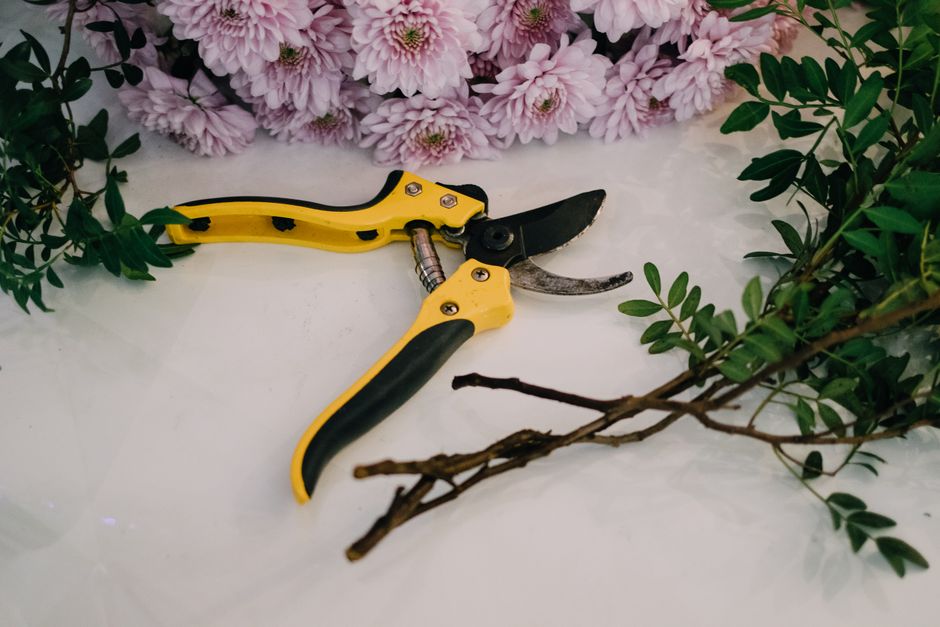
Pruning Chrysanthemums for Longer Indoor Blooms
Discover effective pruning techniques for chrysanthemums to ensure more vibrant and continuous blooms in your indoor garden.
 Plant Care
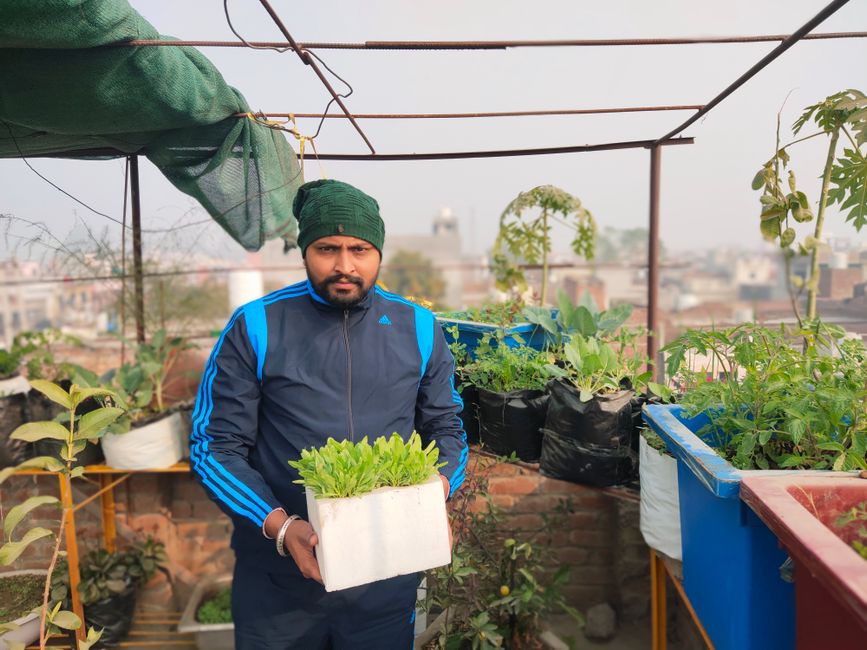
How to Grow Spinach Indoors: Fresh Leaves Year-Round
Learn how to grow fresh spinach indoors all year long, perfect for small spaces and a continuous harvest.
 Plant Care
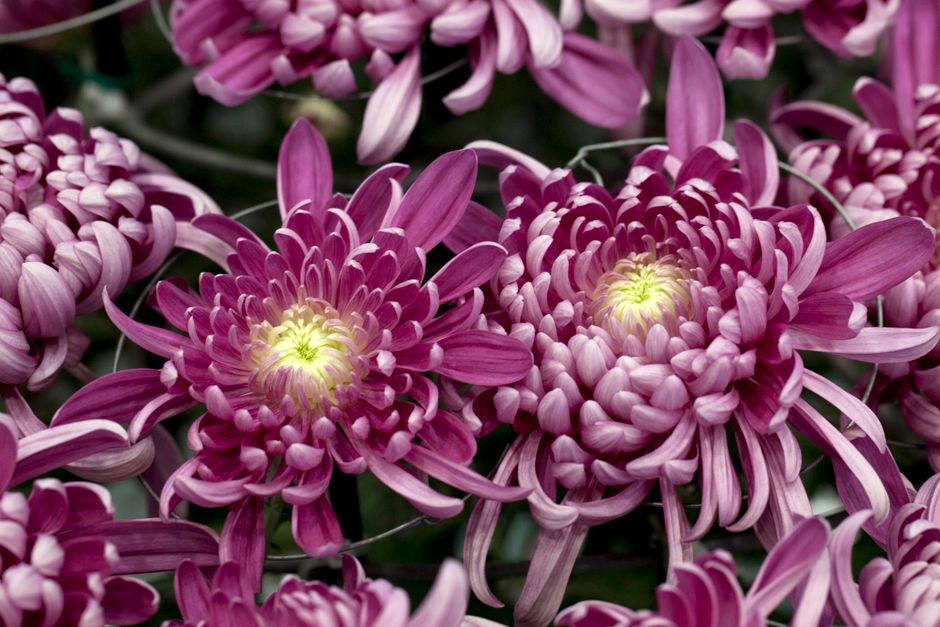
Indoor Chrysanthemum Care: Avoid This Common Mistake
Bringing chrysanthemums indoors for fall decor is popular, but many home growers make a key mistake that causes these vibrant plants to quickly decline.