LED Grow Light Spectrum: Simple Guide for Beginners
Choosing the right lights for indoor plants often feels confusing when you see options for red, blue, and white diodes. The LED grow light spectrum refers to the specific wavelengths of light emitted by a fixture to power plant photosynthesis. Plants use visible light colors, mainly red and blue wavelengths, to build strong stems, healthy roots, and fresh foliage. Understanding this light range ensures your indoor crops grow fast without wasting electrical energy.
What LED Grow Light Spectrum Do Indoor Plants Need?
Indoor plants need a balanced light spectrum that includes blue wavelengths for stem and leaf strength, alongside red wavelengths for root growth and flowering. Full spectrum white LED lights replicate natural sunlight and work best for almost all home growing setups. They supply every necessary color wave so your greens develop naturally.
Plants contain pigments like chlorophyll that capture photon energy from specific bands of light. Blue light sits near four hundred to five hundred nanometers, while red light lands near six hundred to seven hundred nanometers. When plants receive a mix of these bands, photosynthesis operates efficiently across all leaves.
If you rely on cheap indoor lights that lack essential wavelengths, your crops will struggle to produce energy. You might notice poor development, pale leaves, or weak roots. Matching your light output to plant needs creates sturdy plants that thrive on kitchen racks or grow shelves.
How Blue Light Helps Leaves and Stems
Blue light plays a critical role in controlling plant structure and foliage density. It triggers stomata opening, keeps stem internodes short, and encourages thick leaf blades. Without enough blue wavelengths, crops stretch out and become fragile under their own weight.
Young plants rely heavily on blue wavelengths during their early vegetative days. If your indoor seedlings lack this light quality, they stretch toward the light fixture in search of energy. In addition to stretching, why are my seedlings turning yellow becomes a common question when light intensity and color quality fall short.
Is Red Light or Blue Light Better for Indoor Crops?
Neither red nor blue light is single-handedly better because plants require both color bands at different points in their growth cycle. Blue light drives compact leaf development and short stems, while red light encourages root expansion, flowering, and fruit production. Combining both spectrums yields the healthiest indoor crops.
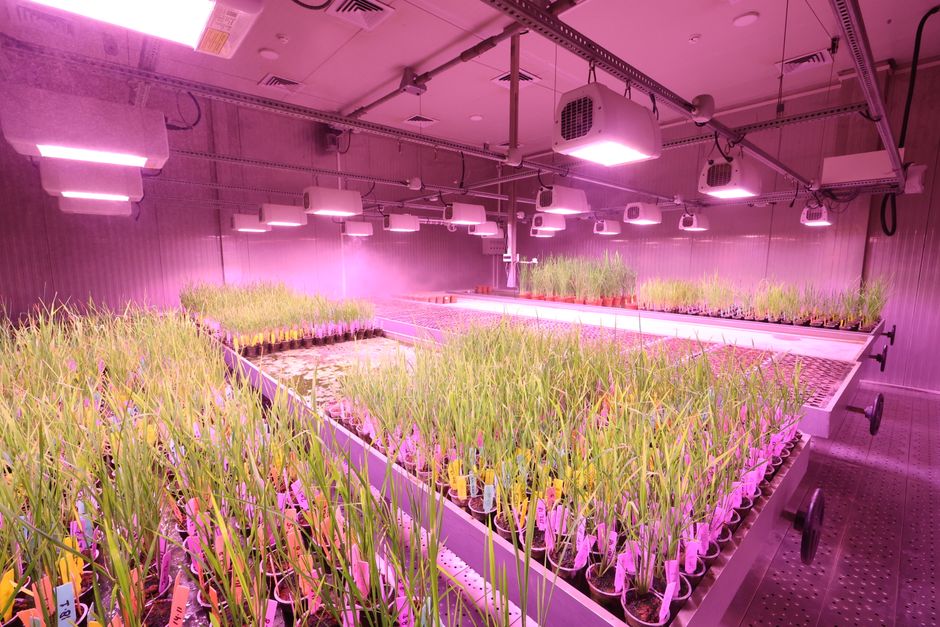
In early LED history, manufacturers sold purple-toned lights made only of bright red and blue diodes. These grow lights worked for basic plant biology, but they made leaf inspection difficult for growers. Modern fixtures mix red and blue with green and warm white light to create balanced natural light.
Red light signals to mature plants that it is time to expand their mass and prepare blossoms. However, running pure red light without blue light causes weak, spindly stems. A balanced blend ensures your plants remain sturdy from seedling stage through harvest.
Are Full Spectrum LED Grow Lights Best for Beginners?
Yes, full spectrum LED grow lights are the best choice for beginners because they mimic natural sunlight and support plants through every stage of growth. They deliver a complete balance of light colors while making it easy to inspect leaves for pests, nutrient issues, and fungal spots.
Full spectrum white LEDs create a comfortable working environment in your home. You can place these fixtures in a living room, spare bedroom, or kitchen shelf without distracting bright purple light glowing through the house. The balanced white output shows true leaf colors clearly.
When setting up full spectrum lights on wire shelves or tabletop stands, safety should always come first. Keep all electrical power strips, dimmers, and cords elevated off the floor or shelf surface so accidental water spills during tray refills never cause a hazard.
What to Look For When Buying Light Fixtures
Selecting a suitable full spectrum LED panel comes down to practical features that fit your growing space. You do not need expensive commercial light bars to grow fresh herbs or microgreens successfully at home.
- Choose fixtures with warm white or neutral white light output to protect your eyes and simplify plant inspections.
- Look for fixtures with low heat output so leaves near the top of the canopy do not dry out or burn.
- Select lights with built-in dimming knobs or adjustable suspension cords to fine-tune light levels as plants grow taller.
How Does Light Spectrum Affect Seedlings and Microgreens?
Light spectrum directly influences how quickly seedlings develop compact leaves and sturdy stems without stretching thin. Microgreens and young sprouts thrive under cool blue-heavy or bright full spectrum light during their brief growth window.
Seedlings need a clear light signal as soon as they emerge from the growing medium. If the spectrum lacks short blue wavelengths, embryonic stems stretch tall and fall over before true leaves appear. Giving seedlings crisp light creates squat, hardy starts ready for potting up.
Microgreens harvested in two weeks rely on intense light quality to develop rich colors and snappy textures. If you want to grow basil on a kitchen counter or raise fresh tray greens, reliable full spectrum LEDs give you thick harvests with rich flavor profile.
What Are the Most Common LED Light Spectrum Mistakes?
The most common LED grow light spectrum mistakes include using single-color lights exclusively, keeping lights too far away, and choosing decorative LEDs that lack proper light intensity. These errors cause slow growth, weak stems, and pale leaves across your indoor garden.
Many beginners mistake ordinary household desk lamps or decorative accent strips for functional grow lights. While these bulbs illuminate a room, they lack the target wavelengths and density needed to drive plant photosynthesis effectively.
- Using decorative warmth bulbs that emit low blue energy, causing tall and weak stems.
- Relying exclusively on red spectrum fixtures during early leafy vegetative growth.
- Failing to adjust light height as plants grow closer to the light source.
- Leaving grow lights on all night without giving plants a proper dark rest period.
Final Thoughts
Understanding your LED grow light spectrum takes the guesswork out of indoor gardening and gives your plants the energy they need. Sticking with full spectrum white LED fixtures keeps your setup simple, effective, and easy to monitor. Check out our other MicroVeg guides to discover practical tips for watering schedules, medium choices, and indoor harvests!
Frequently Asked Questions
What color light is best for indoor plant growth?
Full spectrum white light is best for overall indoor plant growth because it supplies all wavelengths plants need. It combines red, blue, and green light to support both vegetative foliage and root growth.
Can standard household LED lights work as grow lights?
Standard household LED lights can provide minor light, but they usually lack the intensity and specific spectrum required for productive indoor crops. Dedicated grow lights deliver stronger light tailored for plant energy needs.
Does green light help plants grow under LEDs?
Green light penetrates deeper into the plant canopy than red or blue light, helping lower leaves absorb usable energy. While plants reflect some green light, they still absorb a significant amount to support overall growth.
How do you know if your grow light spectrum is wrong?
Plants under an incorrect or weak light spectrum will stretch tall toward the light, grow soft stems, or turn pale green. Slow growth and small leaves indicate that light quality needs improvement.
Explore More Grow Lights Guides
 Grow Lights
LED Grow Light Specs: What Home Growers Need to Know
Understanding LED grow light specs helps you pick the right light for healthy plants and a thriving indoor garden.
 Grow Lights
Set Your LED Grow Light Schedule for Happy Plants
Discover how to set the perfect LED grow light schedule for your indoor plants, ensuring they get just the right amount of light to thrive.
 Grow Lights
Plants Struggling Under Grow Lights? Fix It Fast!
If your indoor plants are struggling under grow lights, learn how to identify common problems and get them thriving again with our expert guide.