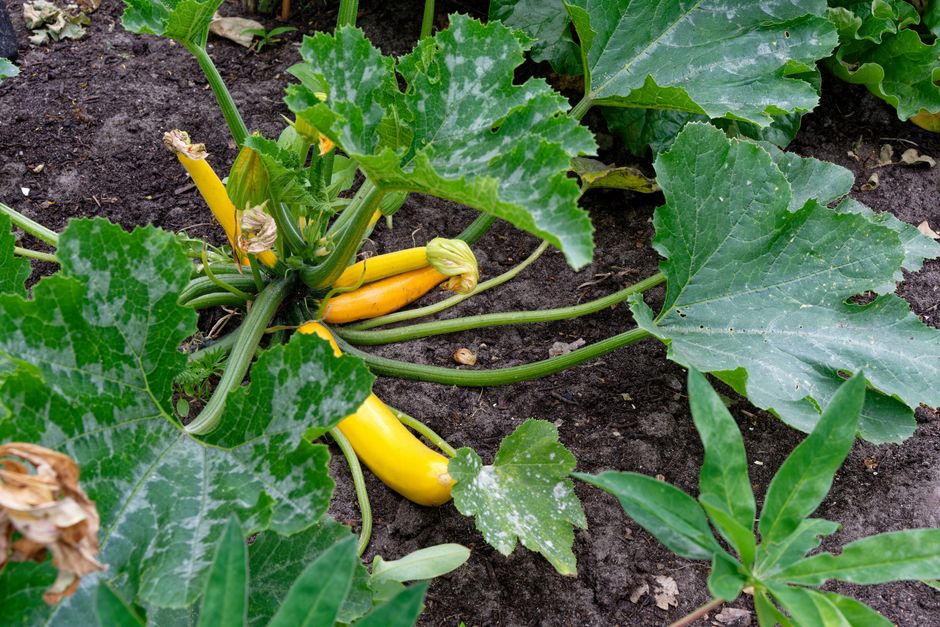
How to Prune Zucchini Plants Without Ruining Your Harvest
Zucchini plants grow fast and can take over a grow tent, balcony, or small indoor setup before you know it. If you want to keep your plants healthy and productive in tight quarters, you need to learn how to prune zucchini plants the right way. Cutting back extra growth keeps your space tidy, prevents fungal issues, and helps your plant produce delicious squash all season long.
Why Should You Prune Zucchini Plants in Small Spaces?
You should prune zucchini plants to improve airflow, increase light exposure to developing fruit, and prevent common fungal diseases like powdery mildew. In container growing and indoor setups, space is tight and humidity can build up fast around dense foliage. Trimming away overcrowded lower leaves opens up the plant canopy so every leaf gets adequate light.
When zucchini leaves overlap in a compact space, moisture gets trapped between them. This damp environment creates ideal conditions for fungal spores to settle and grow. Removing low hanging or crowded foliage allows air to circulate freely through your indoor tent, hydroponic corner, or patio container setup.
Additionally, giant lower leaves take a huge amount of energy to maintain as they age. When you trim off old, shaded, or damaged leaves, your plant redirects its valuable water and nutrients directly into growing new flowers and filling out young zucchini. If your zucchini stopped producing new fruit, removing old foliage can help jumpstart production again.
Better Airflow and Light Exposure
Light penetration drops quickly when zucchini foliage forms a thick upper canopy. Indoor grow lights and sunny balcony windows cannot reach the inner stem or young blossom sites if big leaves shade them out. Pruning removes shaded lower foliage that is no longer photosynthesizing efficiently, opening the plant so light hits the active growing centers.
Good lighting on the main stem also makes hand pollination much easier. Indoor zucchini plants do not have wild bees to pollinate flowers, so you often need to move pollen manually from male to female blossoms. Clearing away dense lower leaves gives you direct visual access to these delicate flowers without snapping stems as you work.
How to Prune Zucchini Plants Step by Step
To prune zucchini plants safely, cut the bottom leaves off cleanly at the main stem using sharp bypass pruners or snips. Focus only on removing leaves located below the lowest active fruit or blossom on the main trunk. Work slowly and follow these simple steps during your routine plant maintenance:
- Examine your plant from the base upward to locate the lowest set of yellowing, shaded, or low hanging leaves.
- Find the main central stem where the leaf stem, also called the petiole, attaches to the main trunk.
- Use clean pruners to snip the leaf stem near the main trunk, leaving a tiny stub so you do not gouge the main stalk.
- Remove any dead blossoms, damaged stems, or fallen yellow leaves from the base of the pot to keep your growing space clear.
- Discard trimmed foliage right away rather than letting it rest on top of your potting soil or reservoir cover.
Always inspect the plant carefully before making a single cut. You only want to take off two or three leaves per session so you do not shock the vine or slow down active fruit production.
Tools You Need for Clean Cuts
Clean tools make a big difference when working with fleshy indoor veggies. Use a sharp pair of bypass shears, micro-tip pruning snips, or clean kitchen scissors. Always wipe your blades with rubbing alcohol before trimming your plants to prevent spreading bacteria or plant viruses between container pots.
Zucchini stems are hollow and hold a lot of moisture. Using dull blades can crush the delicate stem tissues instead of slicing through them smoothly. Crushed tissue leaves ragged edges that take longer to heal, making your indoor plant more vulnerable to bacterial rot and pest infestations.
If you grow indoor crops near electrical cords, grow light ballasts, or hydroponic air pumps, keep your liquid sprays and wet shears away from power outlets to avoid short circuits. Safety always comes first when working with water and electrical gear in tight indoor growing quarters.
What Are the Two Biggest Zucchini Pruning Mistakes?
The two biggest zucchini pruning mistakes are removing main fruit-bearing vines and taking off too many leaves at one single time. Making either of these errors can severely drop crop yields or even kill your plant outright. Understanding what to leave on the vine is just as important as knowing what to trim away.
The first major mistake is cutting off the growing tip or primary vine of bush zucchini varieties. Zucchini produces all of its flowers and fruit along the single main stem as it stretches upward or outward. If you accidentally top the main stem or cut off active fruiting points, the plant will stop growing new fruit entirely.
The second major mistake is over-pruning by removing more than one third of the leaves at once. Leaves act as solar panels for your plant, creating the sugars needed to fuel continuous vegetable growth. Stripping away too much green foliage causes extreme stress, stops root development, and leaves your plant vulnerable to pest attacks.
Avoid these two common errors by following a strict rule of thumb: never cut leaves that grow above the newest young fruit. Just like when you are pruning indoor fruit crops, keep all upper healthy leaves fully intact so they can capture light and feed the developing harvest.
How Do You Care for Container Zucchini After Pruning?
You care for container zucchini after pruning by giving the plant steady moisture, balanced liquid nutrients, and plenty of direct light. Fresh pruning cuts create open wounds on the plant stem that need to heal in a clean environment. Giving your container crops top care keeps them growing strong without missing a beat.
Water your pot or container around the soil base instead of spraying overhead. Wetting fresh pruning cuts or remaining upper leaves encourages fungal spot diseases to settle on the open tissue. Ensure your container drains well so water does not pool around the stem base after trimming.
Feed your container zucchini with a complete water-soluble vegetable fertilizer following the instructions on your product label. Container plants leach nutrients faster than outdoor garden beds, especially when growing under high intensity grow lights or on warm balconies. Consistent feeding ensures your trimmed plant has plenty of fuel to produce broad new leaves and healthy blossoms.
Check the underside of remaining leaves regularly for common indoor pests like spider mites or aphids. Pruning opens up the interior of the plant canopy, making it much easier to spot early signs of insects before they colonize your whole container setup.
Final Thoughts
Learning how to prune zucchini plants correctly keeps your small space garden tidy, healthy, and highly productive. By removing old lower leaves and avoiding heavy over-cutting, you set your container crops up for long-term success. Check out our other indoor gardening guides on MicroVeg to discover more practical growing tips for tight spaces!
Frequently Asked Questions
Can you prune container zucchini plants?
Yes, you can prune container zucchini plants by removing old lower leaves near the soil line. This improves airflow and directs energy into developing fruit.
Should you remove yellow zucchini leaves?
Yes, you should clip off yellow zucchini leaves immediately using clean pruners. Removing dying foliage prevents fungal diseases and keeps your plant looking clean.
Will zucchini keep producing after pruning?
Yes, zucchini plants continue to flower and produce fruit after pruning as long as you leave the top growing tip intact. Pruning lower leaves actually improves overall yield.
How often should I prune indoor zucchini?
Prune your indoor zucchini every week or two during peak growth. Remove only two to three lower shaded leaves per session to avoid shocking the plant.
Explore More Plant Care Guides
 Plant Care
Pruning Chrysanthemums for Longer Indoor Blooms
Discover effective pruning techniques for chrysanthemums to ensure more vibrant and continuous blooms in your indoor garden.
 Plant Care
How to Grow Spinach Indoors: Fresh Leaves Year-Round
Learn how to grow fresh spinach indoors all year long, perfect for small spaces and a continuous harvest.
 Plant Care
Indoor Chrysanthemum Care: Avoid This Common Mistake
Bringing chrysanthemums indoors for fall decor is popular, but many home growers make a key mistake that causes these vibrant plants to quickly decline.