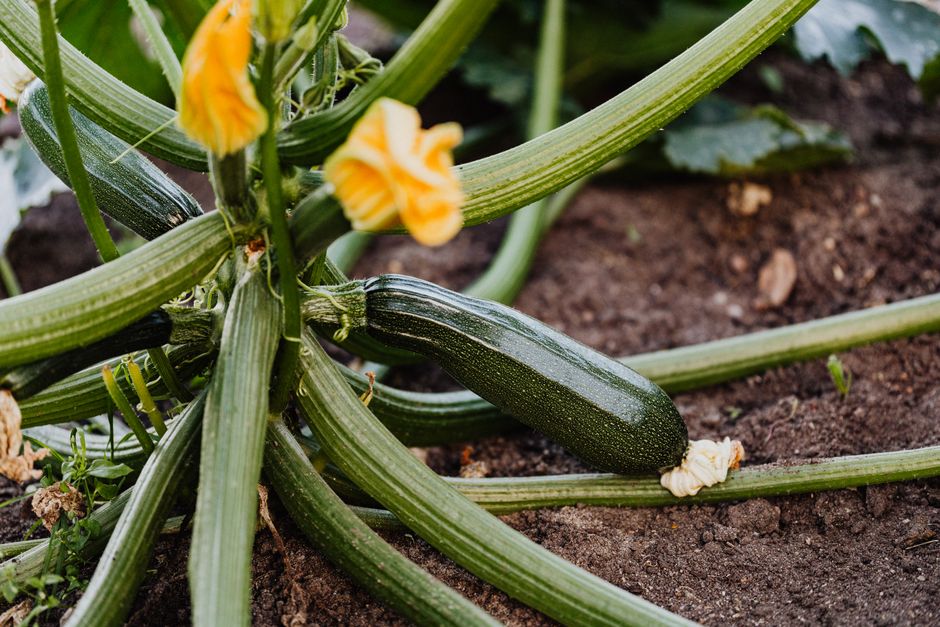
Zucchini Stopped Producing? 4 Reasons and Easy Fixes
Few things are more disappointing than watching a once-thriving pot or grow bag stall out midseason. If your zucchini stopped producing mid-summer, you do not have to throw out the plant just yet. With a few quick adjustments to light, nutrients, and pollination, you can get fresh yellow blossoms turning into tender squash again.
Why Has My Container Zucchini Stopped Producing?
If your zucchini stopped producing, the cause is usually poor pollination, root stress, nutrient exhaustion, or overripe fruit left on the vine. Container plants rely entirely on the small pocket of soil or hydroponic solution you provide. When space, food, or natural pollinators run low, the plant quickly pauses new fruit development to save energy.
Container squash face unique challenges compared to ground gardens. Soil in pots heats up much faster, and heavy watering washes away nutrients quickly. Also, indoor or high balcony setups lack bees, meaning female blossoms drop off unfertilized. Identifying which factor is holding back your crop is the key to turning things around.
Is Poor Pollination Halting Your Zucchini Harvest?
Your squash plant will stop yielding usable fruit if female flowers drop before forming squash, which points directly to a lack of pollination. Zucchini plants produce separate male and female flowers on the same stem. If insects do not transfer pollen from male to female blooms, the immature fruit rots at the tip and falls off.
Indoor growers and urban balcony gardeners run into this issue constantly. Without natural wind movement or pollinators visiting your living room grow lights or high patio, pollination falls entirely on your shoulders. Fortunately, hand pollination takes less than a minute every morning.
How to Hand Pollinate Zucchini Flowers Indoors
To hand pollinate, start by identifying the flowers early in the morning when they open widest. Male flowers sit on long, thin stalks and have a pollen-covered stamen in the center. Female flowers have a mini zucchini right behind the yellow petals and a multi-lobed stigma inside.
Pick a fresh male flower and carefully strip away its bright yellow petals to expose the pollen core. Gently brush the pollen core against the center stigma of an open female flower. Alternatively, you can transfer pollen using a soft artist paintbrush or a cotton swab. Make sure to complete this routine early, because squash blossoms usually close by midday.
Are Your Container Nutrients Depleted?
Zucchini plants are notoriously heavy feeders, and container soil loses its nutrients rapidly under frequent summer waterings. When essential minerals drop too low, the plant stops forming female buds and focuses its remaining energy on leaf survival.
In indoor pot setups and hydroponic buckets, nitrogen and calcium depletion happen faster than expected. Nitrogen fuels big green leaves, while calcium and potassium support strong blossom development and firm fruit structure. If you notice yellowing lower leaves or soft, rotting squash tips, your soil is running low on nutrients. If you grow other heavy-feeding container vegetables, you might also want to learn how to stop tomato blossom end rot in container plants, since calcium management is very similar.
To fix nutrient exhaustion, start feeding your squash every week with a balanced liquid vegetable fertilizer or container-appropriate hydroponic mix. Always read product labels and follow the recommended bottle dosage rather than guessing. Also, take care when applying liquid fertilizers near grow light ballast cords or electric pumps, keeping plug connections elevated and dry to prevent electrical hazards.
Did Leaving Old Fruit on the Stem Stop New Growth?
Leaving oversized, woody zucchini on the plant signals the squash to halt new flower production and focus on seed maturation. Zucchini plants exist to reproduce. Once a single squash reaches giant, seed-filled maturity, the plant assumes its main lifecycle goal is accomplished.
When this happens, female flower development slows down dramatically or stops altogether. You might notice plenty of male blossoms, but zero female flowers forming behind them. The plant puts all its remaining resources into expanding the large fruit on the stem.
To fix this, harvest your zucchini when they are small to medium size, ideally six to eight inches long. Regular harvesting triggers the plant to continuously set fresh blossoms. If you already have a giant squash resting on your container vine, cut it off immediately with clean pruning shears. This frees up immediate energy for fresh flower buds.
What Is the Midseason Pruning Trick for More Zucchini?
The ultimate midseason trick to jumpstart a stalled zucchini plant is aggressive leaf pruning combined with stem cleanup. Over time, large lower leaves become inefficient, block light from lower stems, and trap humid air that encourages powdery mildew. Removing these old leaves signals the plant to send its resources upward into new bloom production.
Pruning also opens up room around the central stem so light from your window or LED setup reaches the inner nodes. Here is how to execute the midseason leaf refresh step by step:
- Inspect the base of the plant and find the oldest, lowest leaves that look yellow, spotted, or tattered.
- Use sharp, sanitized garden scissors to trim off these low leaves right where their stem meets the main stalk.
- Remove any dead blossoms, unfertilized decaying baby fruit, or yellowing side stems.
- Leave the top five to seven healthy, upright green leaves to keep powering photosynthesis.
- Water the container deeply and apply a fresh dose of balanced liquid fertilizer.
After pruning, your potted squash plant will look significantly clearer and lighter. Within five to seven days, you will usually spot fresh stem growth and a new wave of flower buds forming near the center. If you enjoy growing heavy-yielding vegetables in tight indoor spaces, you can also check our guide on how to grow beans indoors for another great continuous crop.
Final Thoughts
When your zucchini stopped producing, it was usually just asking for a quick reset of light, food, and stem room. By hand pollinating morning blooms, pruning away spent lower foliage, and keeping up with container feeding, your potted plant will quickly rebound. Try these quick fixes today and check out more MicroVeg guides to keep your home garden thriving all year.
Frequently Asked Questions
Why are my zucchini flowers falling off without growing fruit?
Unpollinated female flowers naturally rot and drop off the plant. Hand pollinating morning blossoms with a small brush ensures the fruit develops fully.
Should I cut off yellow leaves on my zucchini plant?
Yes, cutting off yellow or damaged lower leaves improves airflow and frees up plant energy for fresh fruit production.
How often should I fertilize potted zucchini?
Container zucchini need consistent feeding every one to two weeks with a balanced liquid vegetable fertilizer according to product label directions.
How long does a container zucchini plant keep producing?
A healthy container zucchini plant will produce continuously for two to three months if harvested regularly and kept properly pruned and fed.
Explore More Plant Care Guides
 Plant Care
Pruning Chrysanthemums for Longer Indoor Blooms
Discover effective pruning techniques for chrysanthemums to ensure more vibrant and continuous blooms in your indoor garden.
 Plant Care
How to Grow Spinach Indoors: Fresh Leaves Year-Round
Learn how to grow fresh spinach indoors all year long, perfect for small spaces and a continuous harvest.
 Plant Care
Indoor Chrysanthemum Care: Avoid This Common Mistake
Bringing chrysanthemums indoors for fall decor is popular, but many home growers make a key mistake that causes these vibrant plants to quickly decline.