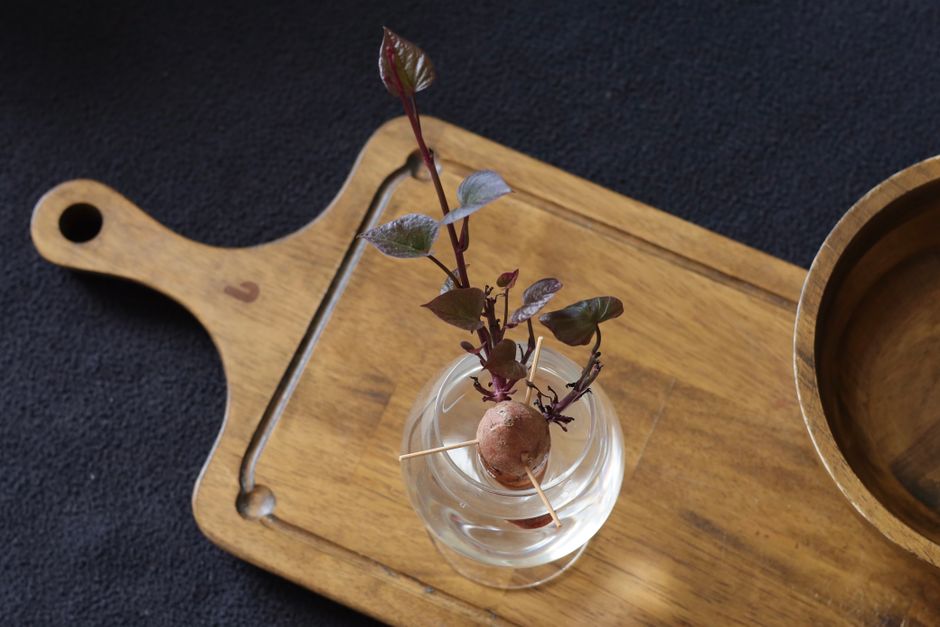
Regrow Vegetables Indoors: Your Easy Kitchen Scraps Garden
Regrowing vegetables indoors is a simple and rewarding way to get more harvests from your kitchen scraps. It involves taking the leftover parts of common vegetables, like the base of lettuce or the root end of celery, and giving them the right conditions to sprout new growth. This budget-friendly method not only reduces food waste but also provides a continuous supply of fresh greens and herbs right from your home, making it perfect for small spaces and home growers looking for an easy gardening project.
Why Regrow Vegetables Indoors?
Regrowing vegetables indoors offers several fantastic benefits for home growers, including reducing food waste, saving money on groceries, and providing fresh produce year-round. It is a wonderfully sustainable practice that lets you turn what would otherwise be discarded into new, edible plants. This makes it an ideal activity for those new to gardening or anyone with limited space.
-
Reduce Food Waste: Instead of tossing vegetable ends, you give them a second life. This helps minimize what goes into your compost or trash.
-
Save Money: You get extra harvests without buying new seeds or plants, stretching your grocery budget further.
-
Fresh Produce at Your Fingertips: Imagine stepping into your kitchen and snipping fresh lettuce or herbs for dinner. It doesn't get much fresher than that.
-
Easy and Educational: It's a low-effort way to get into gardening, perfect for beginners and a fun project for families. You learn about plant growth cycles firsthand.
-
Space-Saving: Many regrowing projects only require a small container of water or a bit of soil, fitting perfectly on a windowsill or counter.
What Vegetables Can You Easily Regrow Indoors?
Many common kitchen vegetables and herbs can be easily regrown indoors using just their scraps, including leafy greens, root vegetables, and a variety of herbs. The key is to select healthy, fresh scraps with a good base or root portion that still has some life in it.
Leafy Greens
Leafy greens are some of the easiest and most popular vegetables to regrow indoors, often producing new leaves quickly.
-
Romaine Lettuce: Cut the bottom 1-2 inches from the head. Place it in a shallow dish of water, cut-side down, making sure the bottom is submerged but the top isn't. New leaves will sprout from the center.
-
Celery: Similar to lettuce, cut the base of a celery stalk. Place it in a shallow bowl with about an inch of water. New shoots will emerge from the center.
-
Bok Choy: Use the base of a bok choy bulb. Submerge it in shallow water, and watch for new leaves to appear.
-
Cabbage: While slower, you can regrow a small cabbage head from its core. Place the core in water, ensuring the bottom is covered.
Root Vegetables
Root vegetables can also be regrown, often yielding new leafy greens from their tops.
-
Scallions/Green Onions: Keep the white bottom part with the roots attached. Place them root-side down in a glass with about an inch of water. They will regrow very quickly. Once they have grown a few inches, you can harvest them or transplant them into soil.
-
Leeks: Like scallions, cut off the white bottom with roots and place it in water.
-
Carrots: While you won't get a new carrot root, you can grow edible carrot greens from the top. Cut about an inch off the top of a carrot and place it cut-side up in a shallow dish of water. The greens are great in salads or as a garnish.
-
Beets/Turnips: Similar to carrots, you can regrow the leafy tops from the cut ends of beets or turnips. These greens are often quite tasty.
Herbs
Many common herbs root easily from cuttings, allowing you to multiply your plants or start new ones. You can even use store-bought herb sprigs. If you're looking to expand your herb collection, check out our guide on How to Start Your Easy Windowsill Herb Garden.
-
Basil: Take a stem cutting that is 4-6 inches long, just below a leaf node. Remove the lower leaves and place the stem in a glass of water. Roots will form in a week or two.
-
Mint: Mint is incredibly easy to regrow from cuttings. Simply place a healthy sprig in water, and roots will appear quickly. We have a dedicated guide on Propagate Mint Indoors if you want to grow more of this versatile herb.
-
Cilantro: Like basil, take a stem cutting with a few leaves, remove the bottom leaves, and place it in water.
-
Rosemary: This herb takes a bit longer, but a woody stem cutting placed in water can root over several weeks.
How Do You Regrow Vegetables from Scraps?
To regrow vegetables from scraps, you generally need just a few simple supplies: the vegetable scraps themselves, a shallow dish or glass, and fresh water, though some plants benefit from being moved to soil. The process is straightforward, making it an excellent project for beginners.
Here are the basic steps for most water-based regrowing:
-
Select Healthy Scraps: Choose fresh, firm vegetable ends or herb cuttings that show no signs of rot or disease. The healthier the scrap, the better its chances of regrowing.
-
Prepare Your Container: Use a shallow bowl, dish, or glass. For wider bases like lettuce or celery, a small plate or saucer works well. For thinner items like scallions or herb cuttings, a narrow glass or jar is perfect.
-
Add Water: Fill your container with an inch or two of fresh tap water.
-
Position the Scraps:
- For leafy greens (lettuce, celery, bok choy, cabbage): Place the cut base directly into the water, ensuring the bottom is submerged but the top rim remains dry to prevent rot.
- For root tops (carrots, beets, turnips): Place them cut-side down into the shallow water, with the top exposed to light.
- For scallions/leeks: Place the root end down in a glass of water, ensuring the roots are covered.
- For herbs: Submerge the lower portion of the stem (where you removed leaves) in water.
-
Find a Sunny Spot: Place your container in a location that receives plenty of bright, indirect sunlight, such as a windowsill. Adequate light is crucial for new growth. If your plants start looking pale or stretched, they might need more light. You can learn more about this in our guide on Fix Leggy Seedlings.
-
Change Water Regularly: Replace the water every one to two days to keep it fresh and prevent mold or bacterial growth. This is critical for healthy root development.
-
Watch for Growth: You should see new roots and shoots appear within a few days to a week, depending on the vegetable.
-
Harvest or Transplant:
- Harvest: For leafy greens and scallions, you can often harvest the outer leaves or snip the greens as they grow, allowing the plant to continue producing.
- Transplant: Once your plant has developed a good root system (usually 1-2 inches long) and significant new top growth, you can transfer it to a small pot filled with moist potting mix. This gives the plant more nutrients and space to grow larger. When transplanting, bury the root ball and the base of the plant, leaving the new growth exposed.
Tips for Success When Regrowing Vegetables Indoors
Achieving consistent success when you regrow vegetables indoors involves providing consistent care, adequate light, and knowing when to transition your plants to soil for longer-term growth. While generally easy, a few simple practices can make a big difference.
-
Start with Organic Produce (If Possible): Organic vegetables are less likely to have been treated with growth inhibitors that might hinder regrowing efforts.
-
Provide Sufficient Light: A sunny windowsill is often enough for initial sprouting. However, for continuous, vigorous growth, especially during darker months, consider supplementing with a small LED grow light. Without enough light, your regrown plants might become weak or leggy.
-
Maintain Water Quality: Always remember to change the water every day or two. Stagnant water can quickly become a breeding ground for bacteria and mold, which can rot your scraps. If you notice any slime or unpleasant odors, change the water immediately and rinse the plant base.
-
Consider Soil for Long-Term Growth: While water propagation is great for starting, most vegetables will thrive and produce more abundantly when moved to soil once a root system has developed. Soil provides essential nutrients and better support for larger plants.
-
Don't Expect Full-Sized Vegetables: Many regrown plants will give you smaller harvests than their original counterparts. The goal is fresh greens and herbs, not necessarily a full head of lettuce or a large carrot root.
-
Practice Good Hygiene: Always wash your regrown vegetables thoroughly before eating, just as you would store-bought produce, to remove any potential residues or dirt. This ensures your fresh harvests are safe to enjoy.
Final Thoughts
Regrowing vegetables indoors is a simple, budget-friendly, and incredibly satisfying way to bring more fresh produce into your life and reduce waste. Whether you're a seasoned gardener or just starting, giving your kitchen scraps a second life is a rewarding project that demonstrates the magic of plant growth firsthand. We hope this guide inspires you to start your own indoor kitchen garden and explore more MicroVeg guides for all your small-space growing needs.
Frequently Asked Questions
How long does it take to regrow vegetables?
Most leafy greens and scallions show new growth within a few days to a week, while herbs and root tops can take a bit longer, usually 1-3 weeks for roots to establish.
Can I regrow vegetables without soil?
Yes, many vegetables can initially regrow in water. However, for sustained growth and larger harvests, transplanting them into soil once roots are established is usually best.
Why are my regrown vegetables rotting?
Rotting is often caused by stagnant water or too much of the plant submerged. Make sure to change the water every 1-2 days and only submerge the very bottom of the scrap.
Do I need a grow light for regrowing vegetables?
A bright windowsill with indirect sunlight is often sufficient for initial growth. For faster or more vigorous results, especially in low-light conditions, a small LED grow light can be beneficial.
Explore More DIY Setups Guides
 DIY Setups
Indoor Mini Greenhouse: Grow More in Small Spaces
An indoor mini greenhouse offers a compact, controlled environment perfect for growing plants, starting seeds, and protecting delicate greens in any small space.
 DIY Setups
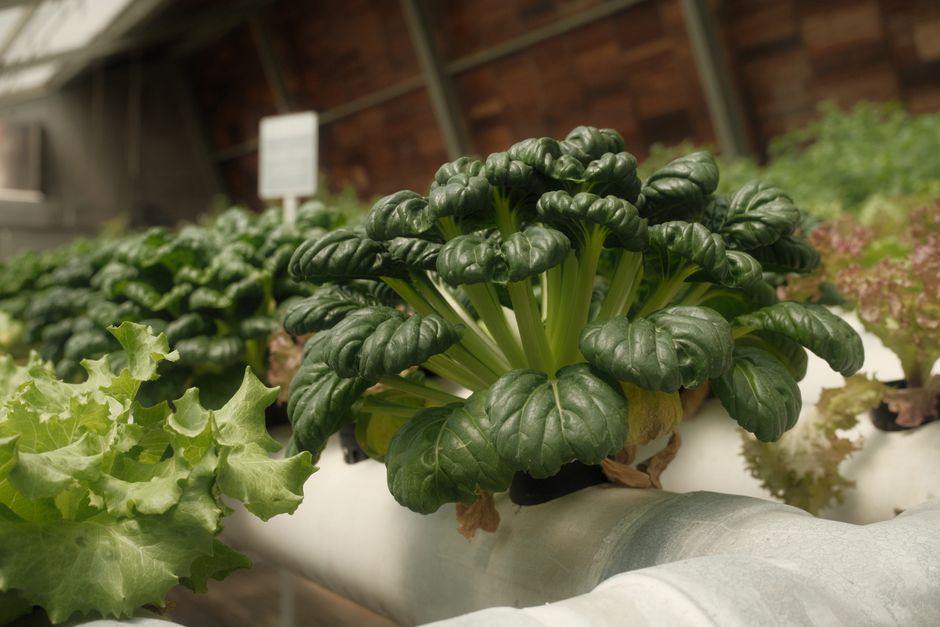
Build a Vertical Hydroponic System: Grow More in Less Space
Maximize your growing potential in tiny spaces by building your own vertical hydroponic system with our simple, budget-friendly guide.
 DIY Setups
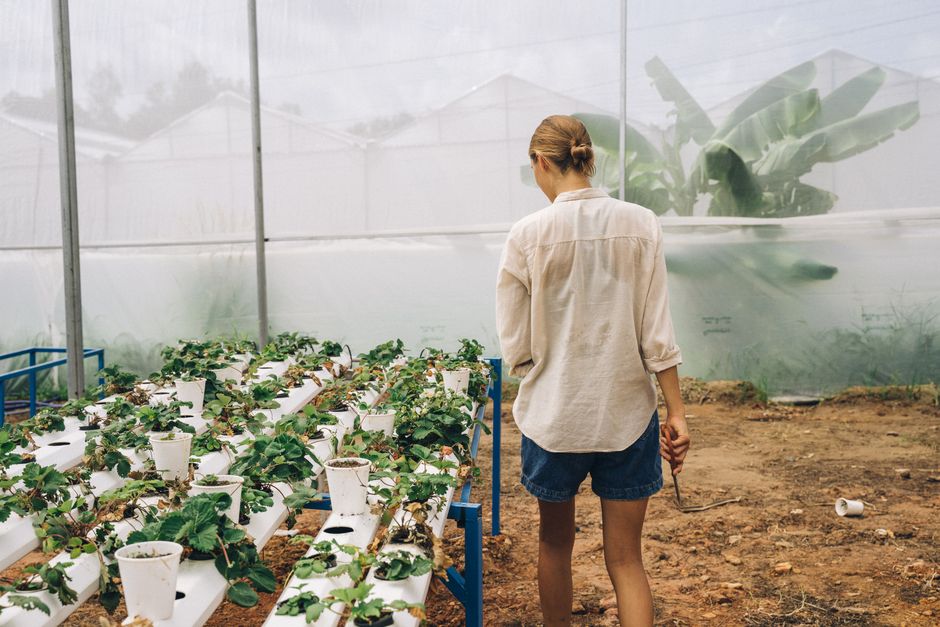
Build a Simple Kratky Hydroponic System for Easy Growing
Discover how to build your very own Kratky hydroponic system, a simple, passive method perfect for beginners and small spaces.