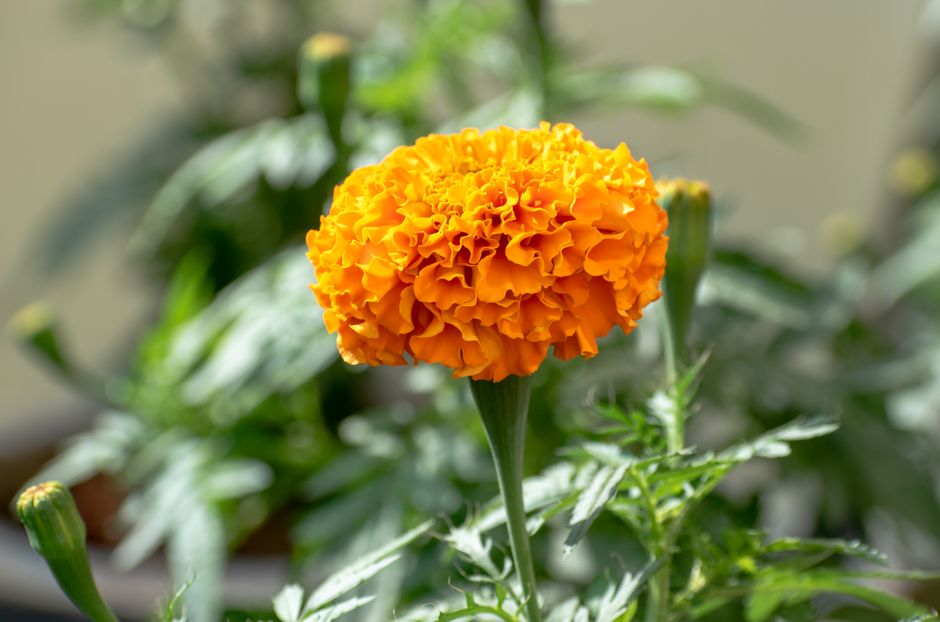
Save Marigold Seeds for Next Year's Indoor Garden
Save Marigold Seeds for Next Year's Indoor Garden
Your vibrant marigolds have brought so much cheer to your indoor space, and now you can enjoy them again next year without buying new seeds. Learning how to save marigold seeds is a rewarding step for any home grower, allowing you to propagate your favorite varieties and grow new plants from your existing collection. It's a simple process that empowers you to extend the life of your most beautiful blooms, ensuring a continuous cycle of color and joy in your home garden.
Why Should You Save Marigold Seeds from Your Indoor Garden?
Saving seeds from your indoor marigolds offers several fantastic benefits, making it a worthwhile effort for any home grower. First, it's incredibly cost-effective, allowing you to multiply your favorite plants without purchasing new seed packets each season. Imagine having an endless supply of your most beloved blooms! You also get to preserve the genetics of marigolds that thrived specifically in your indoor environment, which means they're already adapted to your unique growing conditions. This can lead to even stronger, healthier plants in future growing cycles, as they are essentially "pre-selected" for success in your home. Furthermore, the act of seed saving deepens your connection to the plant lifecycle. There's a profound satisfaction in knowing you've grown a plant from a seed you personally collected, nurtured, and cared for, creating a continuous cycle of life right in your living space. It's a sustainable practice that reduces waste and empowers you as a gardener.
When is the Best Time to Harvest Marigold Seeds?
The best time to harvest marigold seeds is when the flowers have fully faded, dried out, and started to turn brown on the plant. For indoor growers, this usually happens toward the end of their natural growing cycle, often after they’ve flowered for many weeks under your grow lights and have started to show signs of decline. You’re looking for flower heads that are completely spent, feeling brittle and papery to the touch, not fresh, soft, or colorful. The petals will have shriveled and disappeared, leaving behind a dry, somewhat prickly base. Don't rush the process; allowing the seed pods to dry completely on the plant ensures the seeds inside are fully mature and have the best chance of successful germination. Premature harvesting results in immature seeds that won't sprout. Carefully inspect your plants daily as they approach the end of their bloom cycle to catch the perfect moment.
What Do Mature Marigold Seed Pods Look Like?
Mature marigold seed pods are essentially the remnants of the dried-up flower head, appearing as a brown, papery husk. When you gently pull apart a completely dry, brown marigold flower, you'll find a cluster of dark, slender seeds nestled at the base, where the petals once connected to the stem. These seeds often have a distinctive black base and a lighter, often striped or feathery tip, giving them a unique appearance similar to tiny paintbrushes. They will be firm and dry to the touch, not soft, green, or pliable. If the flower head still feels damp, looks green, or resists crumbling easily, the seeds are not yet ready to be harvested and need more time to mature and dry completely on the plant. Patience here is key to collecting viable seeds.
How Do You Prepare Marigold Seeds for Storage?
Once you've carefully harvested your marigold seeds, proper preparation is an essential step to ensure they remain viable and healthy for future planting. Begin by removing any bits of dried petals, leaves, or other plant debris from around the seeds. You want to store only the pure seeds to prevent mold or pests from developing. Next, and this is a critical step for long-term viability, you must thoroughly dry the seeds to prevent any moisture-related issues like mold growth or rot. Spread them out in a single layer on a breathable surface such as a paper plate, a coffee filter, a mesh screen, or a clean sheet of paper. Place them in a cool, dry location away from direct sunlight, which can damage the seeds. Good air circulation is absolutely key during this drying period. Allow them to dry for at least one to two weeks, or even longer if your indoor environment is particularly humid. You can gently turn them every day or so to ensure even drying on all sides. They should feel completely brittle and snap easily, not bend, when fully dry.
What's the Best Way to Store Your Saved Marigold Seeds?
Storing your completely dry marigold seeds correctly will protect them from degradation and keep them viable until you're ready to plant again. An airtight container is best for long-term storage, such as a small glass jar with a tight-fitting lid, a sturdy plastic container, or even a sealed plastic bag designed for food storage. Before sealing, you can place a small packet of silica gel or a pinch of dried rice (secured in a small cloth bag) in with the seeds to absorb any lingering moisture, though this isn't strictly necessary if you're confident they are already thoroughly dry. Clearly label your container with the type of seed, the specific variety if you know it, and the date you collected them. This information will be invaluable when you plan your next indoor garden. Store the container in a cool, dark, and dry location, like a cupboard, a closet shelf, or even a refrigerator if space allows and humidity is controlled. Avoid areas prone to high humidity, temperature fluctuations, or direct sunlight, as these conditions can significantly reduce seed viability. Always remember to keep all electrical timers and pumps away from water spills in your growing area to maintain a safe environment for both you and your seeds, especially when setting up new grow systems. If you've had issues with seeds not germinating in the past, consult our guide on Why Won't My Seeds Germinate? Fix Common Issues for troubleshooting tips.
How to Plant Your Saved Marigold Seeds Next Season?
When you're ready to start new marigolds from your saved seeds, the process is straightforward and incredibly rewarding for indoor growers. Marigolds generally prefer to be started indoors a few weeks before you want to display them or move them to their final containers, giving them a head start. Use a good quality, fine-textured seed-starting mix in small pots, cell trays, or even repurposed small containers with drainage holes. Plant the seeds about 1/4 inch deep and gently cover them with soil. Keep the soil consistently moist but never waterlogged; a spray bottle can help maintain humidity without overwatering. Provide warmth for optimal germination; a heat mat placed under your seed trays can be highly beneficial for consistent soil temperature, encouraging faster sprouting. Once seedlings emerge and develop a few sets of true leaves, they'll be ready for their next stage, which often involves thinning or transplanting to slightly larger pots. For detailed guidance on when to move your young plants, check out our comprehensive guide on When to Transplant Seedlings for Optimal Growth. Your carefully saved marigold seeds will bring new life and cheerful color to your indoor garden for another season!
Final Thoughts
Saving marigold seeds from your indoor plants is a truly fulfilling project that deepens your connection to the natural cycles of growth and renewal right in your home. By following these simple steps for harvesting, thorough drying, and proper storage, you can ensure a steady supply of these cheerful, sun-loving blooms for seasons to come. Keep experimenting with different varieties and enjoy the continuous cycle of life and color in your indoor gardening space. Explore more MicroVeg guides for all your indoor growing adventures and discover new ways to bring nature indoors!
Frequently Asked Questions
Can I save seeds from any marigold variety?
Yes, you can save seeds from most marigold varieties, but seeds from hybrid plants may not grow true to the parent plant's characteristics.
How long do saved marigold seeds remain viable?
When stored correctly in a cool, dark, and dry place, marigold seeds can remain viable for 2-4 years.
Do I need to clean the seeds after drying them?
It's a good idea to remove any remaining plant debris, as this can harbor pests or moisture, which could affect seed viability.
Can I plant marigold seeds directly outdoors?
While possible in warmer climates, for indoor growers, starting them in containers indoors offers better control over germination conditions and earlier blooms.
Explore More Plant Care Guides
 Plant Care
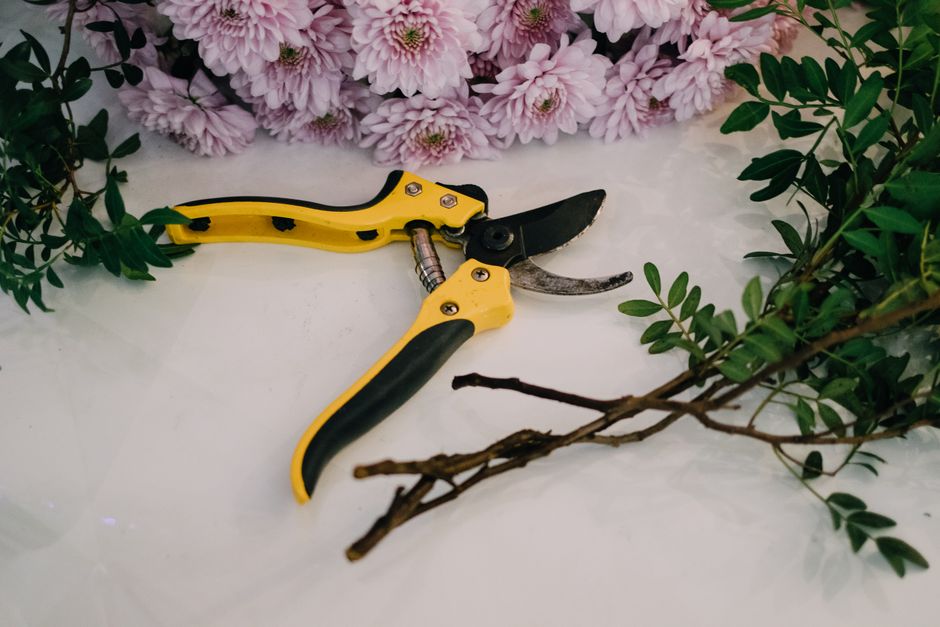
Pruning Chrysanthemums for Longer Indoor Blooms
Discover effective pruning techniques for chrysanthemums to ensure more vibrant and continuous blooms in your indoor garden.
 Plant Care
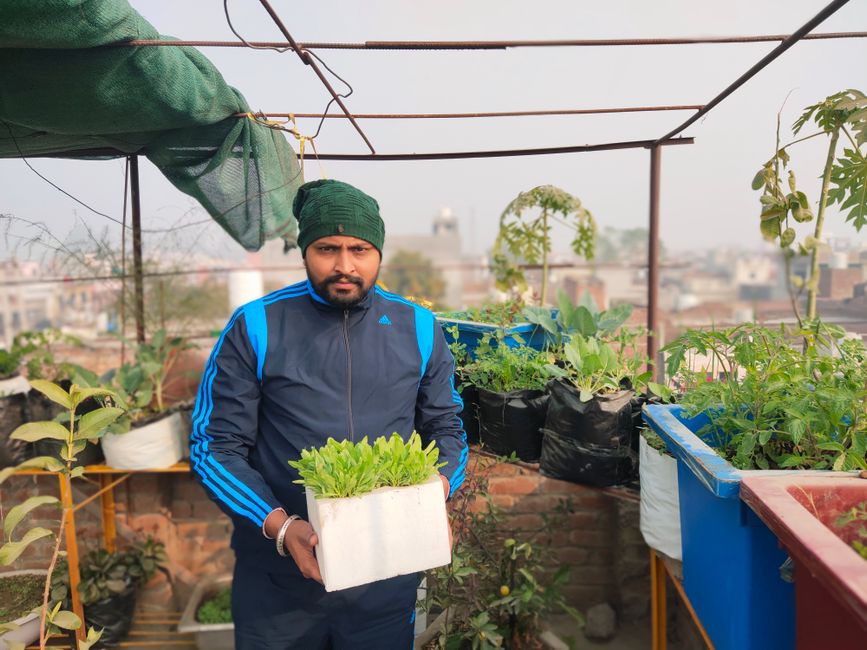
How to Grow Spinach Indoors: Fresh Leaves Year-Round
Learn how to grow fresh spinach indoors all year long, perfect for small spaces and a continuous harvest.
 Plant Care
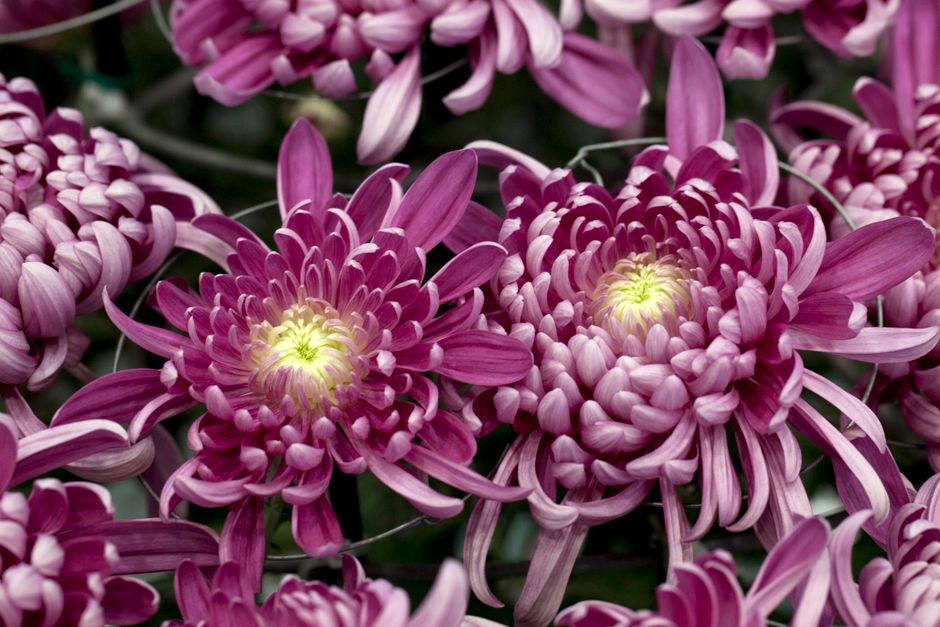
Indoor Chrysanthemum Care: Avoid This Common Mistake
Bringing chrysanthemums indoors for fall decor is popular, but many home growers make a key mistake that causes these vibrant plants to quickly decline.