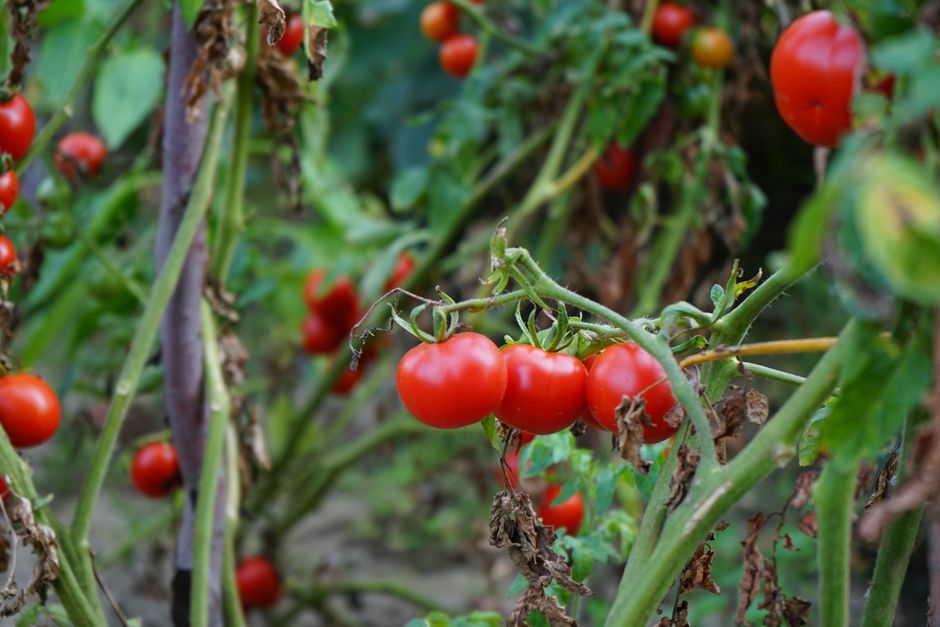
Tomato Plant Disorders: 5 Fixes for Indoor Crops
Growing tomatoes indoors or on a balcony is rewarding, but spotty fruit and weak leaves can ruin your yield fast. Identifying common tomato plant disorders early helps you save your crop before damage spreads. Here is how to fix the five most frequent issues container and hydroponic growers face.
How to Identify Tomato Plant Disorders Like Blossom End Rot
Blossom end rot happens when your plant cannot move enough calcium to developing fruit, causing the bottom of the tomato to turn black and leathery. This issue rarely stems from a total lack of calcium in your soil or hydro reservoir. Instead, it usually comes down to inconsistent watering routines or fluctuating humidity levels.
When growing in containers or buckets, soil dries out much faster than ground soil. If the roots dry out completely and then get soaked, the sudden uptake shift blocks calcium transport. In hydroponic setups, poor air circulation around the canopy can slow down transpiration, which prevents calcium from moving up to the growing fruit.
Key steps to prevent blossom end rot include:
- Maintain consistent soil or hydroponic moisture without extreme wet and dry cycles.
- Ensure adequate room airflow to support steady plant transpiration.
- Verify calcium levels in your fertilizer mix using package guidelines.
To fix this problem, maintain steady moisture levels in your pots. Use an automated drip system or set a daily watering schedule so the substrate stays evenly damp. If you grow hydroponically, ensure your nutrient solution has balanced minerals according to package directions, and run a small fan nearby to promote steady transpiration.
How Airflow Prevents Calcium Blockages
Stagnant air indoors stops leaves from releasing moisture efficiently. When transpiration slows down, essential nutrients like calcium stay trapped in the root zone instead of traveling up into fresh fruit tissues.
Why Are My Hydroponic Tomato Leaves Curling Upward?
Tomato leaf curling usually signals environmental stress like excessive light intensity, low humidity, or root zone issues. When leaves roll inward or upward like small troughs, the plant is trying to reduce its surface area to conserve moisture.
Indoor grow lights placed too close to the canopy frequently cause this reaction. While tomatoes love intense light, LED panels positioned right above top leaves can heat the foliage higher than comfortable room levels. Check the distance between your lights and the foliage, raising your light fixture if the upper leaves look twisted or dry.
Overwatering in container setups can also trigger leaf roll because waterlogged roots cannot take up oxygen. If you recently moved young starts into larger pots, review our guide on how to transplant seedlings indoors so you can avoid damaging delicate root systems that absorb water. Keep grow light power supplies and electrical cords raised off the floor and away from reservoir tanks to prevent water spills from creating safety risks.
How Do You Stop Tomato Fruit Cracking in Container Plants?
Tomato fruit cracking occurs when internal fruit pulp expands faster than the outer skin can stretch, causing deep splits. This sudden pressure build-up almost always traces back to irregular watering schedules or sudden surges in nutrient strength.
Container tomatoes are especially prone to splitting because small pots hold limited water volume. If a plant undergoes a dry spell followed by heavy watering, the roots absorb water rapidly, pumping it straight into ripening fruit. Green fruit may show radial cracks near the stem, while mature tomatoes can split open completely, leaving them vulnerable to soft rots.
Common signs of moisture stress in indoor tomato fruit include:
- Deep radial splits extending vertically from the stem connection.
- Concentric circular rings forming around the top shoulders of the fruit.
- Sudden skin splitting following heavy watering after a dry spell.
To stop cracking, irrigate your containers frequently with smaller amounts of water rather than soaking them after they dry out completely. Applying a top layer of organic cover can stabilize root temperatures and retain moisture, though you should be careful to avoid common errors covered in our article on mulching container plants. If you run a hydroponic system, keep your reservoir levels consistent and avoid sudden spikes in nutrient concentration during fruit set.
Fixing Radial and Concentric Splitting
Radial cracks stretch down the sides from the stem, while concentric cracks form circles around the top of the fruit. Both types stem from sudden moisture surges, so steady irrigation remains your primary line of defense.
Why Are Lower Tomato Leaves Turning Yellow Indoors?
Lower tomato leaves turn yellow when the plant lacks mobile nutrients like nitrogen or when lower foliage fails to receive enough light. As tomatoes grow tall, upper branches block light from reaching bottom leaves, prompting the plant to discard non-productive foliage.
If yellowing starts at the leaf tips and spreads along the veins on older growth, your crop is likely pulling nitrogen from old tissues to feed new growth at the top. In soil pots, this means it is time to feed your plant with a balanced indoor crop fertilizer. In hydroponics, check your reservoir blend to confirm you are providing adequate nitrogen during growth phases.
However, if lower leaves look pale but stay firm, low light penetration is the probable cause. Prune away yellowing bottom leaves that sit near the substrate. Removing spent leaves improves airflow around the stem and directs energy toward healthy clusters higher up the plant.
What Causes Sunscald on Indoor and Balcony Tomatoes?
Sunscald appears as bleached, papery patches on the sides of green or ripening tomatoes exposed to direct high-intensity light or heat. This condition happens when foliage no longer shades the developing fruit, allowing light energy to overheat skin tissue.
Indoor growers often trigger sunscald after heavy pruning or when adjusting powerful LED grow lights. If you clip away too many leafy branches at once, direct light hits tender fruit skin that was previously sheltered. On sunny balconies, intense reflections from glass windows or light-colored walls can heat fruit surfaces past their comfort zone.
Prevent sunscald by practicing moderate pruning rather than stripping away large leaf canopies at once. Leave a protective layer of upper foliage above hanging fruit clusters to act as a natural sunshade. If you use high-output indoor lights, make sure your fixtures sit at the manufacturer's recommended height so heat does not scorch vulnerable fruit surfaces.
Final Thoughts
Managing tomato plant disorders comes down to keeping water levels, nutrient blend, and indoor light exposure steady. By spotting signs like curling leaves, split skins, or soft dark spots early, you can adjust your setup and keep your harvest productive. Want to build a more productive home garden? Read through our other indoor growing guides on MicroVeg to fine-tune your light schedules, plant care, and crop setups.
Frequently Asked Questions
Can tomato plants recover from blossom end rot?
Affected fruit cannot heal, so you should prune off damaged tomatoes immediately. The plant itself will produce healthy new fruit once watering and nutrient levels stabilize.
Should I cut off yellow tomato leaves?
Yes, removing yellow lower leaves helps reduce nutrient waste and improves airflow around the stem. Make clean cuts near the main stalk using sanitized shears.
Why are my indoor tomato flowers falling off without setting fruit?
Tomato blossoms drop when humidity is too high, temperatures fluctuate wildly, or gentle air movement is missing. Shaking flower clusters gently or placing an oscillating fan nearby aids pollen transfer.
How often should container tomatoes be watered indoors?
Water container tomatoes whenever the top inch of soil feels dry to the touch. Indoor pots dry out faster than outdoor garden beds, so checking moisture daily prevents stress.
Explore More Plant Care Guides
 Plant Care
Pruning Chrysanthemums for Longer Indoor Blooms
Discover effective pruning techniques for chrysanthemums to ensure more vibrant and continuous blooms in your indoor garden.
 Plant Care
How to Grow Spinach Indoors: Fresh Leaves Year-Round
Learn how to grow fresh spinach indoors all year long, perfect for small spaces and a continuous harvest.
 Plant Care
Indoor Chrysanthemum Care: Avoid This Common Mistake
Bringing chrysanthemums indoors for fall decor is popular, but many home growers make a key mistake that causes these vibrant plants to quickly decline.