When to Fertilize Seedlings: Easy Indoor Guide
Starting seeds indoors is an exciting way to kick off the growing season, but young sprouts quickly run out of built-in energy. Knowing exactly when to fertilize seedlings keeps tender young plants strong without burning sensitive roots. Feeding too early damages delicate sprouts, while waiting too long starves your crops.
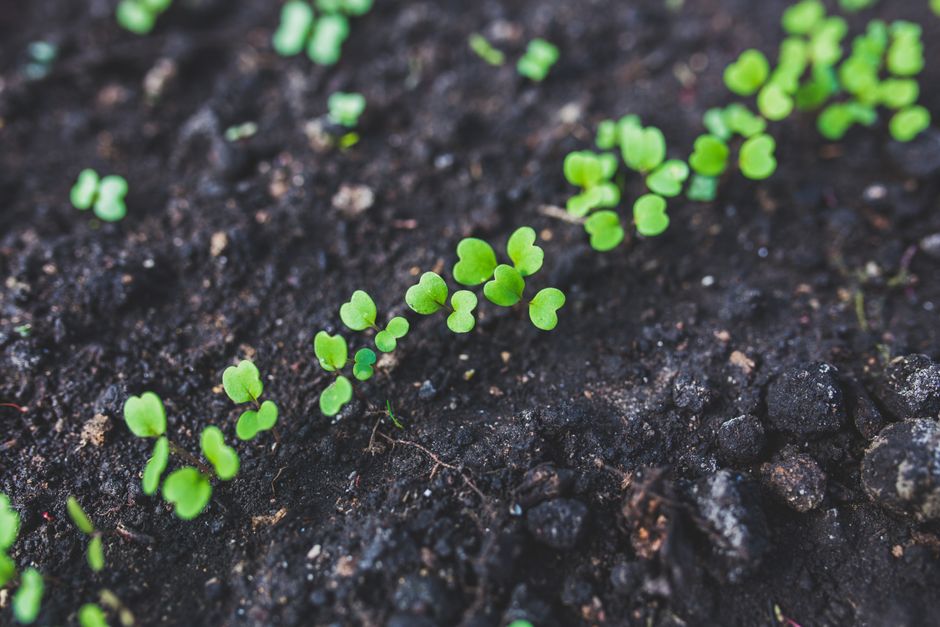
You should know when to fertilize seedlings by watching for their first set of true leaves, which appear right above the smooth seed leaves. Soilless seed starter mixes carry zero extra nutrients, meaning young sprouts require mild liquid plant food as soon as those true leaves expand fully.
How Do You Know When to Fertilize Seedlings?
You know it is time to fertilize seedlings as soon as the plant grows its first set of true leaves. Seedlings emerge with initial seed leaves that store all the energy needed for germination, so additional plant food is unnecessary during the first week or two of growth.
Once those initial seed leaves open, the plant focuses on developing its first real foliage. These new leaves look completely different from the initial smooth pair and mimic the shape of mature plant leaves. Soil starter mixes quickly exhaust their stored nutrients once root growth accelerates.
Waiting for true leaves ensures that the seedling has built a root system capable of absorbing liquid nutrients safely. If you feed plants before this stage, raw minerals can easily burn tender root hairs and stunt growth.
Cotyledons vs True Leaves: Spotting the Difference
Cotyledons are the temporary seed leaves that pop out of the soil first. They usually look smooth, oval, or heart-shaped, regardless of what crop you are growing indoors. Their main job is feeding the emerging stem using energy stored inside the original seed coat.
True leaves grow directly above the cotyledons and show the unique shape, texture, and color of the adult plant. Tomato true leaves look jagged, while basil true leaves appear soft and cupped. When you see two or more true leaves fully formed, your indoor plants are ready for their first weak feeding.
What Is the Best Fertilizer for Indoor Seedlings?
The best fertilizer for indoor seedlings is a balanced liquid organic or water-soluble fertilizer diluted to one-quarter of the recommended strength listed on the bottle label. Liquid formulas distribute evenly through seed trays without clumping or burning tiny roots.
Granular fertilizers release nutrients too slowly and unevenly for small seed flats. Instead, select a gentle water-soluble option such as liquid kelp, fish hydrolysate, or a mild general-purpose indoor plant nutrient blend. These formulas deliver quick nitrogen, phosphorus, and potassium to supporting stems without heavy mineral build-up.
Organic liquid options promote clean root development while helping beneficial soil microbes flourish. If you use synthetic plant nutrients, dilute them extra carefully because concentrated mineral salts easily scorch young roots in small pots.
How Do You Apply Fertilizer to Young Seedlings?
Apply fertilizer to young seedlings by mixing a quarter-strength solution with lukewarm water and pouring it gently into the bottom watering tray. Bottom watering allows roots to pull moisture upward evenly without breaking fragile stems or washing away loose soil.
When feeding indoor crops, always apply nutrients to damp soil rather than completely dry potting mix. Dry roots absorb concentrated minerals too fast, which leads to chemical root shock and wilting foliage.
Safety is equally important in your indoor setup. Always keep liquid fertilizer solutions and watering cans away from electrical cords, grow light timers, and power strips to avoid short circuits or electrical hazards.
Follow these quick steps whenever you feed young indoor crops:
- Check that your seedlings have developed at least one full pair of true leaves before mixing food.
- Mix your chosen liquid fertilizer at 25 percent strength using fresh, room-temperature tap water.
- Water your seed tray from the bottom so the growing medium absorbs the nutrient solution slowly.
- Empty any standing liquid from the tray after twenty minutes to keep seedling roots healthy.
- Repeat this mild feeding schedule once every week or two until plants are ready for larger pots.
What Are the Signs of Over-Fertilizing Seedlings?
The signs of over-fertilizing seedlings include brown or crisp leaf tips, yellow foliage, stunted stem growth, and a visible white crust forming on top of the soil. High concentrations of nutrient salts draw water out of delicate plant tissue, causing severe leaf burn.
If you notice young leaves curling downward or turning crisp around the edges, stop feeding immediately. Check our guide on why seedlings turn yellow to help diagnose light, watering, or feeding issues before permanent damage occurs.
Excessive feeding can also cause weak, leggy stems that collapse under their own weight. Seedlings need small, steady doses of nutrition rather than heavy applications of concentrated plant food.
How to Fix Fertilizer Burn in Seed Trays
Fix fertilizer burn by thoroughly flushing the seed tray soil with plenty of fresh, plain water. Allow the clean water to drain completely out through the bottom holes to wash away excess mineral salts.
Hold off on adding any new fertilizer for at least two weeks while the plants recover and produce new leaf growth. Once plants rebuild strong roots and expand, you can prepare to move them using our helpful advice on when to pot up seedlings into bigger containers with fresh soil.
Final Thoughts
Knowing when to fertilize seedlings protects young root systems while feeding rapid indoor growth. Wait until your sprouts show their first set of true leaves, then apply a quarter-strength liquid food about once a week. Take a look at our other MicroVeg guides to master every step of your indoor growing setup.
Frequently Asked Questions
Can you fertilize seedlings with tap water?
Yes, you can mix seedling fertilizer with tap water as long as the water is left out overnight to let chlorine dissipate. Ensure the water is room temperature so you do not shock delicate roots.
How often should you fertilize indoor seedlings?
Feed your indoor seedlings once every seven to ten days after their first true leaves appear. Use a diluted nutrient solution rather than full strength to maintain steady growth.
Should you fertilize seedlings before transplanting?
Give your seedlings a mild liquid feeding one or two days before transplanting to help them withstand moving stress. Avoid heavy feeding right on transplant day so roots adjust smoothly.
What happens if you do not fertilize seedlings?
If you do not fertilize seedlings grown in soilless starter mix, their growth will stall and their lower leaves will turn pale or yellow. Seed starter soil lacks long-term nutrients, so plants eventually starve without added food.
Explore More Plant Care Guides
 Plant Care
Pruning Chrysanthemums for Longer Indoor Blooms
Discover effective pruning techniques for chrysanthemums to ensure more vibrant and continuous blooms in your indoor garden.
 Plant Care
How to Grow Spinach Indoors: Fresh Leaves Year-Round
Learn how to grow fresh spinach indoors all year long, perfect for small spaces and a continuous harvest.
 Plant Care
Indoor Chrysanthemum Care: Avoid This Common Mistake
Bringing chrysanthemums indoors for fall decor is popular, but many home growers make a key mistake that causes these vibrant plants to quickly decline.