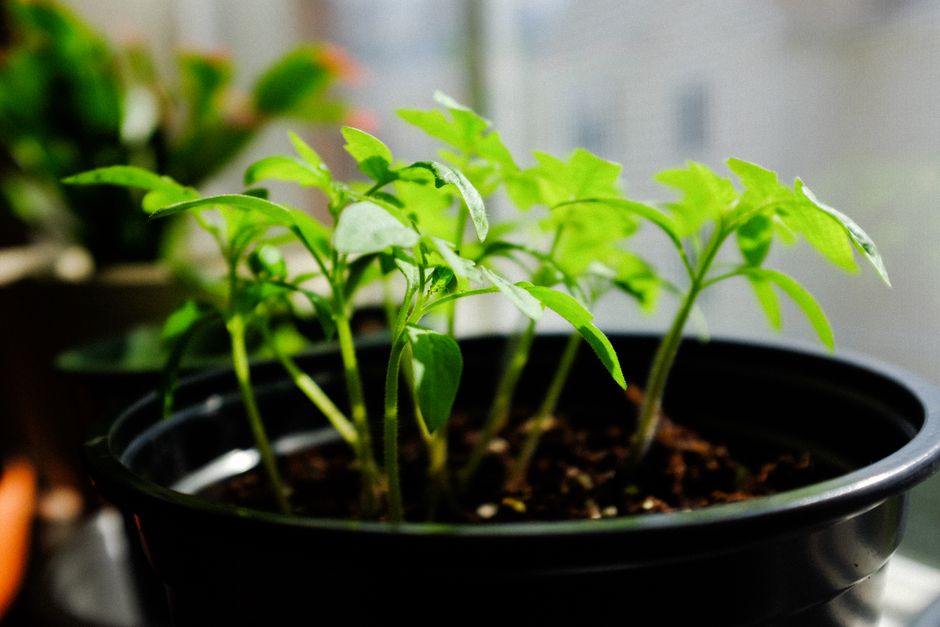
When to Pot Up Seedlings: 5 Clear Signs It's Time
Starting seeds indoors gives your home garden a huge head start, but starter trays only offer limited space. Knowing when to pot up seedlings is one of the most critical steps in keeping your young indoor crops growing strong. Moving your plants into slightly larger containers at the right moment prevents root restriction and keeps growth moving smoothly.
Why Is Potting Up Seedlings Necessary for Healthy Growth?
Potting up seedlings is necessary because tiny seed-starting trays quickly run out of space, nutrients, and moisture as root systems expand. When roots hit the plastic walls of a plug cell, they start circling tightly around the soil ball. This condition causes rootbound growth, which stops a seedling from taking up food and water efficiently.
Moving plants to bigger pots gives roots fresh space to spread downward and outward. A healthy root system builds a larger canopy above ground, which results in thicker stems and faster development. Delaying this step stalls plant growth and leaves young crops vulnerable to stunting.
The Difference Between Potting Up and Final Transplanting
Potting up is an intermediate step between seed germination and moving plants to their final garden bed or large indoor planter. You shift seedlings from small plug cells into medium containers, such as three-inch plastic pots or paper cups. This stepping-stone approach keeps root systems contained in a manageable soil volume while plants mature.
Final transplanting happens much later when the plant is fully established and ready for its permanent home. Skipping the intermediate potting up step often leads to overwatering problems. Small seedlings struggle to drink water from a massive container full of wet soil, which slows down root growth.
When to Pot Up Seedlings: 5 Signs Your Plants Are Ready
You should pot up seedlings when they develop two to three sets of true leaves or when their roots start poking out through the bottom drainage holes. Timing varies depending on the plant species and light levels, but visible physical cues will tell you exactly when your plants need more space.
Look for these five common signs that your indoor seedlings are ready for a bigger home:
- The plant has grown its first true leaves and at least one set of adult leaves.
- White roots are visible growing through the bottom drainage holes of the tray.
- The top leaves of adjacent seedlings overlap and cast shade on each other.
- Soil in the starter cell dries out completely within a single day after watering.
- Stem growth slows down or stalls despite getting plenty of light and water.
The first leaves that emerge from a germinated seed are called cotyledons, which look simple and rounded. The leaves that grow after cotyledons are true leaves, which match the recognizable shape of the mature plant. Once seedlings produce true leaves, their root systems are strong enough to handle repotting. If you planted multiple seeds in a single cell, make sure you learn how to thin seedlings down to one stem per cell before moving them into new pots.
What Container Size Should You Use for Repotting Seedlings?
You should move seedlings into containers that are roughly two to three inches larger in diameter than their current starter cells. Standard three-inch to four-inch individual pots work exceptionally well for most young vegetable and herb seedlings.
Choosing a container that is too large can create severe growth problems for small plants. Large pots hold onto huge amounts of moisture that tiny root systems cannot absorb quickly enough. Soil that stays soggy starves roots of oxygen, which quickly leads to root rot or stalled growth. Keeping container size proportional ensures the fresh soil dries out at a healthy rate between waterings.
Always check that your new pots have adequate drainage holes at the bottom so excess water drains freely. When handling tray lights, heat mats, and watering equipment, keep power cords and electrical connections completely dry to maintain a safe indoor gardening space.
Step-by-Step Guide: How to Pot Up Seedlings Without Root Damage
To pot up seedlings without causing root shock, moisten the soil beforehand, handle the plant gently by its leaves, and press fresh mix lightly around the base. Taking extra care during this process preserves delicate root hairs and prevents stem damage.
Follow these simple steps to move your seedlings into larger pots smoothly:
- Water your seed tray several hours before repotting so the soil ball stays intact.
- Fill your new containers halfway with moist potting soil or seedling potting mix.
- Gently squeeze the flexible plastic sides of the starter cell to loosen the soil mass.
- Lift the seedling carefully by holding its leaves or root ball, never by its fragile main stem.
- Set the plant into the new pot so the root ball sits slightly below the rim.
- Fill in around the sides with soil, gently tapping the pot on a flat surface to settle air pockets.
- Water the newly potted seedling right away to settle the fresh soil around the roots.
Handling Seedlings the Right Way
Stems are extremely fragile and contain the vascular tubes that carry water and nutrients throughout the plant. Crushing a main stem during repotting often kills the seedling outright. Leaves, on the other hand, can easily regrow if one suffers minor damage during handling. Always cup the root ball in your fingers or hold the plant gently by a sturdy leaf.
If your transplanted crops look pale or drop leaves a few days after moving, examine your nutrient schedule and lighting. You can learn how to fix pale foliage by reviewing our tips on why seedlings turn yellow after transplanting.
Post-Repotting Care: Keeping Your Seedlings Strong
After repotting seedlings, place them under steady indoor grow lights and keep the soil evenly moist but never waterlogged. Young roots need a day or two to adapt to their new soil space before they start active top growth again.
Avoid placing newly potted plants under harsh direct sunlight or high heat immediately. Gentle LED lighting overhead helps them recover smoothly without dropping foliage. Wait several days before applying diluted plant food so fresh roots have time to settle without risk of nutrient burn.
Final Thoughts
Learning when to pot up seedlings keeps your root systems expanding without stress or growth delays. By watching for true leaves, checking drainage holes, and choosing proportional container sizes, your indoor garden will thrive all season long. Check out more MicroVeg guides to master every stage of indoor growing!
Frequently Asked Questions
Can you pot up seedlings too early?
Yes, potting up seedlings too early can lead to root rot because tiny roots cannot absorb moisture from a large volume of wet soil. Wait until the seedling has developed its first set of true leaves before repotting.
Should you bury tomato seedling stems when potting up?
Yes, you can bury tomato seedling stems up to their lowest leaves when repotting. Tomato stems grow extra roots along the buried portion, which creates a much stronger root system.
Do seedlings stop growing after potting up?
Seedling top growth may slow down for two to three days after potting up while roots adapt to the new soil. Once the root system establishes, active leaf growth will resume quickly.
What soil mix should you use when potting up seedlings?
Use a lightweight indoor potting mix or a blend containing peat moss, coco coir, and perlite when potting up seedlings. Avoid heavy outdoor topsoil because it holds too much water and compacts easily in containers.
Explore More Plant Care Guides
 Plant Care
Pruning Chrysanthemums for Longer Indoor Blooms
Discover effective pruning techniques for chrysanthemums to ensure more vibrant and continuous blooms in your indoor garden.
 Plant Care
How to Grow Spinach Indoors: Fresh Leaves Year-Round
Learn how to grow fresh spinach indoors all year long, perfect for small spaces and a continuous harvest.
 Plant Care
Indoor Chrysanthemum Care: Avoid This Common Mistake
Bringing chrysanthemums indoors for fall decor is popular, but many home growers make a key mistake that causes these vibrant plants to quickly decline.