Fall Care for Indoor Herbs: Don't Cut Back Too Much!
As the days shorten and a crispness fills the air outside, you might wonder how your indoor herb garden should respond. Knowing the best fall care for indoor herbs is key to keeping them lush and productive. It is tempting to give your plants a big trim, but for many indoor perennials, aggressive pruning in the fall can actually do more harm than good.
Fall care for indoor herbs involves recognizing their natural rhythms even in your controlled environment. It's about preparing them for a period of slower growth, encouraging resilience, and setting them up for a strong rebound in spring. Instead of reaching for the shears, let's explore practical ways to support your small-space herb garden as the seasons change.
Why is Fall Different for Indoor Herbs?
Even though your indoor herbs are shielded from direct outdoor elements, they still react to subtle environmental shifts that come with autumn. Changes in natural light duration and intensity, along with cooler ambient temperatures, signal to your plants that it is time to slow their growth.
This natural slowdown means your herbs will not be as vigorous as they were during the peak summer months. Their metabolic rate decreases, requiring less water and fewer nutrients. Understanding this natural cycle helps you adjust your care routine to support rather than stress your plants.
Should You Prune Your Indoor Herbs in Fall?
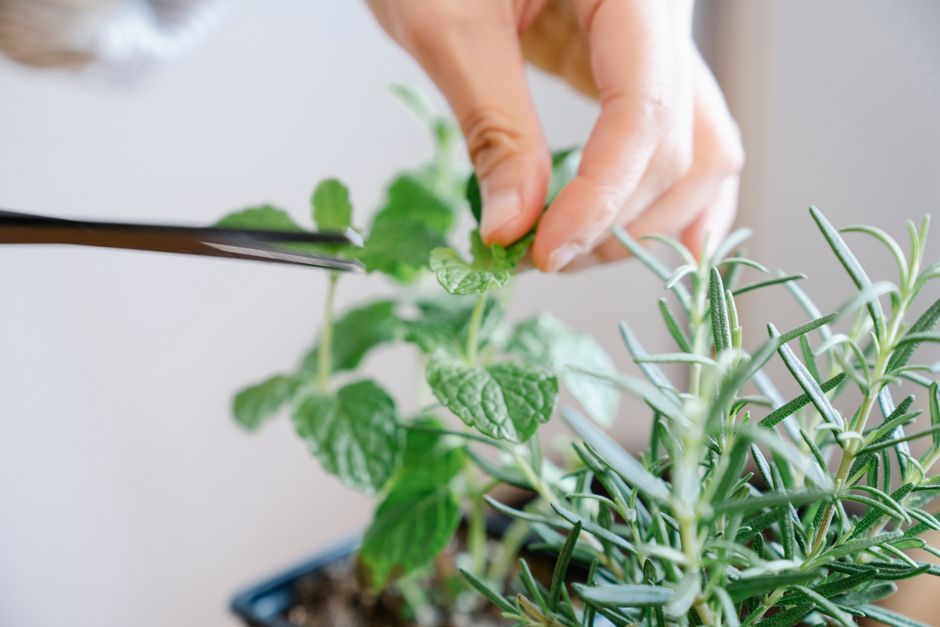
Generally, you should continue light harvesting of your indoor herbs in the fall, but avoid heavy, aggressive pruning. Removing too much foliage can shock the plant and leave it vulnerable during a period when it naturally wants to conserve energy.
Focus on taking just what you need for cooking or removing any yellowing or diseased leaves. This type of light, maintenance pruning helps air circulation and prevents potential pest issues without overtaxing the plant. Think of it as tidying up, not a drastic haircut.
When to Prune and When to Wait
For most indoor perennial plant tips, light, consistent harvesting is beneficial year-round. If you are growing herbs like basil, mint, or oregano, snipping off a few sprigs for dinner is perfectly fine. This encourages bushier growth and prevents them from getting leggy. However, avoid cutting back more than a third of the plant's total foliage in a single session, especially as fall progresses.
If your goal is to shape the plant or dramatically reduce its size, it is usually better to wait until late winter or early spring, just before a new growth spurt begins. This allows the plant to put its energy into recovery when conditions are more favorable for active growth.
What to Do Instead of Heavy Pruning This Fall
Instead of aggressive pruning, focus on these four strategies to support your indoor herbs through the fall and into winter. These methods promote plant health, sustainability, and provide opportunities for expanding your garden.
-
Let Some Go to Seed (Strategically)
Allowing a few of your herb plants to flower and go to seed can be a rewarding part of small space herb gardening. While not all indoor herbs produce viable seeds, many can. This process signals the plant to complete its life cycle naturally, and you can harvest these seeds to start new plants next season.
Collect the dried seed heads carefully once they are fully mature. Store them in a cool, dry, dark place until you are ready to sow. This is an excellent way to ensure a continuous supply of your favorite herbs.
-
Plan for Propagation
Fall is an excellent time to propagate many indoor herbs through cuttings. Instead of discarding healthy trimmings, turn them into new plants. This is particularly effective for plants like mint, rosemary, basil, and many others.
To propagate: Take 4-6 inch cuttings from healthy, non-flowering stems. Remove the leaves from the bottom two inches. You can root these cuttings in water or a best seed starting mix indoors. For hydroponic herb propagation, place the cuttings directly into your system, ensuring the node is submerged in nutrient solution. Remember to always keep electrical timers and pumps away from water spills to ensure safety.
-
Appreciate Natural Growth
Embrace the natural appearance of your indoor herbs as their growth slows. Not every plant needs to look perfectly manicured year-round. Allowing them to have a more natural form can reduce stress and conserve energy. This is part of the overwintering herbs indoors process, letting them rest.
Sometimes, the beauty lies in the plant's resilience and its ability to adapt to changing conditions. A slightly less dense herb plant in fall is a sign of its natural response to the season, not necessarily a problem.
-
Consider Division or Repotting
For mature, bushy indoor herbs that have become root-bound, fall can be a good time for division or repotting. This rejuvenates the plant and gives it fresh space to grow. Gently remove the plant from its container and inspect the roots.
If the roots are circling tightly, you can carefully separate the plant into smaller sections (division) and pot them individually, or simply move the entire plant to a slightly larger pot with fresh growing medium. This gives the roots room to expand and prevents nutrient depletion.
Optimizing Your Indoor Environment for Fall & Winter
As part of your fall care for indoor herbs, making a few adjustments to their environment can make a big difference. These tweaks help your plants stay healthy and productive, even with less natural light.
-
Light: Natural light diminishes in fall. Supplement with LED grow lights set on a timer for 10-12 hours a day. Check the light manufacturer's coverage chart to ensure your plants get adequate light without being scorched. Learn more about light cycles to help prevent why indoor plant leaves yellowing.
-
Nutrients: For hydroponic setups, you might slightly reduce the nutrient strength. For potted herbs, decrease the frequency of fertilizing. Follow the dosage on your nutrient bottle, but consider giving a slightly weaker solution or feeding less often. Regularly check your hydroponics pH to ensure nutrient availability remains optimal.
-
Watering: As growth slows, plants use less water. Always check the moisture level of your growing medium before watering. For hydroponic systems, monitor reservoir levels but expect less frequent top-offs.
-
Temperature & Humidity: Aim for consistent temperatures between 65-75°F (18-24°C). Avoid placing plants near drafty windows or heating vents. Maintain moderate humidity, especially if indoor air becomes very dry from heating.
-
Pest Watch: Slower growth periods can sometimes make plants more susceptible to pests. Regularly inspect your plants for any signs of common indoor pests like aphids, spider mites, or fungus gnats. Early detection makes control much easier.
Final Thoughts
Caring for your indoor herbs in the fall is about working with nature, not against it. By adjusting your routine to focus on gentle pruning, strategic propagation, and environmental optimization, you set your plants up for success. Embracing these fall care for indoor herbs strategies will ensure your small-space garden remains a vibrant source of fresh flavor through the colder months. Explore more MicroVeg guides for year-round indoor gardening success!
Frequently Asked Questions
Do indoor herbs go dormant in fall?
While indoor herbs typically do not experience full dormancy like outdoor plants, their growth significantly slows down in response to reduced light and cooler temperatures during fall and winter.
Can I take herb cuttings in fall?
Yes, fall is an excellent time to take cuttings from healthy indoor herbs for propagation. This allows new plants to establish roots indoors before spring.
How often should I water indoor herbs in winter?
Reduce your watering frequency for indoor herbs in winter as their growth slows and they use less water. Always check the top inch of soil or growing medium for dryness before watering again.
What light cycle do indoor herbs need in fall?
Indoor herbs generally thrive with 10-12 hours of light per day in fall and winter. You may need to supplement natural light with LED grow lights to maintain consistent light duration.
Explore More Plant Care Guides
 Plant Care
Pruning Chrysanthemums for Longer Indoor Blooms
Discover effective pruning techniques for chrysanthemums to ensure more vibrant and continuous blooms in your indoor garden.
 Plant Care
How to Grow Spinach Indoors: Fresh Leaves Year-Round
Learn how to grow fresh spinach indoors all year long, perfect for small spaces and a continuous harvest.
 Plant Care
Indoor Chrysanthemum Care: Avoid This Common Mistake
Bringing chrysanthemums indoors for fall decor is popular, but many home growers make a key mistake that causes these vibrant plants to quickly decline.