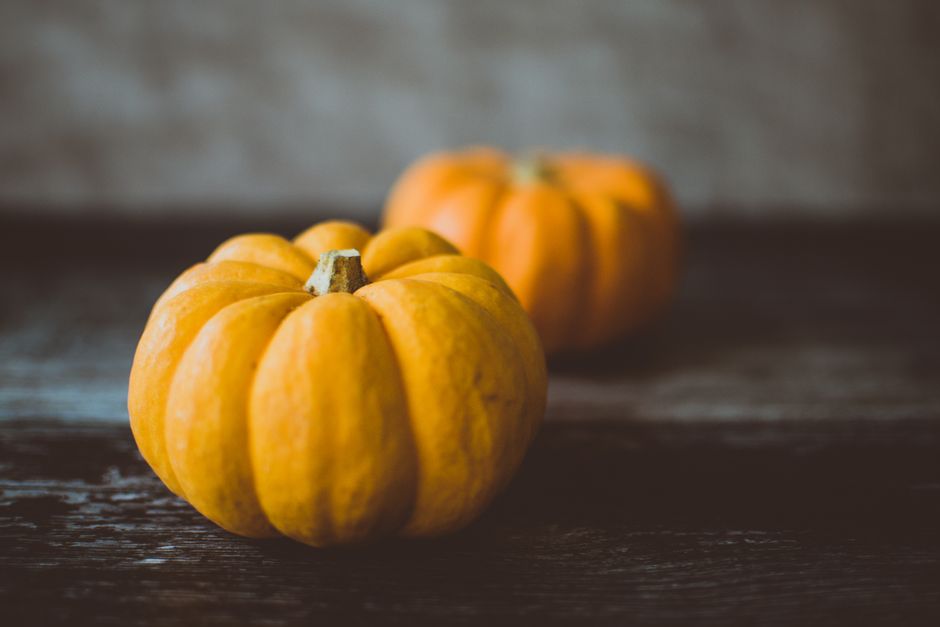
Grow Pumpkins Indoors: Your Guide to Small-Space Harvests
The idea of a sprawling pumpkin patch might seem far removed from your cozy indoor garden, but with a few smart choices, you can absolutely grow pumpkins indoors. This guide will walk you through transforming your small space into a mini pumpkin haven, proving that autumn's favorite squash isn't just for fields. Growing pumpkins indoors involves selecting compact varieties, providing ample light and nutrients, and managing their unique vining habits to yield delightful decorative or even edible fruits.
Why Grow Pumpkins Indoors?
Growing pumpkins indoors offers a unique way to enjoy fresh produce or festive decor regardless of outdoor space or climate. It's a rewarding project that allows you to control environmental factors like light and temperature, leading to healthier plants and predictable harvests.
For many home growers, outdoor space is limited. Balconies, patios, or even sunny windowsills can become productive spots for growing compact pumpkin varieties. Indoor growing also shields your plants from harsh weather, uninvited pests, and common soil-borne diseases, giving you a greater chance of success from seed to harvest. Plus, there's immense satisfaction in nurturing a plant from a tiny seed to a full-sized pumpkin right inside your home.
Choosing the Right Pumpkin Varieties for Indoor Spaces
Selecting the correct pumpkin variety is the most critical step for successful indoor growing. Forget the giant carving pumpkins; you need dwarf, miniature, or bush varieties that thrive in containers and confined spaces.
Look for varieties specifically bred for compact growth, often labeled as "mini," "bush," or "pie" pumpkins. These types produce smaller vines and fruits, making them ideal for managing in an indoor environment. Some popular options include 'Jack Be Little', 'Baby Boo', 'Munchkin', and 'Small Sugar'. These varieties typically mature quickly and don't require acres of space to produce. Always check the seed packet for mature plant size and days to harvest to ensure it fits your indoor setup.
Key Characteristics to Look For:
- **Compact Vine Growth:** Choose bush varieties or those with shorter vines to prevent them from taking over your space.
- **Small Fruit Size:** Miniature pumpkins are easier for the plant to support indoors and fit better in your living area.
- **Faster Maturation:** Varieties with shorter days to maturity mean you'll see your harvest sooner, which is great for indoor cycles.
Setting Up Your Indoor Pumpkin Garden
A successful indoor pumpkin setup requires careful planning, focusing on light, growing medium, and proper support. Providing these elements from the start will give your pumpkin plants the best chance to thrive.
Start with a sturdy container, at least 5-gallon size, with good drainage holes. Larger containers offer more room for root development and soil moisture retention, which is important for thirsty pumpkin plants. For growing hydroponically, a deep water culture (DWC) or drip system can work well, provided it can support the plant's size and weight. Remember to keep electrical timers and pumps away from water spills to prevent hazards.
Light and Location:
Pumpkins are sun-loving plants, needing at least 6-8 hours of direct light daily. If you don't have a very sunny south-facing window, high-quality LED grow lights are essential. Choose full-spectrum lights designed for fruiting plants and follow the light manufacturer's coverage chart for proper placement and intensity. Place your container in a spot where it won't be easily disturbed and where you can manage its growing vines.
Growing Medium and Nutrients:
For container growing, use a high-quality potting mix that drains well but retains moisture. A mix with some compost will provide initial nutrients. For hydroponic systems, use a sterile, inert medium like coco coir, rockwool, or perlite. You'll need a balanced liquid nutrient solution formulated for fruiting vegetables. Follow the dosage instructions on your nutrient bottle carefully, as over-fertilizing can harm your plants. Regular testing of your nutrient solution's pH and EC (electrical conductivity) is crucial for hydroponic success.
Caring for Your Indoor Pumpkin Plants
Consistent care, including watering, feeding, and pest management, is vital for healthy indoor pumpkin plants. These vining plants have specific needs to produce fruit successfully.
Water your container-grown pumpkins regularly, ensuring the soil stays consistently moist but not waterlogged. Allow the top inch or two of soil to dry slightly between waterings. Hydroponic systems will handle watering automatically, but you'll need to monitor reservoir levels daily. As the plants grow, they will become heavy feeders, so continue with your chosen nutrient regimen, adjusting as the plant progresses from vegetative growth to flowering and fruiting stages.
Pollination and Support:
Since you won't have bees indoors, manual pollination is necessary. Once male and female flowers appear (female flowers have a tiny pumpkin swelling at their base), use a small, soft paintbrush or cotton swab to transfer pollen from a male flower to the stigma of a female flower. Do this in the morning when pollen is most viable. As the vines grow, provide support with a sturdy trellis, stakes, or netting. For fruits, you might need slings made from old pantyhose or fabric strips to support the developing pumpkins and prevent them from breaking the vine. You can find more tips on fast-growing indoor fall vegetables that also benefit from good support.
Common Indoor Pumpkin Growing Challenges:
Keep an eye out for common indoor pests like aphids, spider mites, or whiteflies. Inspect your plants regularly, especially the undersides of leaves. Address infestations quickly with insecticidal soap or neem oil. Monitor for signs of nutrient deficiencies, such as yellowing leaves, and adjust your feeding schedule or nutrient solution accordingly. Proper air circulation, possibly with a small fan, can help prevent fungal issues like powdery mildew, which thrives in stagnant, humid conditions.
Harvesting and Enjoying Your Indoor Pumpkins
The moment your indoor pumpkins are ready for harvest is incredibly satisfying after weeks of care. Knowing when to pick them ensures the best quality and storage life.
Your pumpkins are ready to harvest when they reach their full color, the rind is hard, and the stem begins to dry and shrivel. A good test is to press your thumbnail into the skin; if it resists puncture, it's likely ripe. Use sharp pruners or a knife to cut the pumpkin from the vine, leaving a few inches of stem attached. This helps prevent rot and extends storage life. Don't carry the pumpkin by its stem, as it can break off.
After harvesting, you can cure your pumpkins for about a week in a warm, dry spot. This hardens the skin further, enhancing flavor and storage. Once cured, your indoor-grown pumpkins can be used for decorative purposes, in delicious autumn recipes, or even saved for their seeds. Enjoy the fruits of your indoor gardening labor!
Final Thoughts
Growing pumpkins indoors is a delightful and achievable project for any home gardener looking to add a touch of fall charm to their space. By choosing the right varieties, setting up your environment thoughtfully, and providing consistent care, you can enjoy your own small-space pumpkin harvest. Explore more ways to expand your indoor gardening adventures with our other MicroVeg guides.
Frequently Asked Questions
Can all pumpkin varieties be grown indoors?
No, only dwarf, miniature, or bush pumpkin varieties are suitable for indoor growing due to their compact size and shorter vines.
How much light do indoor pumpkins need?
Indoor pumpkins require at least 6-8 hours of direct light daily, often necessitating the use of full-spectrum LED grow lights.
Do I need to hand-pollinate indoor pumpkin flowers?
Yes, manual pollination is essential for indoor pumpkins since natural pollinators like bees are not present in your home environment.
What size container is best for indoor pumpkins?
A sturdy container of at least 5-gallon capacity with good drainage is recommended for growing pumpkins indoors.
Explore More Plant Care Guides
 Plant Care
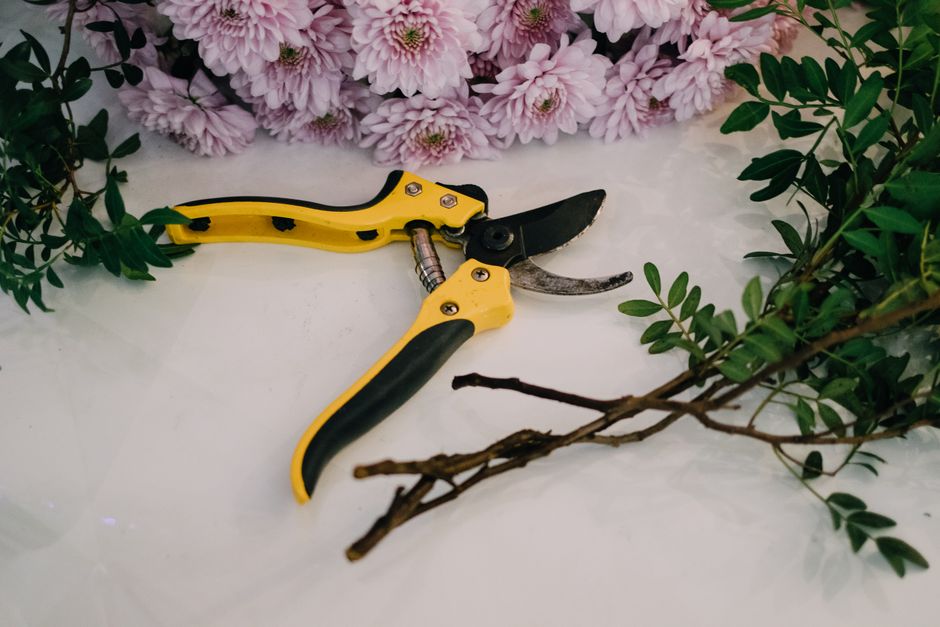
Pruning Chrysanthemums for Longer Indoor Blooms
Discover effective pruning techniques for chrysanthemums to ensure more vibrant and continuous blooms in your indoor garden.
 Plant Care
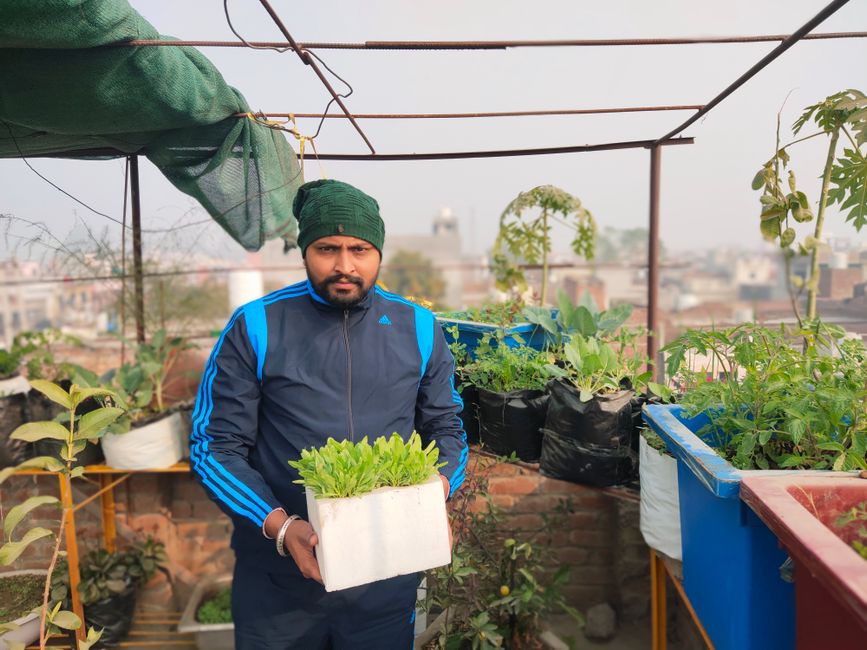
How to Grow Spinach Indoors: Fresh Leaves Year-Round
Learn how to grow fresh spinach indoors all year long, perfect for small spaces and a continuous harvest.
 Plant Care
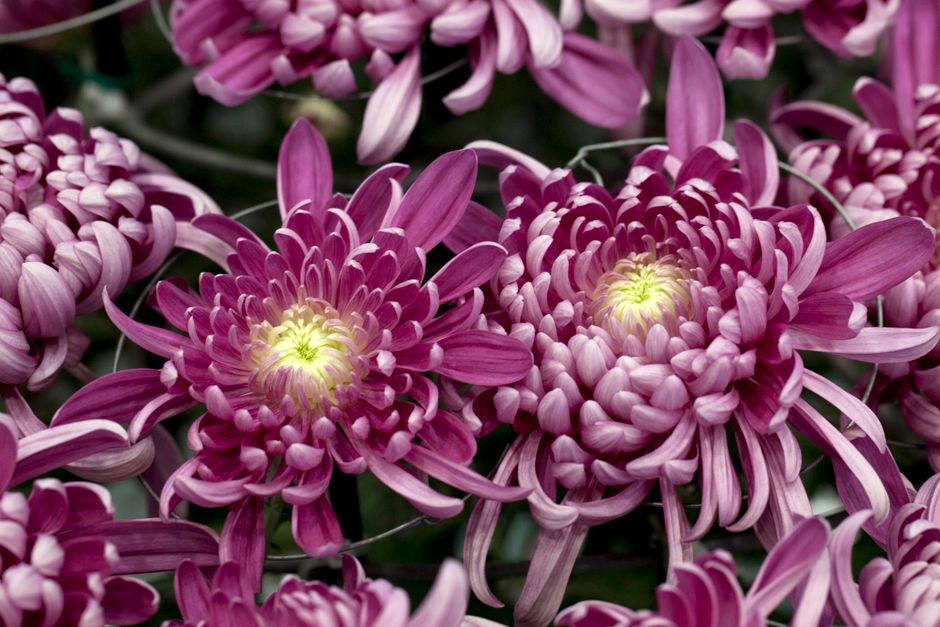
Indoor Chrysanthemum Care: Avoid This Common Mistake
Bringing chrysanthemums indoors for fall decor is popular, but many home growers make a key mistake that causes these vibrant plants to quickly decline.