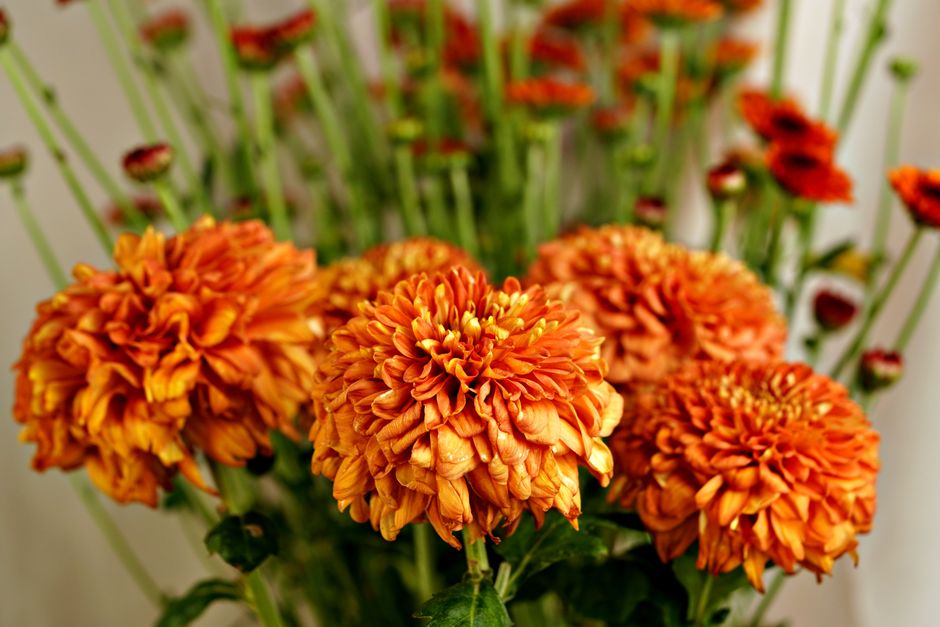
Perennial Fall Flowers: Rebloom Indoors!
Tired of fleeting fall decor that quickly fades? Imagine vibrant blooms that greet you every autumn, right in your living space. We're talking about perennial fall flowers, plants that come back year after year, offering a sustainable and beautiful alternative to seasonal disposables. These resilient beauties are perfect for indoor container gardening, bringing lasting color and life to your home without constant replanting. They offer the joy of continuous blooms with a little care.
Why Choose Perennial Fall Flowers for Your Indoor Garden?
Choosing perennial fall flowers for your indoor garden means enjoying consistent beauty and a more sustainable approach to home decor. Unlike annuals that complete their life cycle in one season, perennials return year after year, saving you time and money on replanting. They provide a reliable burst of color when other plants might be winding down.
These flowers are also an excellent choice for small space gardening, including balconies, patios, or even a sunny windowsill. You can cultivate a diverse range of flowering plants in containers, moving them indoors as temperatures drop. This flexibility makes them ideal for home growers who want to extend their growing season and enjoy blooms through colder months.
Top Perennial Fall Flowers That Thrive Indoors or in Containers
Many beautiful flowers can transition from an outdoor container to an indoor setting, or simply begin their life as an indoor plant, offering long-lasting blooms indoors. These plants provide rich fall colors and often require minimal specialized care once established.
- Garden Mums (Chrysanthemums): While often treated as annuals, garden mums are true perennials if given the right conditions. For indoor growing, choose smaller, compact varieties. After their initial bloom, you can prune them back and provide bright light to encourage reblooming in subsequent seasons. They appreciate a cool, well-lit spot.
- Asters: These cheerful, daisy-like flowers come in shades of purple, pink, and white. Asters are fantastic for containers and can be brought indoors before the first hard frost. Provide them with plenty of bright, indirect light and keep their soil consistently moist. Their vibrant colors make them a standout addition to any indoor fall display.
- Cyclamen: Known for their elegant, upswept petals and heart-shaped leaves, Cyclamen are classic indoor fall flowers. They prefer cooler temperatures and bright, indirect light. Cyclamen go through a dormancy period after blooming, so reduce watering during this time and allow them to rest before new growth emerges.
- Kalanchoe: A succulent known for its bright, long-lasting flowers, Kalanchoe is an ideal choice for indoor container gardening. It thrives in bright, indirect light and tolerates drier conditions, making it relatively low-maintenance. Kalanchoe blooms can last for weeks, offering continuous color through the fall and winter.
- Pansies and Violas: While often grown as cool-season annuals, pansies and violas can sometimes overwinter in protected containers or even rebloom indoors in ideal conditions. They prefer cooler temperatures and bright light. Their cheerful "faces" add a whimsical touch to any indoor garden setup.
Caring for Your Perennial Fall Flowers Indoors
Proper care is essential to ensure your perennial fall flowers not only survive but also rebloom beautifully indoors. Providing the right environment will keep them healthy and vibrant throughout the colder months.
Most indoor fall flowers thrive with bright, indirect light for at least 6-8 hours daily. A south or east-facing window is often ideal. If natural light is scarce, consider supplementing with LED grow lights. These can make a huge difference, especially during shorter winter days. You can learn more about boosting growth in low light by checking out our guide: Boost Indoor Plant Growth in Low Light: MicroVeg Guide.
Watering should be consistent but careful. Check the soil moisture by sticking your finger about an inch or two deep. Water thoroughly when the top layer feels dry, allowing excess water to drain away completely. Never let your plants sit in standing water, as this can lead to root rot. When working with indoor plants and electrical equipment like timers or pumps, always keep wires and connections away from water spills to ensure safety.
Feeding your plants with the right nutrients supports healthy growth and encourages reblooming. Use a balanced liquid fertilizer formulated for flowering plants during their active growing and blooming periods. Always follow the dosage instructions on your specific nutrient bottle to avoid over-fertilizing, which can harm your plants. For hydroponic setups, ensure your nutrient solution is regularly checked and changed according to your system's needs.
How to Encourage Reblooming Indoors
To encourage your perennial fall flowers to rebloom, providing a period of rest and specific care is often necessary. Many flowering plants benefit from a short "dark period" or reduced light intensity to set new buds. For example, some mums and Kalanchoe respond well to shorter days, mimicking late fall conditions.
After a bloom cycle finishes, deadhead spent flowers promptly. This redirects the plant's energy from seed production back into creating new blooms. Pruning back leggy growth can also stimulate bushier, more productive plants. Maintain consistent environmental conditions, avoiding sudden temperature fluctuations that can stress your plants.
Troubleshooting Common Issues with Indoor Fall Flowers
Even with the best care, you might encounter some common challenges when growing perennial fall flowers indoors. Addressing these issues promptly can help your plants recover and continue to thrive.
One common problem is yellowing leaves, which can indicate either overwatering or underwatering. Check the soil moisture to determine the cause. If the soil is soggy, reduce watering. If it's bone dry, increase it. Yellow leaves can also be a sign of nutrient deficiency, so ensure your feeding schedule is appropriate.
Pests like spider mites, aphids, or whiteflies can sometimes find their way onto indoor plants. Inspect your plants regularly, especially the undersides of leaves. If you spot pests, gently wipe them off with a damp cloth or use an insecticidal soap specifically labeled for indoor plants. Isolate affected plants to prevent pests from spreading to your other indoor garden plants.
A lack of blooms, despite healthy foliage, can be frustrating. This often points to insufficient light. Ensure your plants are receiving enough bright, indirect light, or supplement with a grow light. Temperature can also play a role; some plants require a cooler period to initiate flowering. Research the specific needs of your plant variety for optimal bloom cycles.
Final Thoughts
Bringing perennial fall flowers into your home offers a rewarding way to enjoy lasting beauty and color through the seasons. With a bit of attention to light, water, and nutrients, you can cultivate a vibrant indoor garden that reblooms year after year. Explore the many possibilities for your small space and discover the joy of continuous blooms. We invite you to explore more MicroVeg guides for all your indoor gardening needs!
Frequently Asked Questions
Can all fall flowers be grown indoors?
No, many fall flowers need outdoor conditions to thrive, but several varieties adapt very well to container growing and can flourish indoors with proper care.
How often should I water my indoor fall flowers?
Water your plants when the top inch or two of soil feels dry to the touch, making sure to let excess water drain completely to prevent root rot.
Do perennial flowers need special fertilizer indoors?
Yes, a balanced liquid fertilizer formulated for flowering plants is best, applied according to the manufacturer's instructions during their active growth and blooming phases.
What kind of light do indoor fall flowers need to rebloom?
Most indoor fall flowers require bright, indirect light for at least 6-8 hours daily, and supplemental LED grow lights can significantly aid reblooming, especially in winter.
Explore More Plant Care Guides
 Plant Care
Pruning Chrysanthemums for Longer Indoor Blooms
Discover effective pruning techniques for chrysanthemums to ensure more vibrant and continuous blooms in your indoor garden.
 Plant Care
How to Grow Spinach Indoors: Fresh Leaves Year-Round
Learn how to grow fresh spinach indoors all year long, perfect for small spaces and a continuous harvest.
 Plant Care
Indoor Chrysanthemum Care: Avoid This Common Mistake
Bringing chrysanthemums indoors for fall decor is popular, but many home growers make a key mistake that causes these vibrant plants to quickly decline.